



Federal prosecutors in Minnesota have formally charged 15 individuals with obstructing and impeding federal immigration agents during a large-scale enforcement operation conducted earlier this year. The charges, filed in U.S. District Court, stem from a series of confrontations that occurred as officers executed administrative warrants, marking a significant escalation in legal consequences for those interfering with federal law enforcement activities.
Background of the Enforcement Action
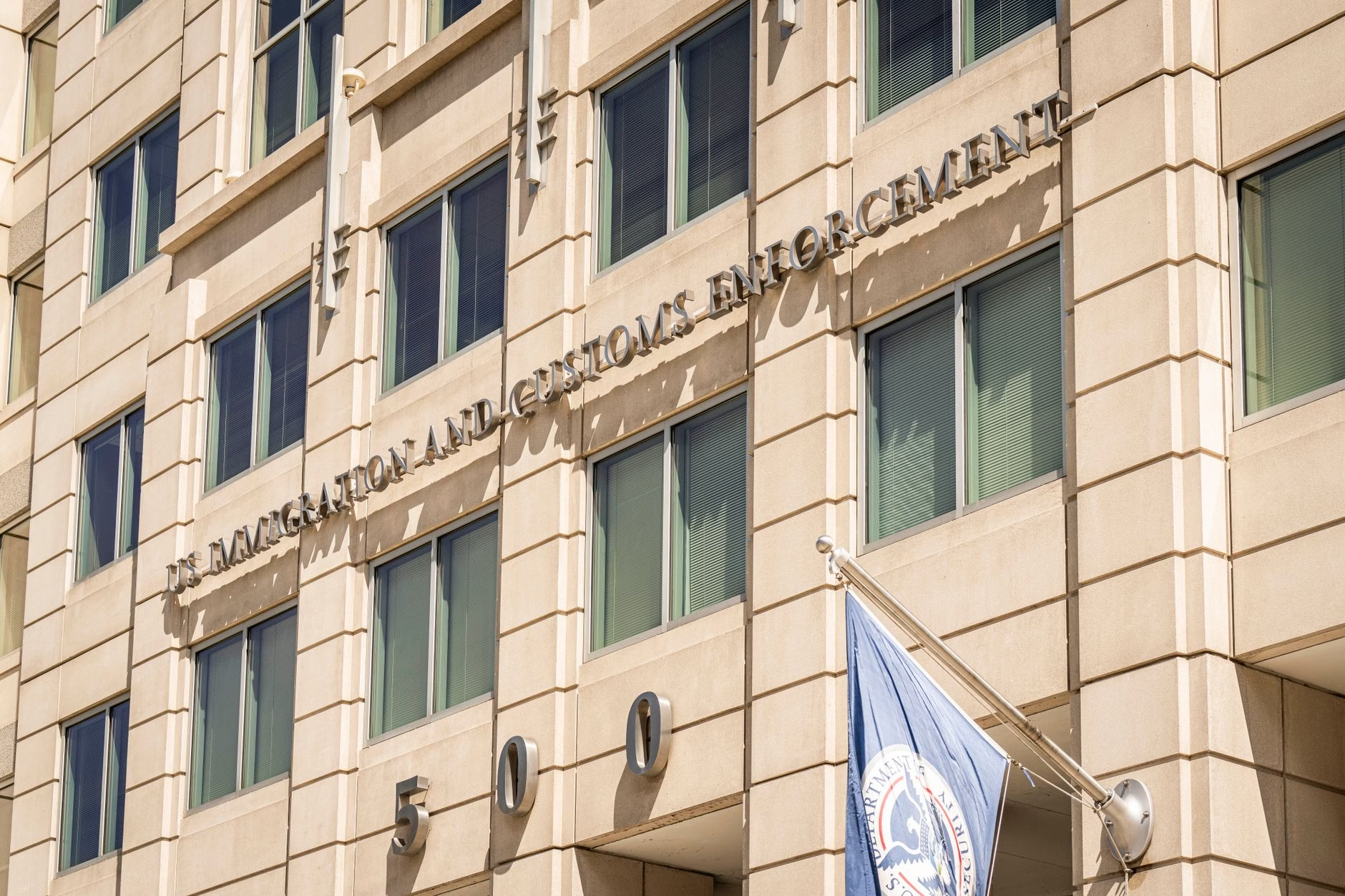
The incident occurred during a surge of immigration enforcement activity in the Twin Cities metropolitan area, a region that has seen increased federal presence in recent months. Immigration and Customs Enforcement (ICE) officials conducted the operation as part of a broader federal effort to locate and process individuals with outstanding deportation orders or those suspected of violating immigration statutes.
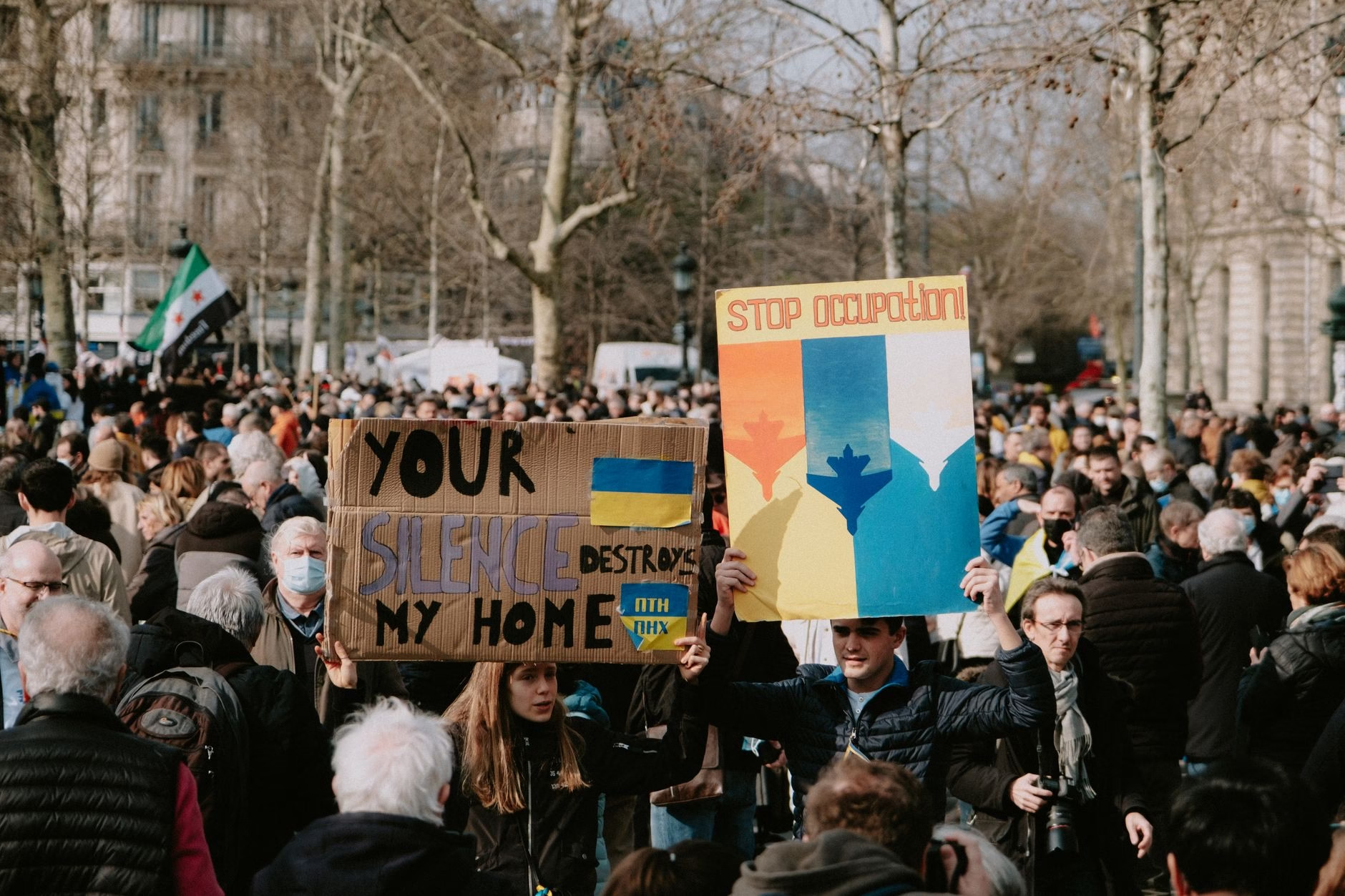
Historically, federal enforcement actions in urban centers often spark friction between law enforcement and community activists. This particular operation drew significant local attention, leading to spontaneous protests that quickly obstructed the movement of federal vehicles and the ability of agents to secure the perimeter of the targeted locations.
The Nature of the Charges
The criminal complaints detail specific allegations of physical obstruction, including blocking official vehicles and interfering with the transport of detainees. Prosecutors allege that the 15 defendants acted in a coordinated manner to prevent agents from performing their lawful duties, thereby creating what federal officials described as a hazardous environment for both law enforcement and the public.
Legal experts note that charging 15 individuals simultaneously suggests a concerted effort by the Department of Justice to deter future interference. Under federal law, obstructing an officer during the performance of official duties carries substantial penalties, including potential prison time and significant fines, depending on the severity of the obstruction and the presence of any physical altercations.
Legal and Expert Perspectives
Civil liberties advocates have expressed concern regarding the scope of these charges, arguing that they may infringe upon the rights of citizens to engage in peaceful assembly and protest. Conversely, representatives from federal law enforcement unions maintain that the safety of officers is paramount and that illegal interference cannot be tolerated under the guise of political protest.
Data from the Transactional Records Access Clearinghouse (TRAC) indicates that prosecutions for interference with federal agents remain relatively infrequent but have seen a slight uptick in jurisdictions with high levels of civil unrest. The outcome of these cases will likely serve as a legal benchmark for how courts distinguish between protected speech and criminal obstruction in the context of federal enforcement operations.
Future Implications and Developments
These developments signal a shift toward more aggressive federal prosecution of individuals who intervene in immigration enforcement operations. As these cases proceed through the court system, legal analysts will be watching for potential motions to dismiss based on First Amendment protections, which could set a precedent for future enforcement operations nationwide.
Observers should monitor upcoming court filings for details on potential plea agreements or trial dates, which will likely reveal the strength of the government’s evidence. The broader industry impact remains to be seen, but the current legal climate suggests that federal agencies will continue to prioritize the prosecution of those who obstruct their operations as they navigate the ongoing complexities of immigration policy and public compliance.


















Leave a Reply