


Diplomatic and Strategic Shifts
Recent statements from high-ranking American officials suggest a potential evolution in Washington’s approach to foreign policy regarding the Middle East. Observers have noted subtle adjustments in how diplomatic and security terms are framed, specifically concerning nuclear capabilities and regional stability.
Nuclear Enrichment Demands
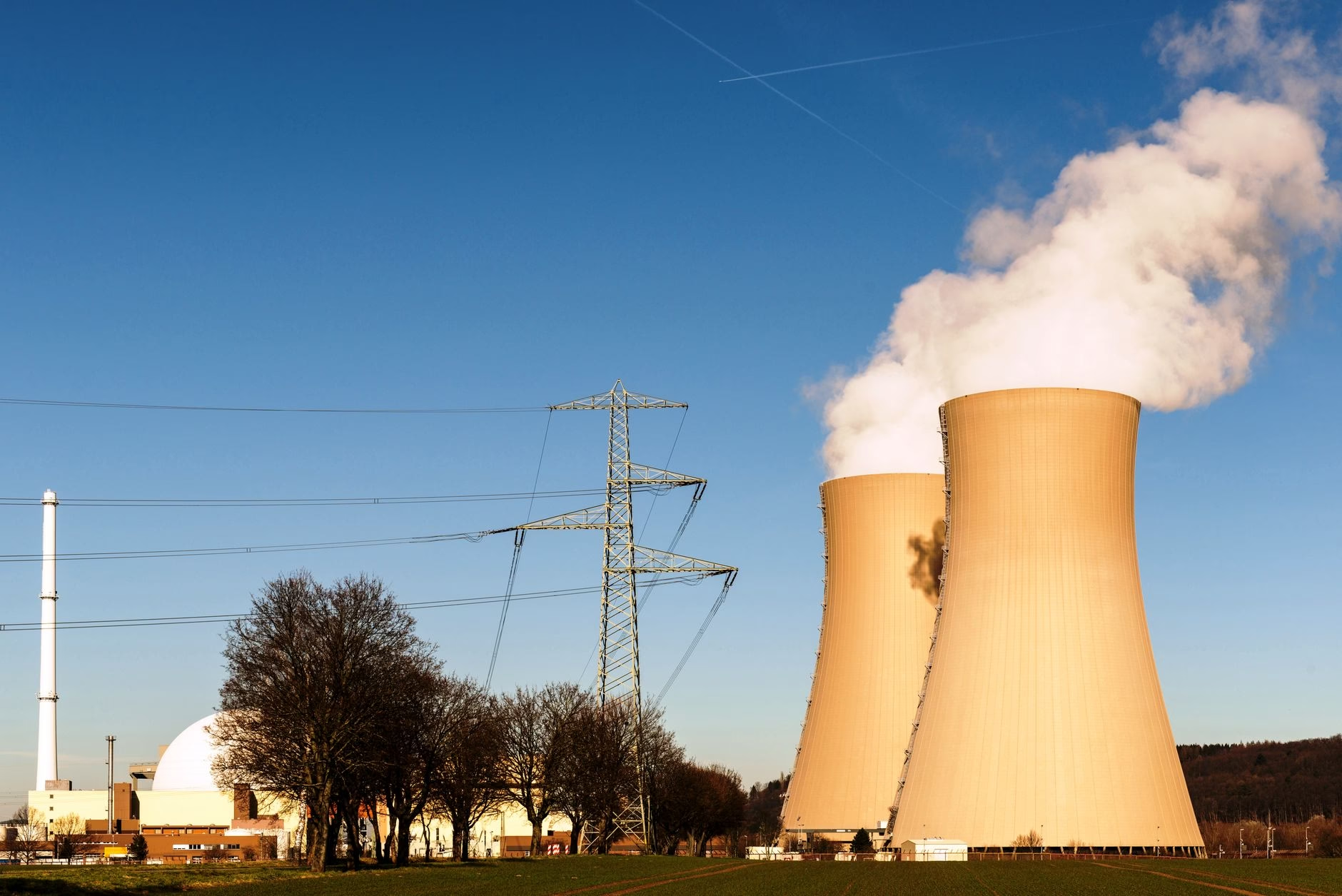
Key political figures have emphasized that any meaningful resolution to ongoing hostilities will require substantial steps regarding nuclear enrichment capacity. While previous stances maintained absolute zero-enrichment conditions, recent commentary indicates a possible willingness to evaluate tangible actions rather than rigid adherence to past ultimatums.
Maritime Security Concerns
Simultaneously, administration officials have raised alarms about the security of vital shipping lanes. Assessments indicate that local authorities in Tehran may no longer exercise full oversight of critical maritime corridors, specifically the Strait of Hormuz. This loss of maritime authority presents escalating risks for global commerce and international energy supplies.
Broader Geopolitical Implications
The intersection of nuclear policy discussions and maritime security challenges underscores a complex landscape for international diplomacy. As policymakers weigh strategic options, the balance between enforcing non-proliferation and securing critical trade routes remains a central focus of foreign affairs discussions.






















Leave a Reply