


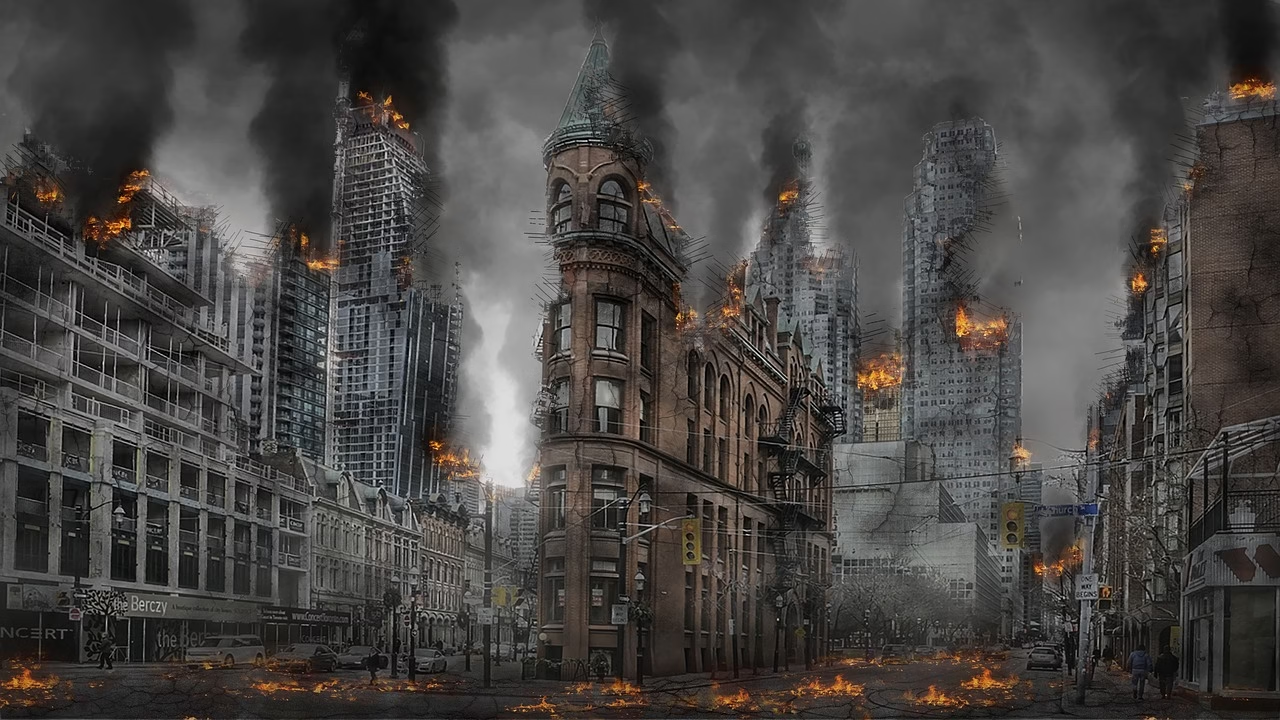
Dozens of people have been killed in southern Lebanon following an intensified series of Israeli airstrikes and shelling that began late Tuesday and continued into Wednesday. The escalation marks a significant increase in hostilities along the Israel-Lebanon border, raising fears of a wider regional conflict.
Rising Tensions and Previous Clashes
The current surge in violence follows months of cross-border exchanges between Israel and Hezbollah, the Lebanese militant group. These skirmishes have been ongoing since the October 7th attacks by Hamas on Israel and the subsequent war in Gaza. While Hezbollah has largely targeted military installations in northern Israel, Israeli strikes have increasingly hit deeper into Lebanese territory, causing civilian casualties and displacement.
Previous escalations have led to widespread destruction and forced tens of thousands of residents on both sides of the border to evacuate their homes. International bodies have repeatedly called for de-escalation, warning of the devastating humanitarian consequences should the conflict widen.
Intensified Israeli Offensive
The latest Israeli strikes reportedly targeted various locations across southern Lebanon, including residential areas and infrastructure. Reports from Lebanese state media and Hezbollah’s Al-Manar television described widespread destruction and a significant loss of life. The Israeli military stated that its forces carried out strikes against Hezbollah military infrastructure in response to rocket fire launched from Lebanon into Israel.
Witnesses in southern Lebanon described scenes of chaos and destruction, with emergency services struggling to reach affected areas. The intensity and scale of the recent attacks have raised particular alarm among humanitarian organizations operating in the region.
Hezbollah’s Response and Regional Concerns
Hezbollah has vowed retaliation for the strikes, raising concerns that the group might launch more significant attacks against Israel. The group has a substantial arsenal and a history of engaging Israeli forces. Any major escalation from Hezbollah could draw Israel into a full-scale war, with potentially catastrophic consequences for both countries and the wider Middle East.
The United States and other international powers have expressed deep concern over the rising tensions. Diplomatic efforts are reportedly underway to prevent further escalation, but the situation remains highly volatile. The fear is that the conflict could spill over, drawing in other regional actors and further destabilizing an already fragile region.
Humanitarian Impact and Displacement
The intensified strikes have exacerbated an already dire humanitarian situation in southern Lebanon. Thousands have been displaced, seeking refuge in safer areas further north. Access to essential services like healthcare and clean water has been severely disrupted in the affected regions.
According to the United Nations, the ongoing hostilities have led to the displacement of over 150,000 people in Lebanon since October. The increased intensity of the strikes puts a greater strain on host communities and international aid organizations struggling to provide relief.
Looking Ahead: A Precarious Balance
The coming days will be critical in determining whether the current escalation can be contained or if it will spiral into a broader conflict. International observers are closely monitoring the rhetoric and actions of both Israel and Hezbollah. The ability of diplomatic channels to de-escalate the situation will be paramount. The potential for miscalculation remains high, and the humanitarian cost continues to mount with each passing day of intensified hostilities.
















Leave a Reply