


Shifting Rhetoric in Washington
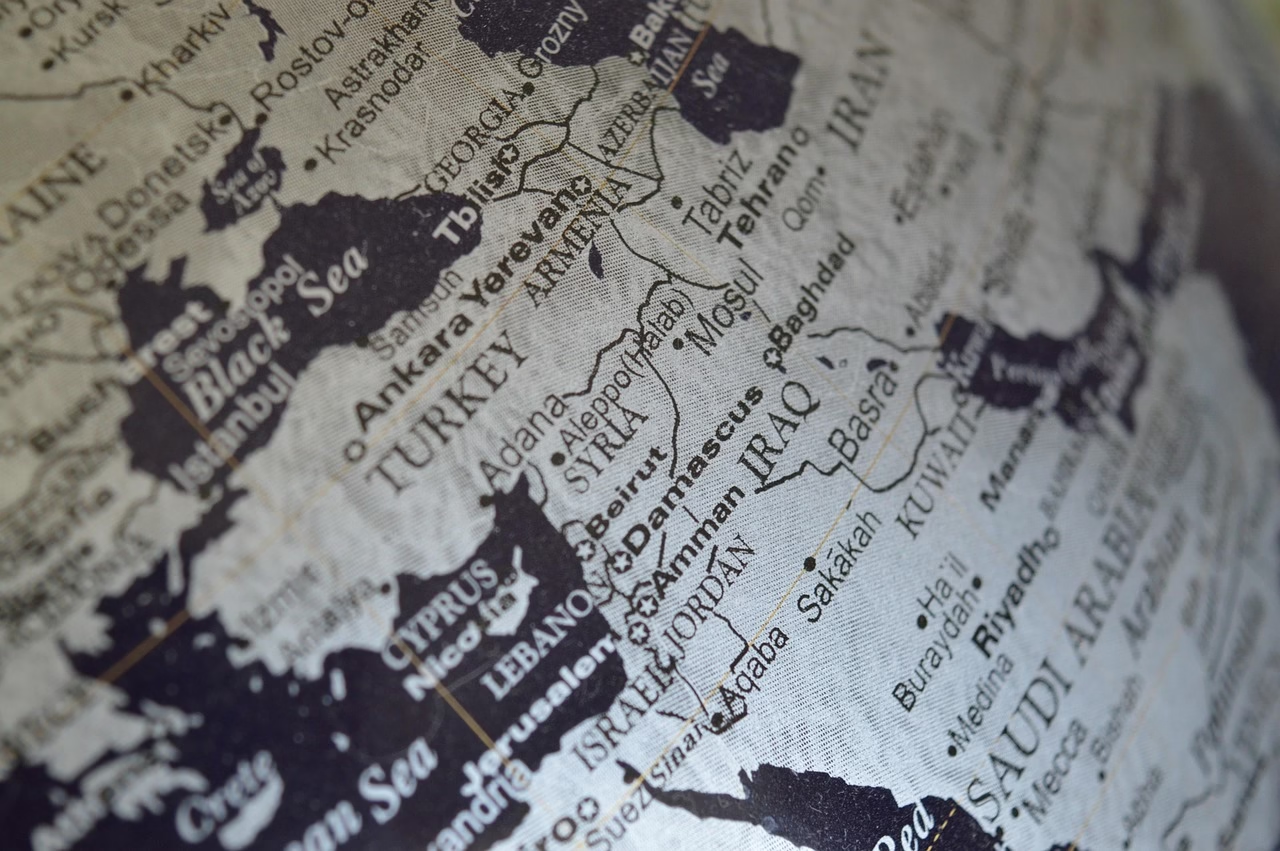
Former President Donald Trump has repeatedly claimed in recent weeks that his administration is on the verge of securing a landmark diplomatic deal with Iran, despite a total absence of formal negotiations or verifiable progress. These assertions come as regional hostilities in the Middle East intensify, creating a stark disconnect between the former president’s public messaging and the escalating reality on the ground.
The Context of Iranian Relations
The relationship between the United States and Iran has remained fraught since the 2018 withdrawal from the Joint Comprehensive Plan of Action (JCPOA), often referred to as the Iran Nuclear Deal. Under the ‘maximum pressure’ campaign, the U.S. imposed sweeping economic sanctions designed to force Tehran back to the negotiating table. Analysts note that while these measures significantly impacted the Iranian economy, they failed to curb Iran’s regional military activities or its nuclear enrichment program.
Contradictions in Diplomatic Strategy
Trump’s recent declarations regarding a pending agreement have surprised foreign policy experts, who point to a lack of back-channel communication or third-party mediation. The former president has frequently toggled between threats of military intervention and optimistic promises of a new, ‘better’ deal. This rhetorical volatility has complicated the efforts of international observers attempting to gauge the actual state of U.S.-Iran relations.
Escalation and Regional Impact
Recent weeks have seen an uptick in drone strikes and maritime harassment linked to Iranian-backed proxies in the Persian Gulf. According to data from the Center for Strategic and International Studies (CSIS), the frequency of regional skirmishes has increased by nearly 15% since the start of the current quarter. Military analysts argue that the absence of a concrete diplomatic framework leaves a power vacuum that regional actors are actively exploiting.
Expert Perspectives
Foreign policy analysts emphasize that diplomatic breakthroughs require rigorous, quiet preparation that is currently absent. Dr. Elena Rossi, a senior fellow at the Global Security Institute, notes that ‘a deal requires verified milestones, not just public declarations. Without an established dialogue, these claims function more as campaign rhetoric than actionable policy.’
Implications for the Future
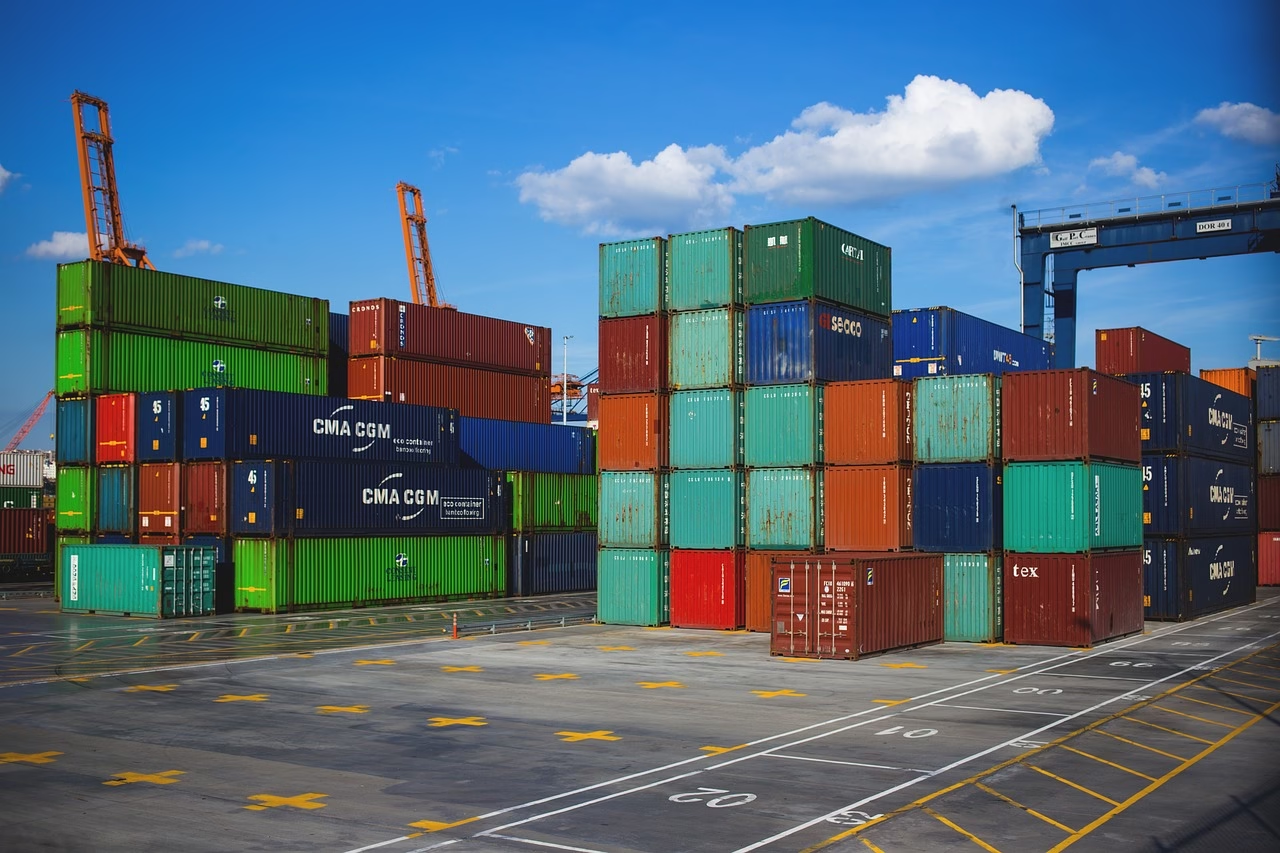
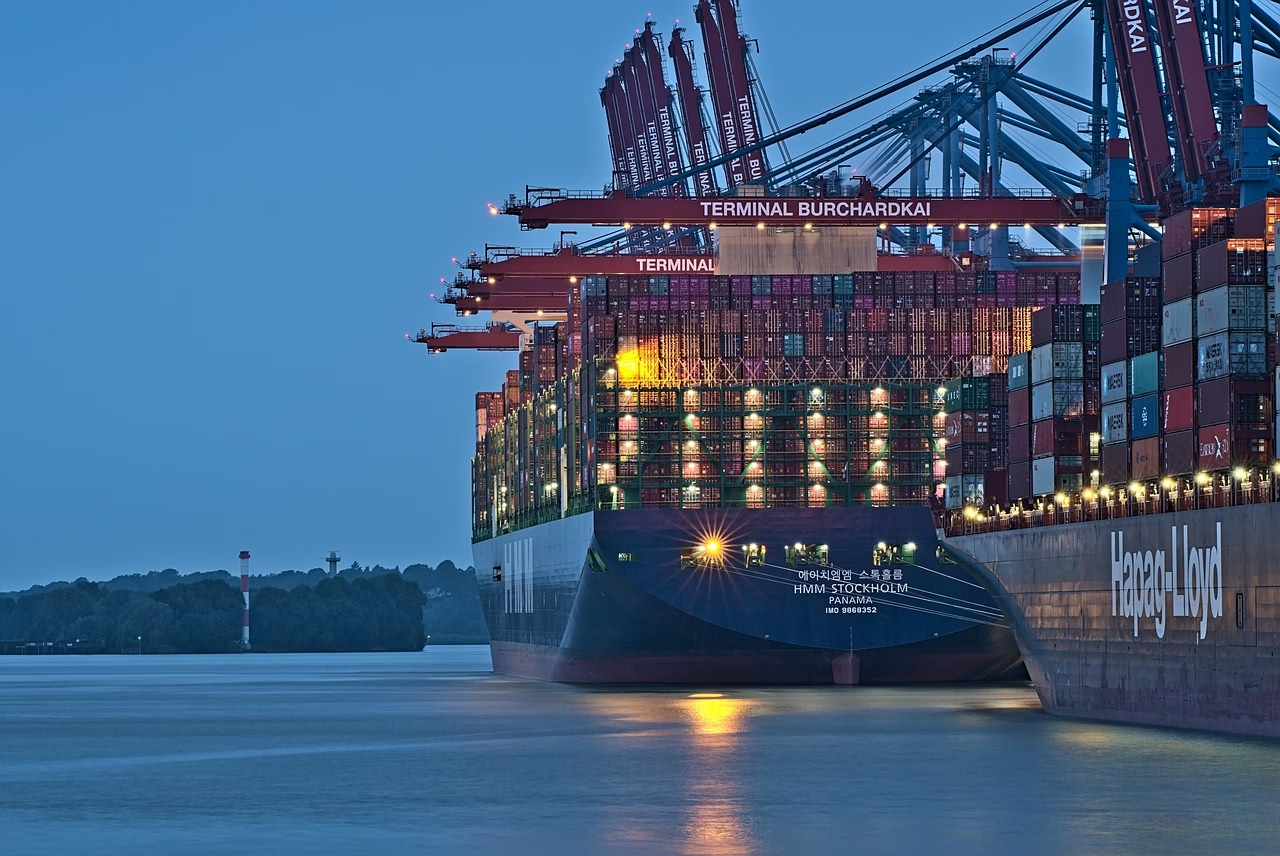
For the industry and global markets, this uncertainty poses a significant risk to oil supply chains and regional stability. Investors are advised to monitor the rhetoric closely, as market volatility often spikes following high-profile claims of geopolitical breakthroughs that fail to materialize. The primary concern for stakeholders is the potential for a miscalculation that leads to direct military confrontation, which would disrupt shipping lanes through the Strait of Hormuz.
What to Watch Next
Observers should monitor whether any formal intermediaries, such as Oman or Qatar, confirm the existence of active back-channel talks. Furthermore, any shifts in the severity of U.S. sanctions or changes in Iran‘s uranium enrichment levels will serve as the most reliable indicators of whether a genuine diplomatic thaw is truly underway or if the current claims will remain purely aspirational.

















Leave a Reply