


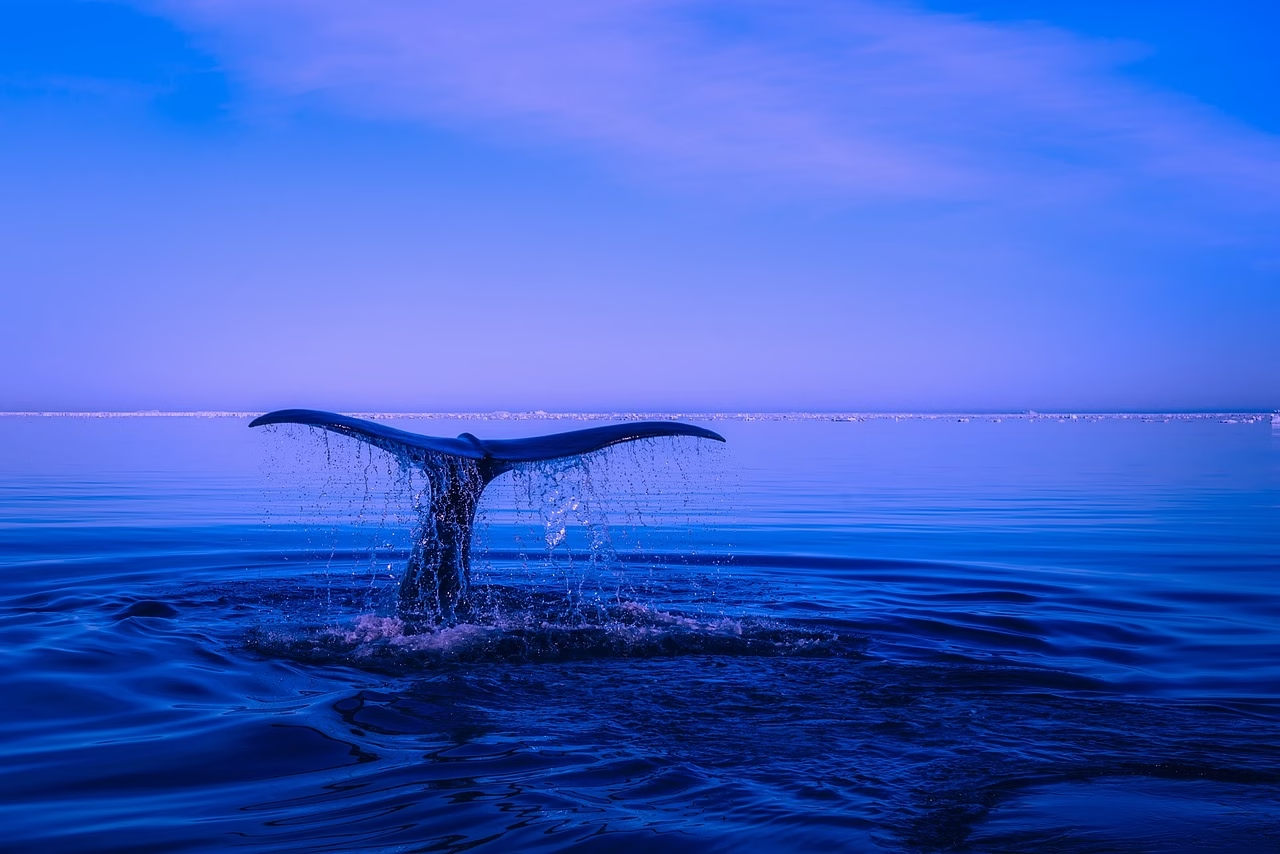
SAN ANTONIO, Texas — Marine mammal specialists successfully completed the first phase of a high-stakes international relocation this week, safely transferring two beluga whales from the shuttered Marineland theme park in Niagara Falls, Ontario, to a specialized care facility at SeaWorld San Antonio in Texas.
The emergency transfer addresses urgent health and welfare concerns following the Canadian park’s operational collapse and subsequent closure. The movement of the massive cetaceans marks one of the most complex aquatic rescue operations executed between Canada and the United States in recent years.
Background and the Fall of Marineland
For over six decades, Marineland operated as a prominent tourist attraction in Ontario, housing hundreds of marine animals. However, the facility faced escalating scrutiny from animal welfare advocates, regulatory agencies, and provincial inspectors over the past decade.
Multiple investigations by Ontario’s Animal Welfare Services raised serious concerns regarding water quality, inadequate staffing, and declining animal health. The pressure intensified following the passage of Canada’s Bill S-203 in 2019, which banned the breeding and captivity of cetaceans for entertainment purposes.
As financial pressures mounted and public attendance plummeted, the park quietly ceased operations, leaving dozens of beluga whales, dolphins, and land animals in a state of regulatory and logistical limbo. Government authorities and international welfare coalitions subsequently prioritized finding accredited facilities capable of absorbing these large, specialized populations.
Logistics of an International Airlift
Transporting 2,000-pound marine mammals across international borders requires an extraordinary level of logistical precision and regulatory coordination. The multi-agency operation involved marine biologists, veterinary surgeons, custom transport teams, and federal regulators from both nations.
Each beluga was placed in custom-engineered, foam-lined transport containers filled with temperature-controlled water. Throughout the multi-hour ground and air transit, veterinary teams monitored vital signs, hydrated the whales’ skin, and administered mild sedatives to minimize stress.
The operation required explicit clearance from Fisheries and Oceans Canada (DFO), the U.S. National Oceanic and Atmospheric Administration (NOAA), and compliance with the Convention on International Trade in Endangered Species of Wild Fauna and Flora (CITES). Permits were granted under strict emergency welfare provisions.
Expert Oversight and Rehabilitation Protocol
Upon arrival in San Antonio, the belugas were immediately transferred to dedicated quarantine pools. Veterinary teams conducted comprehensive blood panels, physical exams, and ultrasound scans to establish a baseline for their physical condition.
“The primary objective during the initial 72 hours is stabilization and stress reduction,” said Dr. Elena Rostova, a veterinary specialist in cetacean medicine not directly affiliated with the transfer. “Moving from a familiar environment to a new habitat induces significant cortisol spikes, which can compromise immune function if not carefully managed.”
Data from previous cetacean relocations indicate that social integration plays a critical role in long-term adaptation. SeaWorld San Antonio was selected in part due to its expansive habitat capacity and its existing social pod of belugas, which offer an environment conducive to natural herd behaviors.
Facilities accredited by the Association of Zoos and Aquariums (AZA) adhere to strict standards regarding habitat volume, water filtration chemistry, and behavioral enrichment programs. Experts emphasize that while sanctuary environments are ideal, accredited modern zoological facilities provide the immediate high-tier veterinary infrastructure these animals urgently require.
Industry Implications and What Lies Ahead
The arrival of these two beluga whales in Texas represents only the initial phase of a broader, highly contentious wind-down of Marineland’s aquatic population. Dozens of remaining cetaceans, including additional belugas, still require long-term housing solutions as Canadian authorities negotiate additional permits.
This emergency relocation sets a critical legal and logistical precedent for the global marine park industry. As public sentiment and legislative frameworks continue to shift away from keeping large marine mammals in commercial captivity, the demand for accredited receiving facilities and sea sanctuaries has reached an unprecedented peak.
Industry observers and regulatory agencies will closely watch the acclimation of the two San Antonio belugas over the coming months. Their progress will likely serve as a benchmark for future emergency transfers, directly influencing regulatory protocols for the remaining marine mammals awaiting departure from Niagara Falls.





















Leave a Reply