



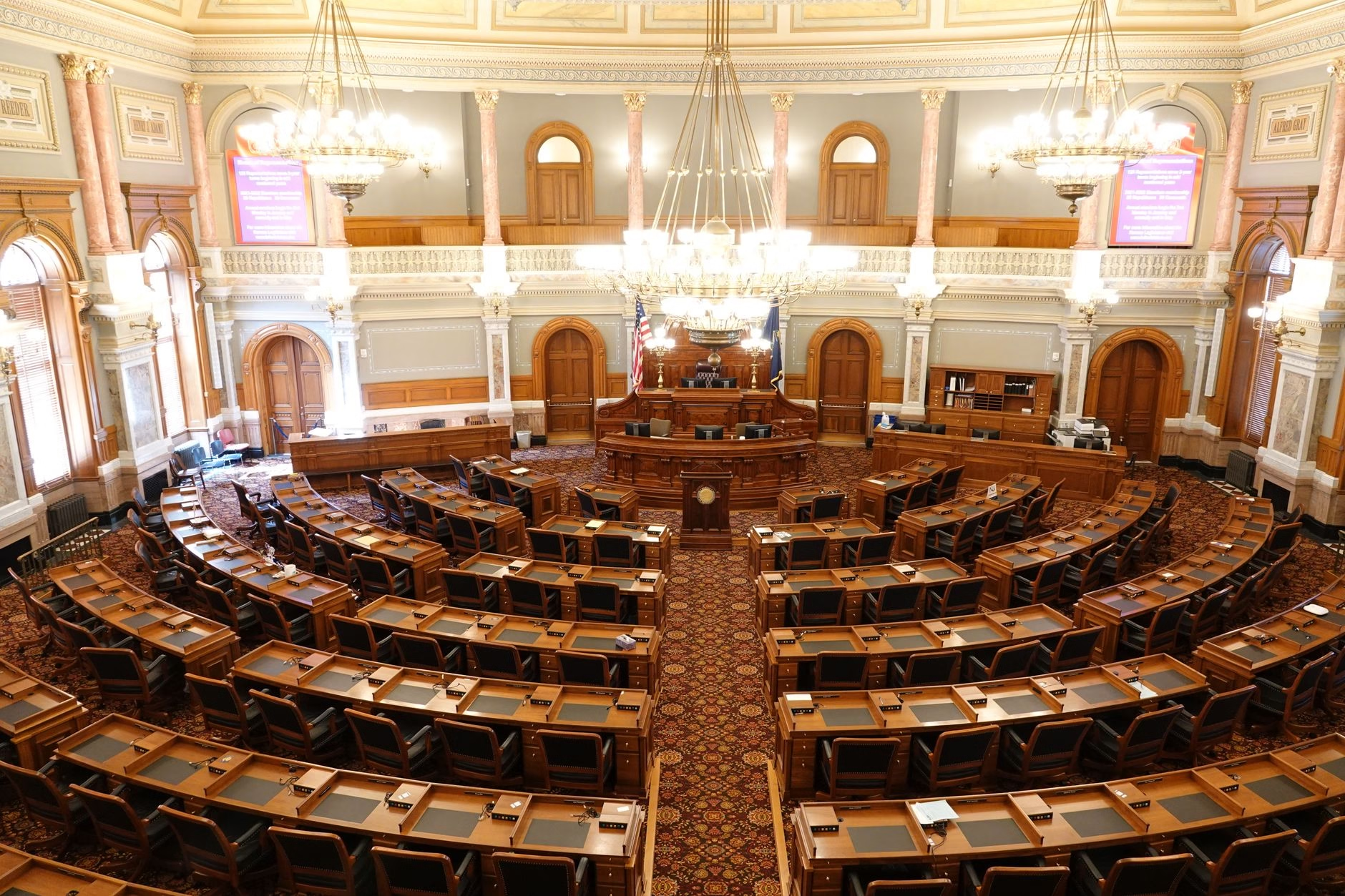
Acting Attorney General Todd Blanche is scheduled to appear before Capitol Hill lawmakers this week, a development that follows the Trump administration‘s abrupt decision to pause a controversial $1.8 billion initiative. The fund, which was designed to compensate allies of President Donald Trump who faced legal or professional repercussions, has sparked intense scrutiny from legislative oversight committees.
The Context of the Proposed Fund
The $1.8 billion proposal emerged as a signature element of the current administration’s efforts to address what it characterizes as systemic bias against its political supporters. The fund was intended to provide financial restitution for legal fees and lost income incurred by individuals who held positions within the previous administration or supported its policy agenda.
Critics, however, have raised significant legal and ethical concerns regarding the use of federal resources to support private individuals. The proposal prompted immediate warnings from ethics watchdogs, who argued that such a mechanism could violate anti-deficiency laws and create a precedent for using taxpayer funds to shield political allies from the consequences of civil and criminal litigation.
Congressional Scrutiny and Legislative Pushback
Lawmakers on both sides of the aisle have expressed skepticism regarding the origin and distribution criteria of the fund. During preliminary inquiries, members of the House and Senate oversight committees demanded transparency regarding how the $1.8 billion figure was calculated and which specific entities would oversee the distribution of these assets.
The administration’s decision to pause the initiative comes shortly after bipartisan calls for a formal investigation into the fund’s structure. This strategic retreat suggests that the White House is attempting to mitigate political fallout before the upcoming budget reconciliation process, where the fund would likely face its most significant hurdle.
Expert Perspectives on Legal Implications
Legal analysts suggest that the pause is a calculated move to avoid a protracted constitutional battle. “The administration is navigating a narrow legal path,” noted one senior policy analyst at a Washington-based think tank. “By pausing the fund, they gain the necessary time to revise the proposal in a way that might withstand judicial review, though the fundamental questions about the legality of the expenditure remain unanswered.”
Data from recent government spending reports indicate that the proposed $1.8 billion represents a significant allocation of discretionary funding. Independent auditors have noted that without clear congressional authorization, any attempt to move forward with the program could lead to immediate litigation from private watchdog groups.
Industry and Political Implications
For the administration, the pause serves as a tactical reset. By sending Todd Blanche back to the Hill, the White House aims to open a dialogue that could lead to a more palatable version of the assistance program. For those who were expected to benefit from the fund, the delay introduces a period of uncertainty regarding the status of their pending legal claims.
Looking ahead, the focus will shift to Blanche’s testimony and whether he can provide the fiscal justification required to satisfy lawmakers. Observers are watching to see if the administration attempts to reintroduce a modified version of the fund through a different legislative vehicle or if this retreat marks a permanent shelving of the project. The outcome of these discussions will likely set the tone for executive-legislative relations for the remainder of the fiscal year.




















Leave a Reply