


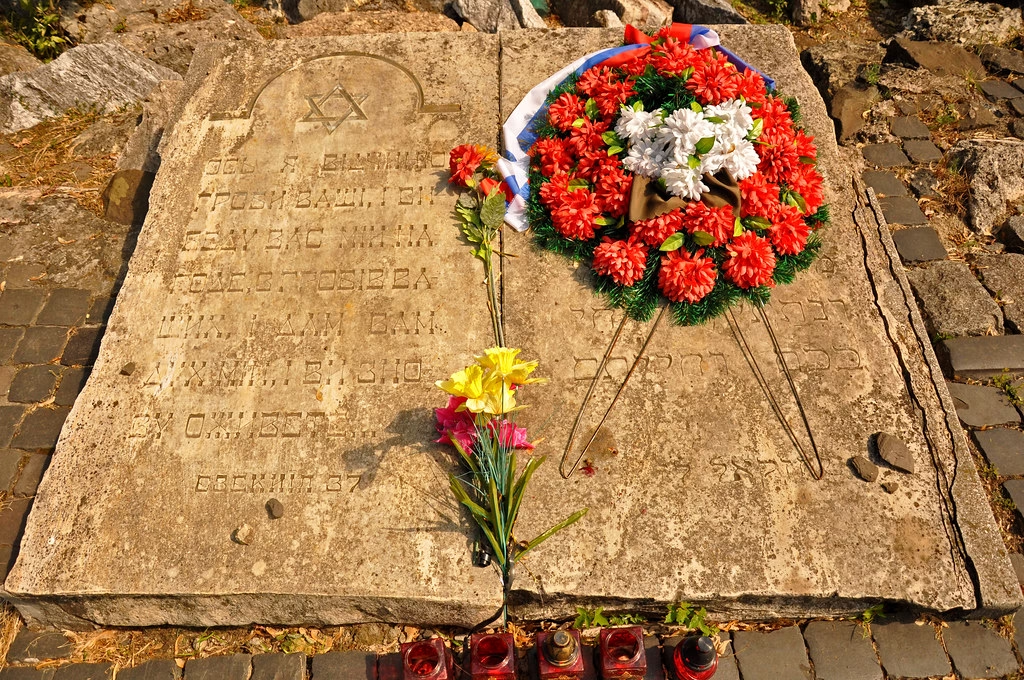
One year after a catastrophic aviation disaster left families across the globe in a state of suspended mourning, the aviation industry and legal experts are assessing the long-term impact of air tragedy on survivor support systems and international flight safety protocols. As the anniversary passes, the focus has shifted from initial rescue and recovery efforts to the grueling, often multi-year process of forensic identification, litigation, and the psychological rehabilitation of grieving families.
The Weight of Uncertainty
In the immediate aftermath of a plane crash, the technical focus remains on black box recovery and crash site investigation. However, for the families involved, the reality is defined by a lack of closure that can persist for years.
Data from the International Civil Aviation Organization (ICAO) indicates that while aviation remains one of the safest modes of transport, the recovery of remains and personal effects in remote or difficult terrain often takes months. This delay creates a vacuum where grief cannot be processed, as families are forced to wait for forensic confirmation before they can begin traditional mourning rites.
Legal and Procedural Hurdles
The legal landscape following a major air disaster is inherently complex. Under the Montreal Convention, which governs international carriage by air, airlines face strict liability for passenger deaths, but the process of securing compensation and establishing accountability is frequently protracted.
Legal analysts note that families often find themselves entangled in jurisdictional disputes. These disputes can span multiple countries, pitting the airline’s insurance providers against the families seeking answers regarding mechanical failure or human error.
Psychological Support and Long-term Recovery
Mental health professionals emphasize that the trauma of a plane crash is unique due to its suddenness and the public nature of the tragedy. Unlike other forms of loss, the public scrutiny and media coverage of aviation disasters can exacerbate the trauma of survivors.
Clinical psychologist Dr. Elena Vance explains that the ‘anniversary effect’ is a documented phenomenon where families experience a resurgence of grief. Support networks, often managed by airline victim assistance programs, are now being scrutinized for their efficacy in providing long-term mental health resources rather than just immediate financial aid.
Industry Implications and Future Safety
For the aviation industry, the primary implication of these disasters is the push for enhanced tracking technology. The implementation of Global Aeronautical Distress and Safety Systems (GADSS) aims to ensure that no aircraft disappears from radar, regardless of its location.
Beyond technology, the industry is seeing a shift toward more compassionate crisis communication. Airlines that prioritize transparency and direct, consistent communication with families have been found to experience less reputational damage than those that rely solely on legal defensive strategies.
What to Watch Next
The coming months will likely see a surge in finalized investigative reports from national aviation authorities, which will trigger a new wave of civil litigation. Observers should monitor whether new international safety regulations will mandate real-time flight data streaming to prevent the prolonged uncertainty that currently characterizes the search-and-recovery phase of modern aviation accidents.





















Leave a Reply