


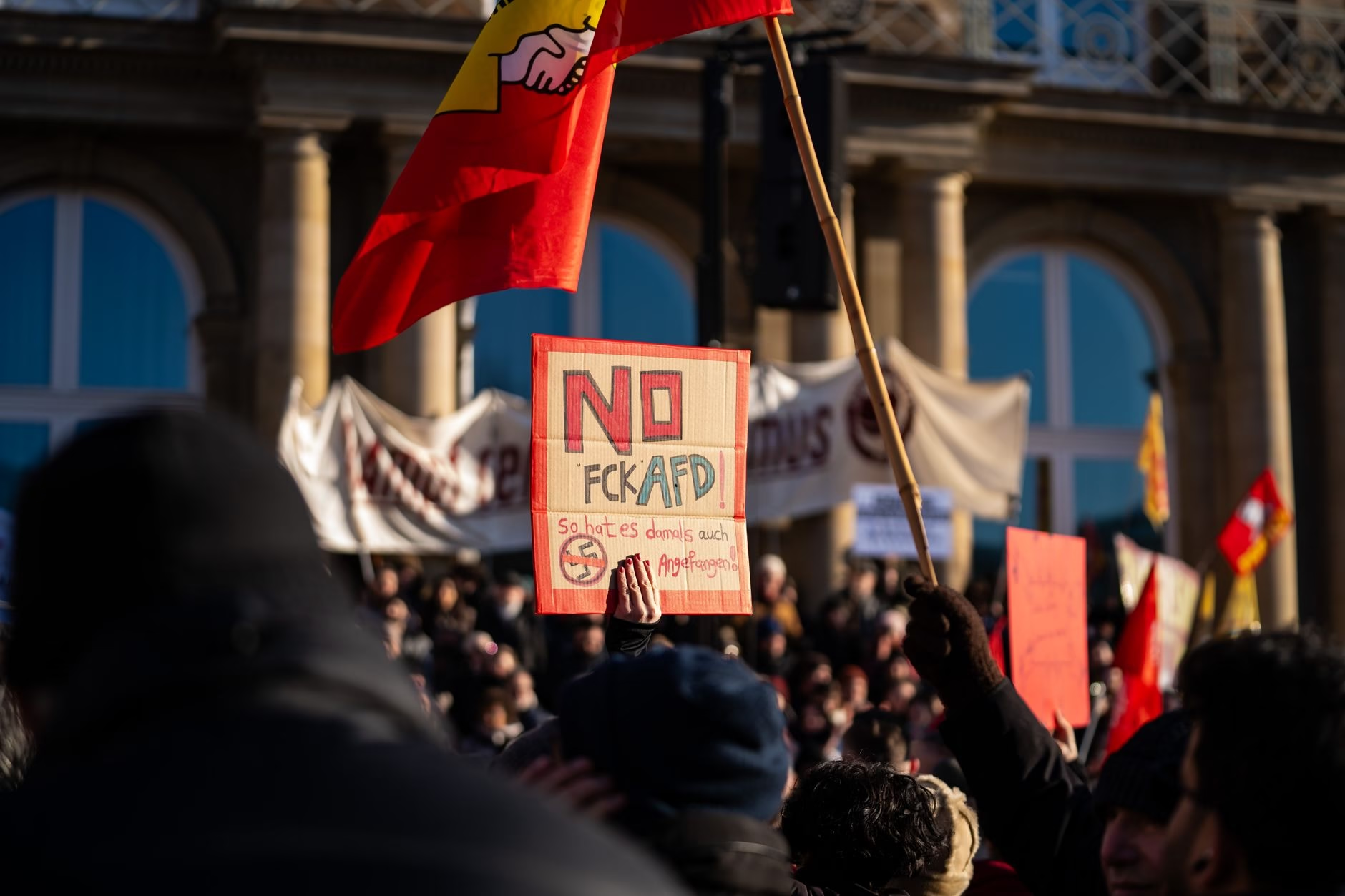
Economic Uncertainty in Germany
Commercial leaders across the German federal republic are expressing heightened anxiety regarding the rising political influence of the far-right Alternative for Germany party. As upcoming elections approach, corporate executives and industry associations are warning that a major electoral breakthrough by the populist movement could severely disrupt the nation’s economic landscape. Business owners fear that shifting political dynamics may threaten international trade relationships, undermine investor confidence, and alter the fundamental framework that has long supported Europe’s largest economy.
The Threat to Skilled Labor and Immigration
One of the primary worries within the corporate sector centers on workforce availability. German industries have relied heavily on foreign labor to fill millions of open positions across manufacturing, technology, healthcare, and services. The anti-immigration platform championed by the far-right faction directly contradicts the operational needs of modern enterprises. Without a steady influx of skilled international professionals, domestic companies argue they will struggle to maintain production levels and remain competitive on the global stage.
Global Trade and Export Stability
Germany’s economic prosperity is deeply intertwined with international commerce and open borders within the European Union. Business representatives emphasize that the nationalist rhetoric and protectionist policies favored by the political movement could isolate the country from its vital trading partners. Any policy shifts that jeopardize European integration or challenge the euro currency pose an existential threat to export-oriented corporations that drive national employment and tax revenues.
Investor Confidence on the Line
Financial markets thrive on predictability and stability. The prospect of political upheaval driven by radical shifts in governance creates an atmosphere of hesitation among domestic and foreign investors. Financial analysts note that capital allocation decisions depend heavily on political continuity. If governance veers toward isolationism and regulatory unpredictability, businesses may redirect investments toward more stable jurisdictions, leading to sluggish domestic growth and reduced long-term prosperity.
Corporate Activism and Public Stances
In response to these mounting risks, major industry figures and trade organizations are breaking their traditional silence on political matters. Corporate leaders are increasingly speaking out publicly to defend democratic values, international cooperation, and social inclusion. By emphasizing the economic necessity of a diverse workforce and open global markets, business communities aim to counter the populist narrative and urge voters to consider the severe financial consequences of political radicalism.
Looking Ahead at Economic Resilience
As the political campaign intensifies, the corporate sector faces a critical juncture. Maintaining economic resilience requires active engagement with policymakers and the public to highlight the practical benefits of stability and integration. While the political climate remains tense, German business leaders continue to advocate for pragmatic solutions that safeguard the nation’s economic foundation against the uncertainties of shifting political tides.


















Leave a Reply