


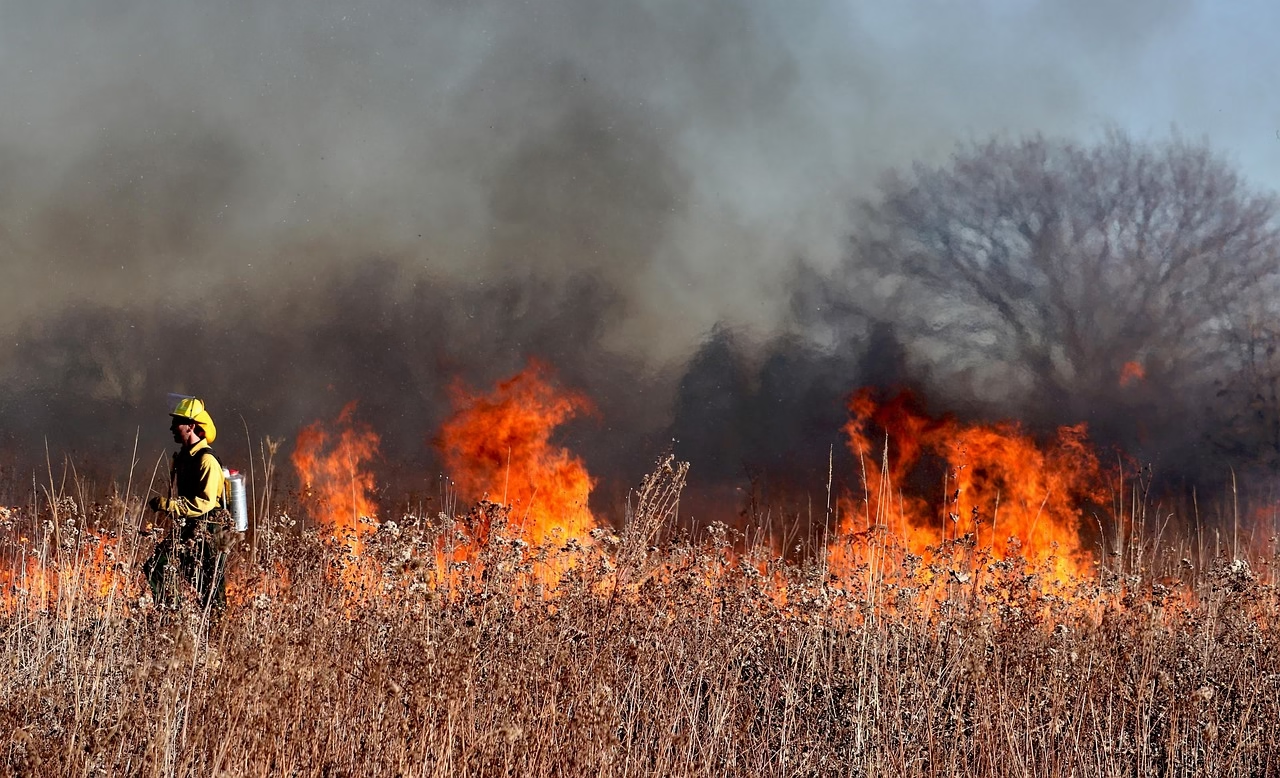
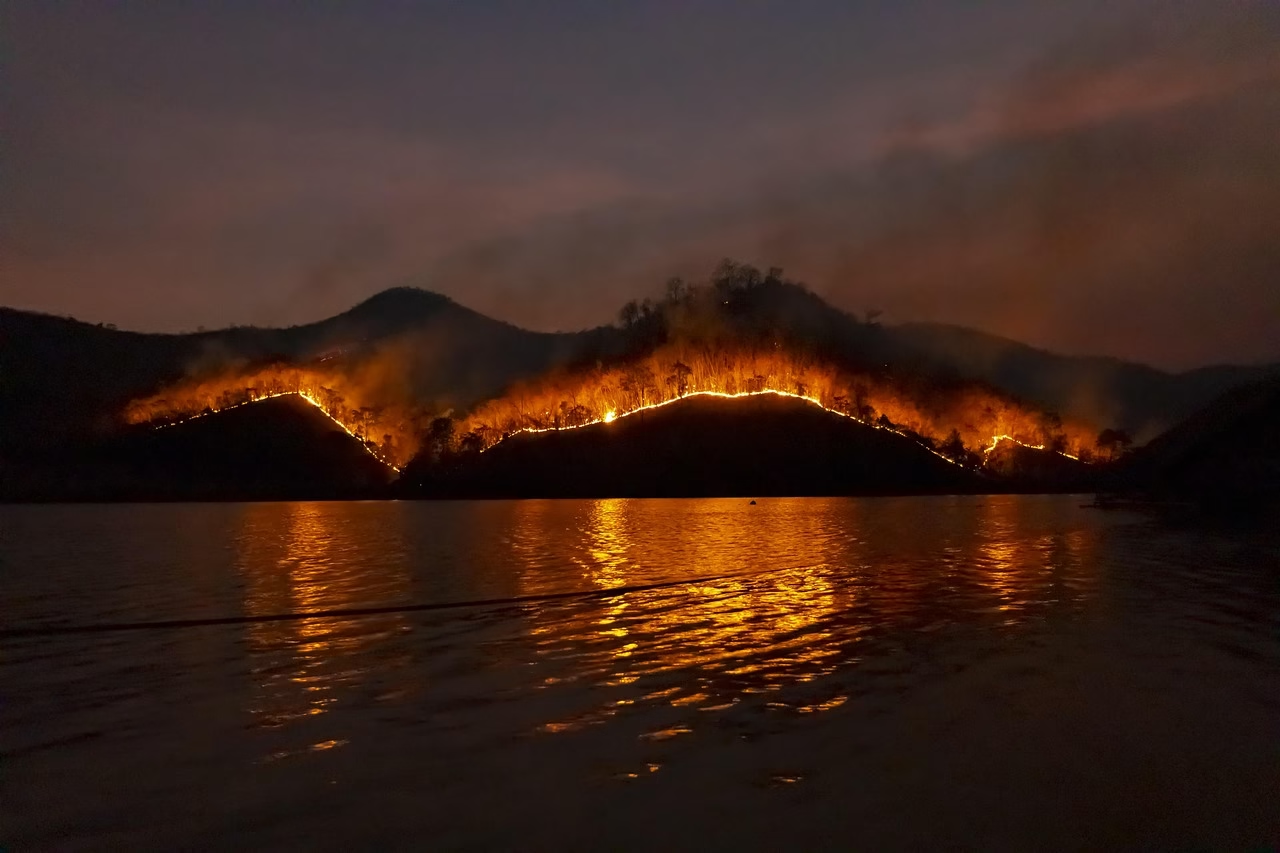
More than 10,000 residents and summer tourists were forced to flee emergency evacuation zones in southern France this week as ferocious wildfires surged through pine forests, driven by an intense heatwave that climate scientists warn is severely worsening water shortages across Western Europe.
Emergency services deployed over 1,500 firefighters, supported by heavy water-dropping aircraft, as dry timber and gusty winds rapidly spread flames through thousands of hectares of dry land. The evacuations center around vulnerable coastal and forested communities where temperatures have repeatedly surpassed 40 degrees Celsius (104 degrees Fahrenheit).
Escalating Crisis in Western Europe
The outbreak of blazes comes as Western Europe faces its second major heat dome of the summer season, a atmospheric pattern that traps high pressure and hot air over vast regions. France, Spain, and Portugal have all recorded historic temperature highs and prolonged periods without significant rainfall over the past three months.
Regional authorities in France reported that dry soil conditions have reached levels unseen in decades, rendering vegetation highly volatile and prone to rapid ignition. Local campgrounds, residential areas, and historic villages were cleared systematically as local authorities issued top-tier fire danger warnings across multiple departments.
Firefighting Efforts and On-the-Ground Challenges
First responders face extreme operational hazards as shifting wind directions continuously alter the fire lines. Fire crews from neighboring departments and international aid units under the European Union Civil Protection Mechanism have been mobilized to reinforce overwhelmed local brigades.
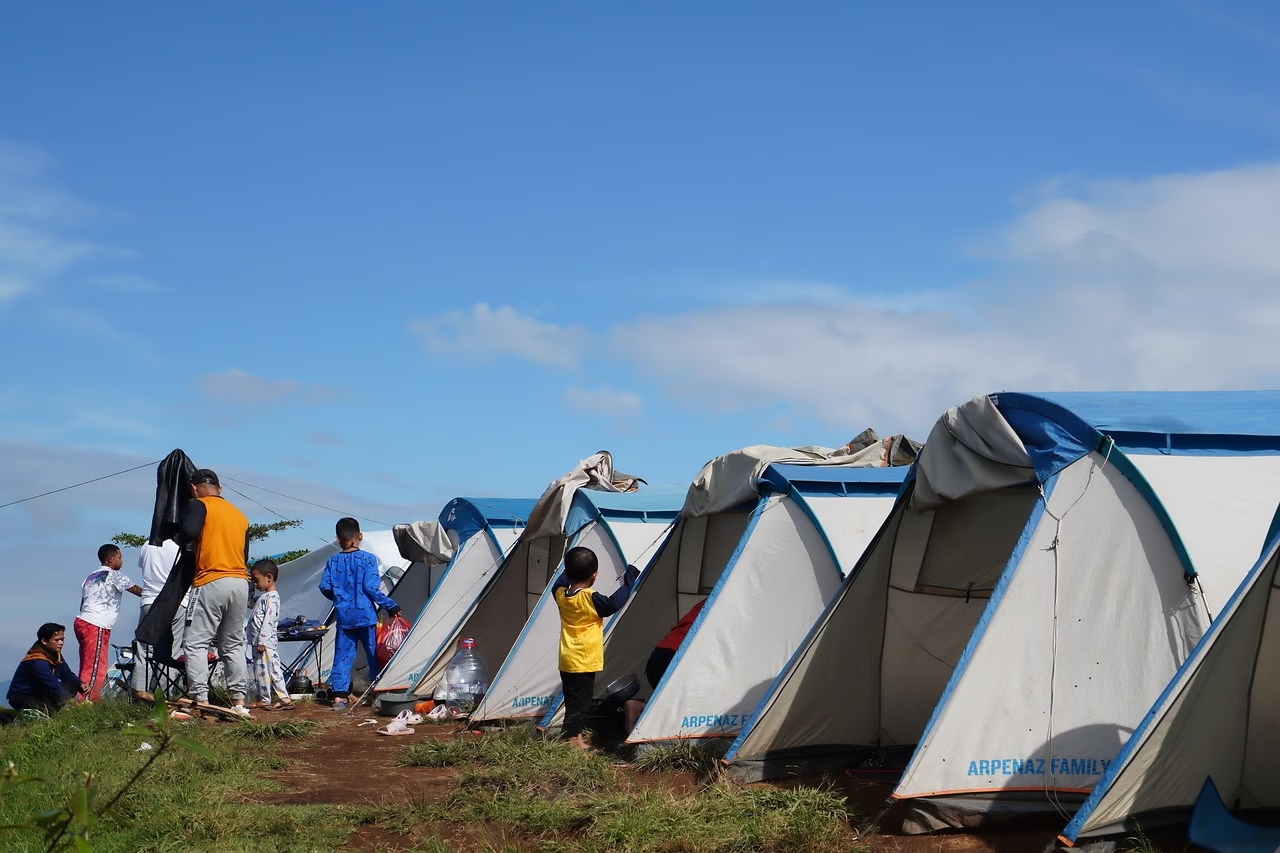
Visual reports from the affected regions show dense plumes of smoke filling the skies, reducing visibility along major transportation corridors and forcing the closure of several regional highways. Temporary shelters have been established in sports arenas and community centers to accommodate thousands of displaced families and tourists.
Scientific Data and Expert Analysis
Climate scientists point to compounding meteorological factors as the primary accelerator of the current fire season. According to data from the Copernicus Climate Change Service, soil moisture levels across Southern and Central Europe have dropped to near-record lows this summer.
Researchers at the European Drought Observatory emphasize that rising global temperatures are altering atmospheric circulation patterns, prolonging dry spells and shortening recovery windows between heat events. Expert assessments indicate that prolonged water deficits mean forests are losing their natural resilience, creating ideal conditions for megafires that are difficult to contain using traditional firefighting methods.
Systemic Water Shortages and Environmental Impact
Beyond the immediate destruction of forest ecosystems, the ongoing heatwave has exacerbated severe hydrological drought across major European river basins. Municipalities across France have enacted strict water rationing measures, prohibiting non-essential water usage as reservoir levels drop to critical thresholds.
Agricultural sectors are facing compounding losses as irrigation bans take effect during vital crop development phases. Environmental economists warn that recurring heat events and structural water scarcity will pose increasing threats to regional food security and energy production, particularly for nuclear plants that rely on river cooling systems.
Future Implications and What to Watch Next
As summer temperatures continue to climb across the continent, European governments are under growing pressure to reform emergency preparedness models and accelerate climate adaptation strategies. Policy analysts anticipate urgent legislative debates regarding national forestry management practices, emergency response funding, and long-term water conservation infrastructure.
In the coming days, meteorologists are monitoring potential weather shifts, though forecasts indicate that elevated temperatures and dry conditions will likely persist across Southern Europe. Observers are closely watching whether additional nations will activate emergency assistance requests through the European Union, potentially triggering a coordinated international response to manage continental fire risk and resource distribution through the late summer season.


















Leave a Reply