


A Significant Papal Pilgrimage
Pope Francis arrived in Spain this week to begin a comprehensive six-day apostolic visit that spans the capital city of Madrid and the archipelago of the Canary Islands. The journey, which commenced on Tuesday, marks a pivotal moment for the Catholic Church in Europe as the Pontiff seeks to address both spiritual and humanitarian concerns facing the region.
Context of the Visit
This trip follows a series of high-profile international engagements by the Vatican aimed at strengthening ties with European nations. Spain, a country with a deeply rooted Catholic history, has experienced shifting demographics and secularization trends over the past two decades. The Vatican has signaled that this visit is intended to encourage local clergy and address the challenges of migration and social cohesion.
Focus on Madrid and the Canary Islands
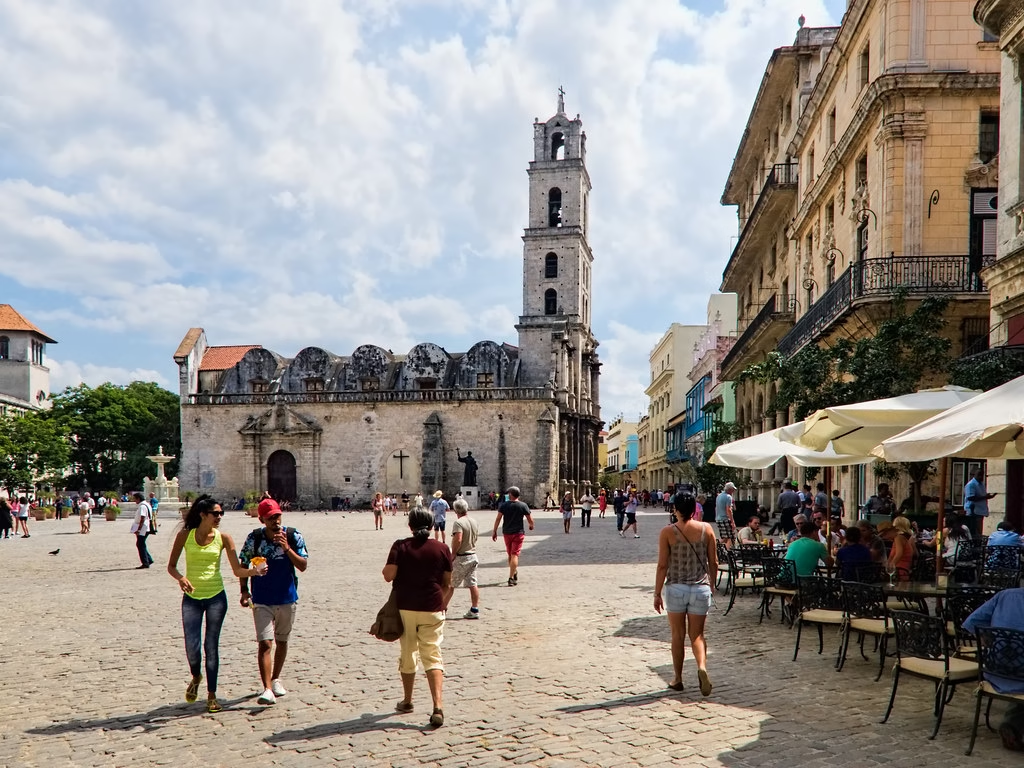
In Madrid, the Pope’s schedule is dominated by meetings with government officials and pastoral visits to local parishes. The inclusion of the Canary Islands on this itinerary is particularly notable, given the region’s position as a primary gateway for migrants arriving from the African coast. The Vatican has indicated that the Pope intends to highlight the humanitarian crisis unfolding at Europe’s southern borders.
Expert Perspectives and Humanitarian Concerns
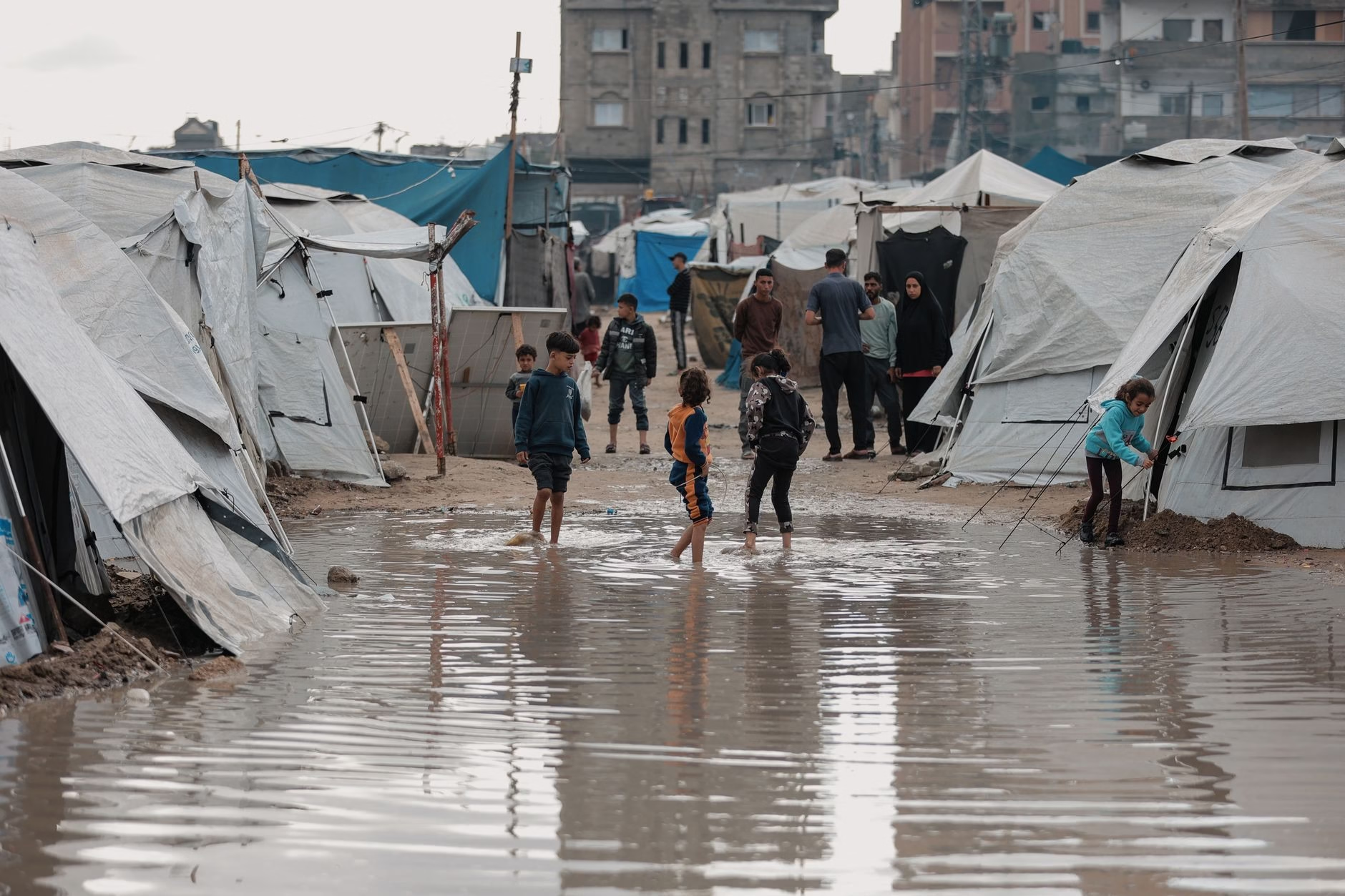
Policy analysts and religious observers suggest that the choice of the Canary Islands is a deliberate act of advocacy. According to recent data from the International Organization for Migration (IOM), the Atlantic route to the Canary Islands remains one of the most perilous paths for those seeking asylum. By visiting these islands, Pope Francis is amplifying his long-standing call for more equitable migration policies and increased humanitarian aid for displaced persons.
Socio-Political Implications
The visit is expected to influence local discourse regarding the role of the Church in modern Spanish society. Government leaders are closely monitoring the Pope’s speeches for signals on how the Vatican views current legislative debates concerning social welfare and family policy. For the broader Catholic community, the event serves as a call to action regarding the church’s responsibility toward vulnerable populations.
Future Outlook
Looking ahead, observers will be watching to see if the Pope’s visit leads to tangible changes in national policy or church-state cooperation. The success of this trip may determine the frequency and scope of future papal visits to European nations struggling with similar immigration and secularization pressures. Observers remain focused on the potential for the Vatican to exert renewed influence on humanitarian policy as the European Union debates its ongoing migration pacts.

















Leave a Reply