


Introduction
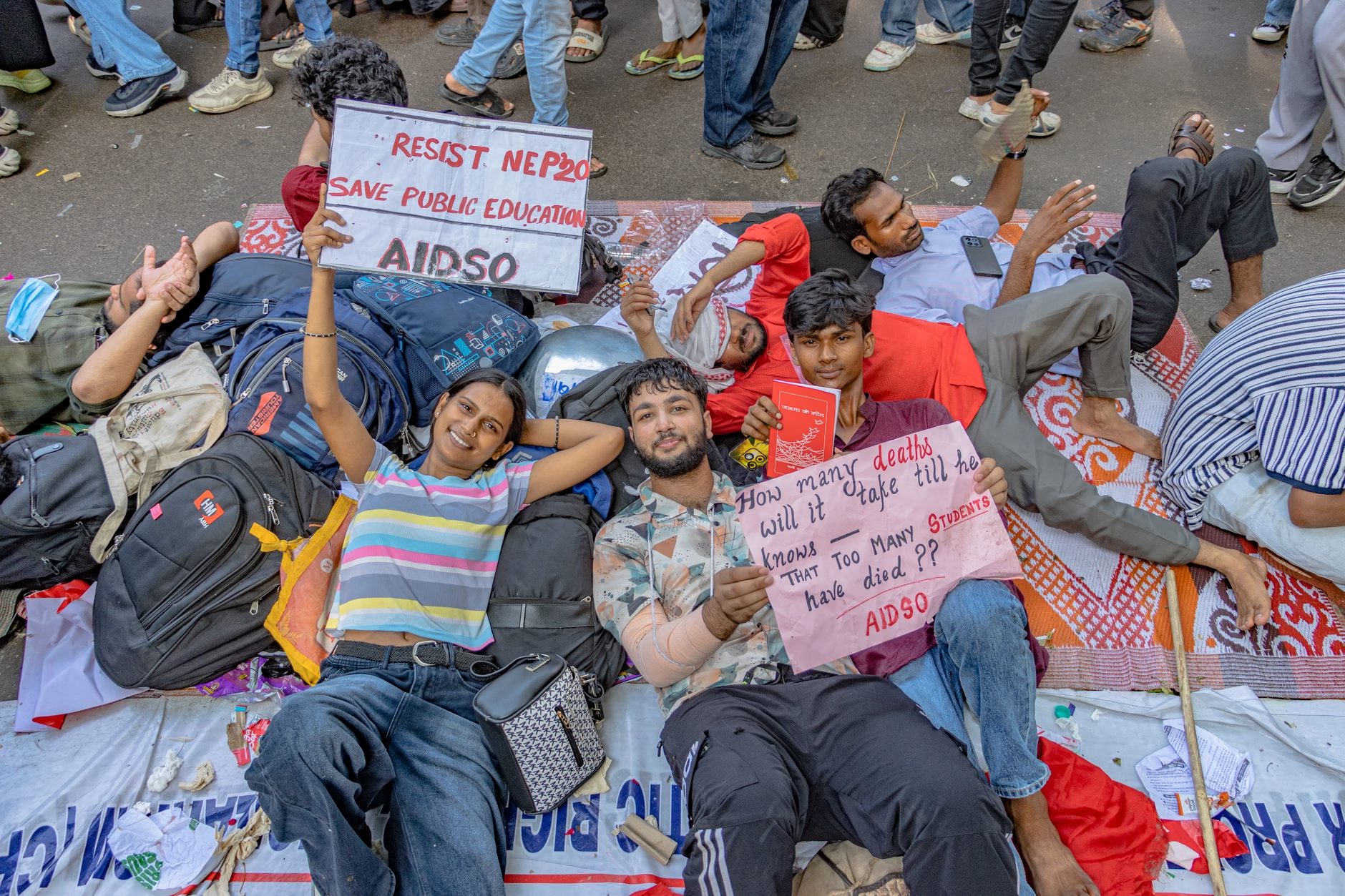
Twelve months have passed since youth-led demonstrations swept across the nation, driven by a generation demanding sweeping societal and political reforms. These historic gatherings captured global attention as young citizens took to the streets to voice profound frustration regarding corruption, economic stagnation, and a lack of governance transparency. Today, the pressing question remains whether these passionate demands have translated into meaningful progress or if the movement has stalled.
The Spark of the Youth Movement
The unrest began when frustration among young people reached a boiling point. Economic difficulties, limited job opportunities, and widespread allegations of official misconduct served as primary catalysts. Unlike traditional political factions, this mobilization was largely decentralized and organized through digital platforms. Participants utilized social media to coordinate actions, share information, and amplify their collective voice across urban centers.
Demands for Systemic Accountability
At the core of the protests were clear calls for systemic transformation. Demonstrators demanded rigorous anti-corruption measures, greater transparency in public administration, and a complete overhaul of outdated political processes. They argued that established leadership had failed to address the aspirations of the younger demographic, who make up a significant portion of the population.
Institutional Responses and Reforms
In the wake of the demonstrations, public officials and governing bodies acknowledged the urgency of the youth grievances. Several policy discussions were initiated, and authorities promised to review existing transparency frameworks. However, critics argue that these initial promises often lacked concrete implementation timelines, leading to widespread skepticism about the genuine commitment of the establishment to reform.
Evaluating the Current Political Landscape
One year down the line, the political reality reveals a mixed picture. While some low-level administrative changes have been introduced, major structural transformations remain elusive. Traditional power dynamics continue to dominate the political arena, making it difficult for new leadership styles or outsider perspectives to gain a permanent foothold in governance.
Economic Realities and Employment
Economic empowerment was a central pillar of the youth platform. Young participants continuously highlighted the scarcity of stable employment and the high cost of living. Over the past year, targeted job creation initiatives have been modest at best. Many young professionals still look abroad for career opportunities, signaling that the core economic pressures driving the demonstrations have not yet been adequately resolved.
Civil Society and Ongoing Activism
Despite the slow pace of institutional change, the demonstrations left a lasting mark on civil society. Civic engagement among youth has reached unprecedented levels. Grassroots organizations and digital advocacy groups continue to monitor government actions, maintain public pressure, and educate citizens about their democratic rights. This continuous oversight ensures that public officials remain under scrutiny.
Looking Ahead
As the movement enters its second year, the focus has shifted from street demonstrations to sustained, long-term advocacy. Transforming deep-seated systemic issues requires persistent effort and strategic engagement with the political process. Whether the aspirations of the younger generation will eventually reshape the nation remains an open question, but their impact on national consciousness is undeniable.



















Leave a Reply