


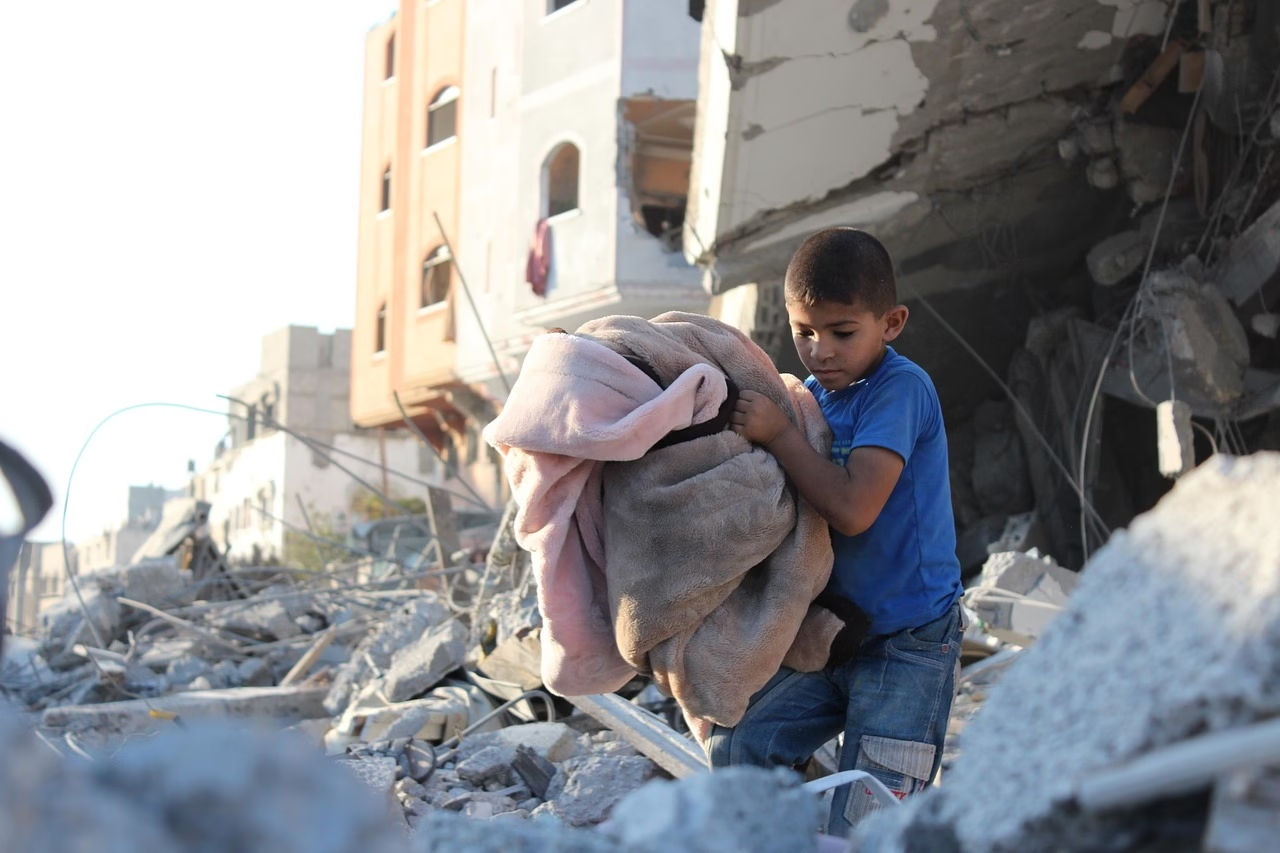
Casualties Reported in Ongoing Conflict
Israeli airstrikes across the Gaza Strip resulted in the deaths of at least nine Palestinians on Tuesday, according to local medical officials. These fatalities mark a continuation of hostilities in the enclave despite ongoing international efforts to secure a durable ceasefire between Israeli forces and Hamas militants.
Context of the Escalation
The conflict, which entered a new phase of intense volatility last year, has seen repeated attempts by mediators from the United States, Qatar, and Egypt to establish a long-term cessation of violence. However, negotiations have frequently stalled over disagreements regarding the release of hostages held by Hamas and the withdrawal of Israeli troops from key areas within Gaza.
Detailed Impact of Recent Operations
Local hospital sources reported that the strikes targeted residential areas and infrastructure, leading to a high number of casualties in a short timeframe. Rescue operations were hampered by the destruction of local roads and the ongoing security risks in the affected zones, complicating efforts to retrieve survivors from the rubble.
International humanitarian organizations have consistently warned that the healthcare system in Gaza is operating at a fraction of its capacity. The influx of new casualties places further strain on hospitals already struggling with chronic shortages of medical supplies, fuel, and electricity.
Expert Perspectives and Humanitarian Data
United Nations agencies have documented a significant rise in civilian deaths over the past several months, noting that the intensity of strikes often complicates the delivery of essential aid. According to figures provided by the Gaza Health Ministry, the total death toll since the start of the war has surpassed 30,000, a figure that international observers acknowledge is difficult to verify independently but reflects the widespread scale of destruction.
Military analysts suggest that the ongoing strikes are part of a targeted campaign by the Israel Defense Forces (IDF) to dismantle Hamas infrastructure. Conversely, international human rights groups have expressed growing concern regarding the proportionality of these strikes in densely populated urban centers, calling for immediate investigations into potential violations of international law.
Future Implications for the Region
The failure to maintain a consistent ceasefire poses significant risks for the stability of the entire Middle East region. As diplomatic channels remain open but largely unproductive, the primary concern for the international community is the potential for the conflict to expand into neighboring territories, further destabilizing Lebanon and the West Bank.
Observers are closely watching for any shift in the stance of key mediators, particularly as the United States faces increasing domestic and international pressure to exert more influence over the trajectory of the war. Whether these recent strikes will serve as a catalyst for a renewed push toward a permanent truce or lead to a further hardening of positions remains the critical question in the coming weeks.

























Leave a Reply