



Diplomatic sources confirmed on Wednesday that representatives from the United States and Iran have reached a tentative agreement to extend an ongoing ceasefire and continue high-level peace negotiations. The breakthrough, which emerged following weeks of back-channel discussions, aims to stabilize regional tensions, though the framework remains subject to final approval by U.S. President Donald Trump and official verification from Tehran.
The Current Diplomatic Landscape
The tentative deal follows a period of heightened volatility that saw the two nations teetering on the edge of direct military confrontation. For months, international mediators have worked to establish a sustainable framework that could address long-standing grievances regarding regional security, nuclear policy, and economic sanctions.
While Iranian state media has cautioned that the text of the agreement is not yet finalized, the progress represents a significant departure from the rhetorical hostility that defined the previous year. Both parties have reportedly agreed to a cooling-off period intended to facilitate more granular discussions on permanent de-escalation measures.
Strategic Motivations and Hurdles
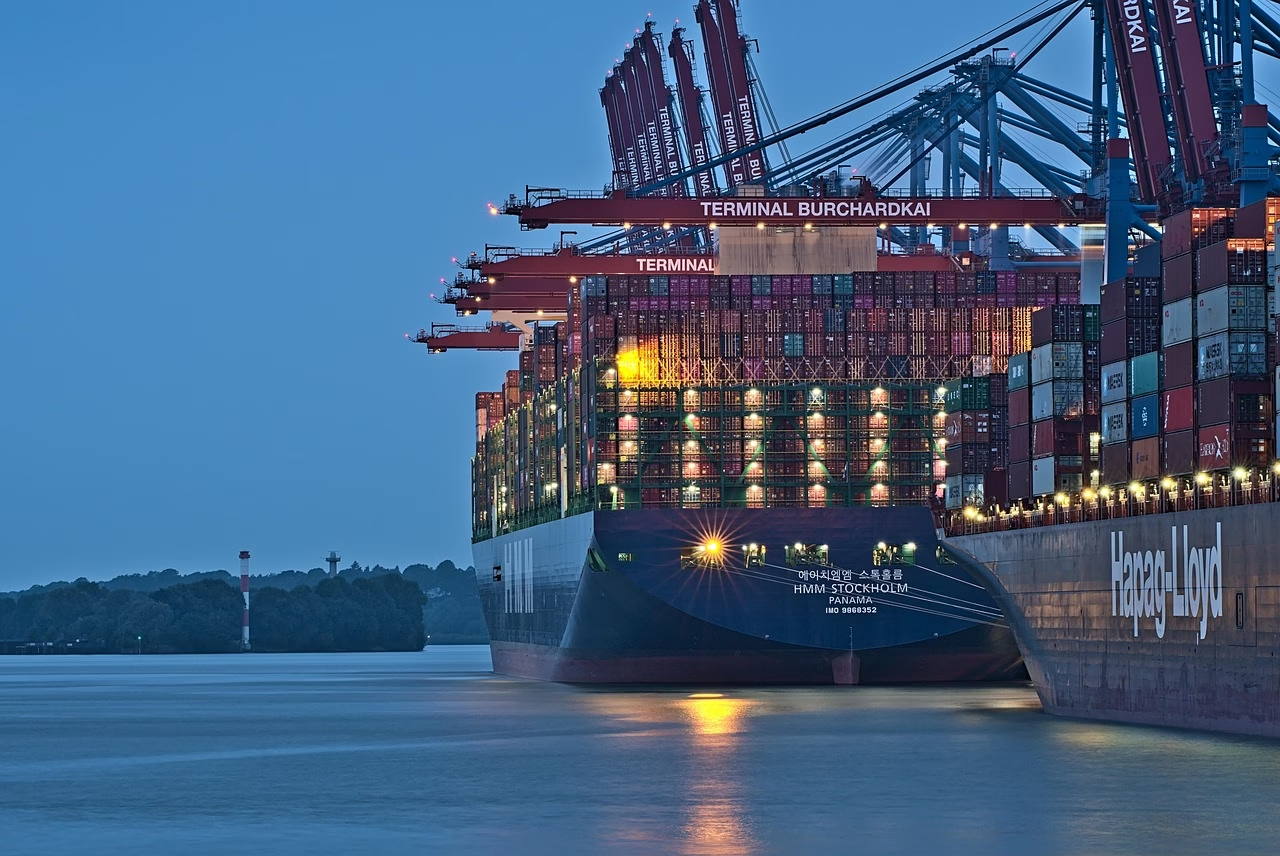
The push for an extended ceasefire is driven by a shared desire to avoid an unintended escalation that could disrupt global energy markets and regional trade routes. Analysts suggest that both Washington and Tehran are under internal pressure to demonstrate progress in de-escalating military posturing without appearing to compromise core national security interests.
However, the path to a ratified treaty remains fraught with political hurdles. U.S. officials familiar with the negotiations indicate that President Trump is weighing the political risks of the deal against the potential for a long-term diplomatic victory. Simultaneously, internal factions within the Iranian government remain divided over the extent to which they should engage with the current U.S. administration.
Expert Analysis on Regional Stability
Geopolitical analysts point to the involvement of third-party intermediaries as a crucial factor in the recent progress. Data from the International Crisis Group suggests that even a temporary cessation of hostilities significantly lowers the risk of miscalculation in the Persian Gulf, where naval and aerial activity remains dense.
“The extension of this ceasefire is not a solution, but it is a necessary space for diplomacy to function,” noted a senior fellow at a Washington-based think tank. “By freezing current military actions, both sides are buying time to address the structural issues that have fueled this cycle of violence for decades.”
Future Implications for Global Policy
The success of these talks would likely reshape the security architecture of the Middle East and provide a template for future conflict resolution in polarized regions. Should the agreement hold, international observers expect a gradual reduction in military assets stationed in the region, potentially easing the strain on global maritime security.
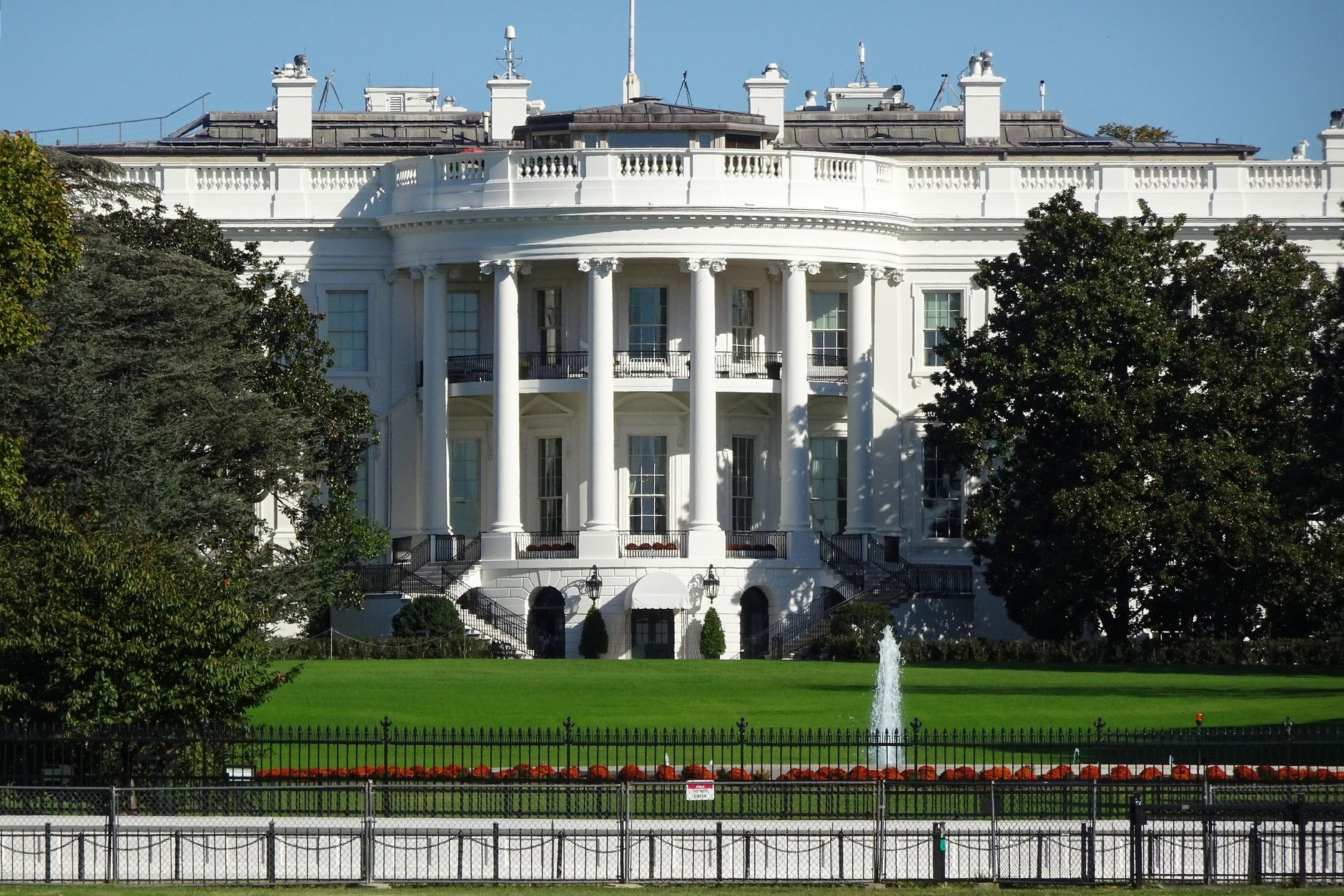
Moving forward, the primary focus for the international community will be on whether the two nations can transition from a military ceasefire to a comprehensive political framework. Observers are watching for signs of public endorsement from the White House, which would signal that the agreement is ready for implementation, as well as any official statements from Tehran regarding the finalization of the text. The coming weeks will be decisive in determining whether this tentative truce evolves into a meaningful shift in bilateral relations.


















Leave a Reply