



A federal law enforcement and military surge aimed at reducing crime in Memphis has yielded a complicated set of outcomes, according to a recent one-year review. While the intervention successfully drove down certain crime statistics, the broader picture involves preexisting local law enforcement victories, a significant influx of outside resources, and serious community allegations regarding racial profiling.
Background of the Federal Intervention
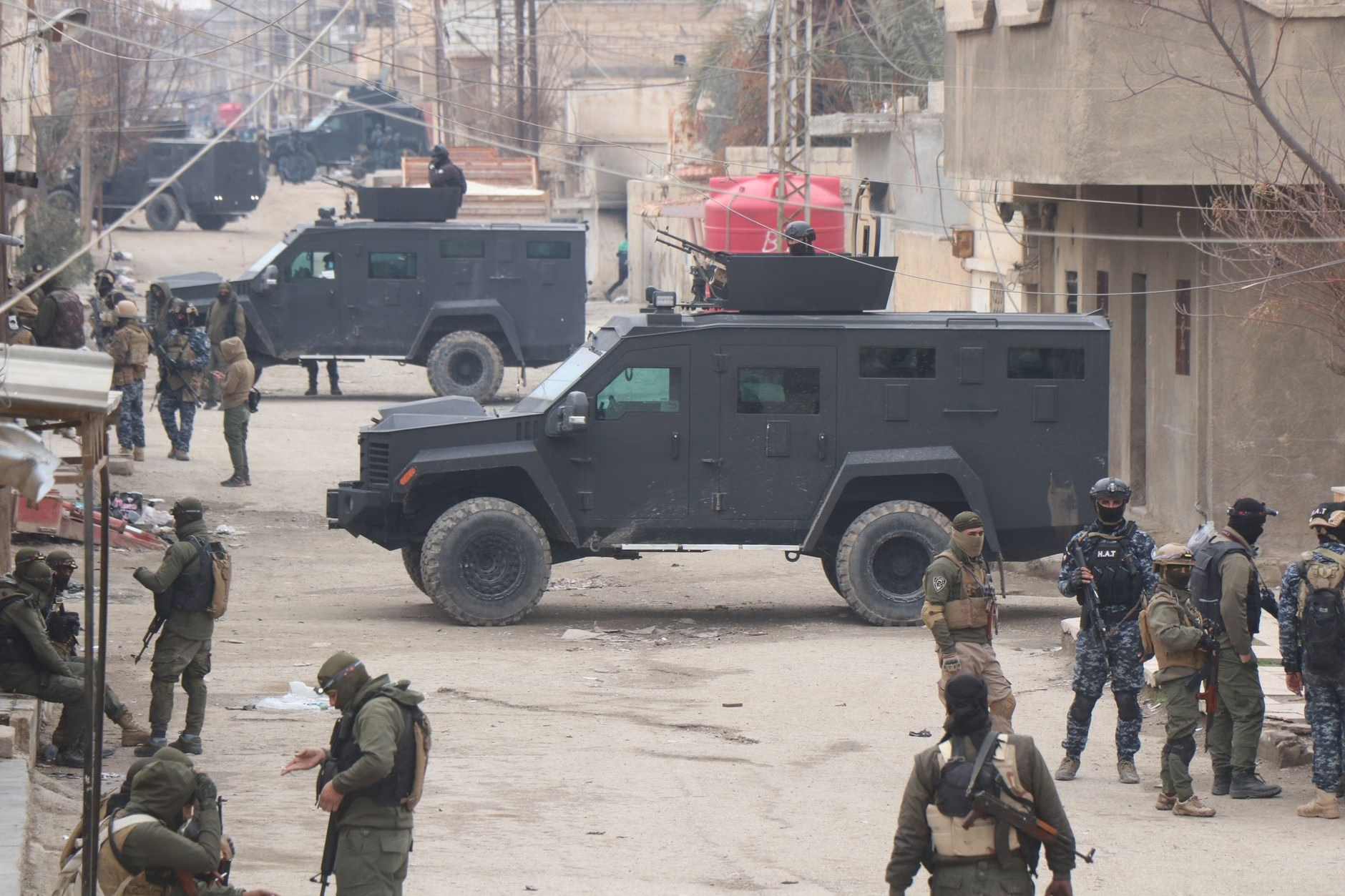
The decision to deploy federal assets to Memphis was framed as a direct effort to restore public safety and curb rising violence. City officials and federal partners pointed to alarming rates of property offenses and violent crimes as justification for extraordinary measures. By introducing military and specialized federal personnel into daily policing operations, the strategy sought to overwhelm criminal networks and stabilize vulnerable neighborhoods.
Assessing the One-Year Impact on Crime
Data gathered over the twelve-month period indicates a measurable drop in specific categories of crime within the targeted zones. Supporters of the surge emphasize these positive shifts as proof that heavy-duty intervention is necessary to reclaim troubled urban areas. However, analysts note that separating the impact of federal forces from ongoing local policing strategies is challenging, especially since Memphis police had already secured some localized crime reductions prior to the deployment.
Community Response and Allegations of Racial Profiling
Despite the statistical dips in crime, the operation faced severe pushback from civil rights advocates and local residents. Critics argued that the heavy presence of militarized units disproportionately targeted minority neighborhoods, leading to heightened tensions and claims of racial profiling. Many community leaders questioned whether the long-term social costs of such an aggressive approach outweighed the temporary statistical benefits.
Balancing Resources and Future Policy
The ongoing debate over the Memphis deployment highlights the delicate balance between public safety and civil liberties. As policymakers review the data from the past year, the central question remains how cities can effectively utilize additional resources without alienating the communities they aim to protect. Future urban crime strategies will likely need to incorporate stronger community oversight to address the friction observed during this high-profile federal intervention.




















Leave a Reply