


Regional Tensions Escalate in the Middle East
Geopolitical tensions across the Middle East have experienced a significant surge following a series of aggressive military actions. Recent security developments highlight an escalation in cross-border hostilities, drawing renewed international concern regarding regional stability and the safety of critical infrastructure.
Attacks on Strategic Infrastructure
The primary catalyst for the latest spike in tensions involves renewed offensive operations directed at strategic targets within the Kingdom of Saudi Arabia. Specifically, critical transport hubs have faced direct threats from airborne projectiles and unmanned aerial vehicles.
Role of Iran-Backed Houthi Rebels
Security analysts and regional monitors have attributed these hostile actions to the Houthi movement operating out of Yemen. Intelligence assessments consistently link the group to external backing, specifically pointing to support from the Iranian government, which has enabled the militant faction to acquire more advanced drone and missile technologies.
Focus on King Khalid Airport
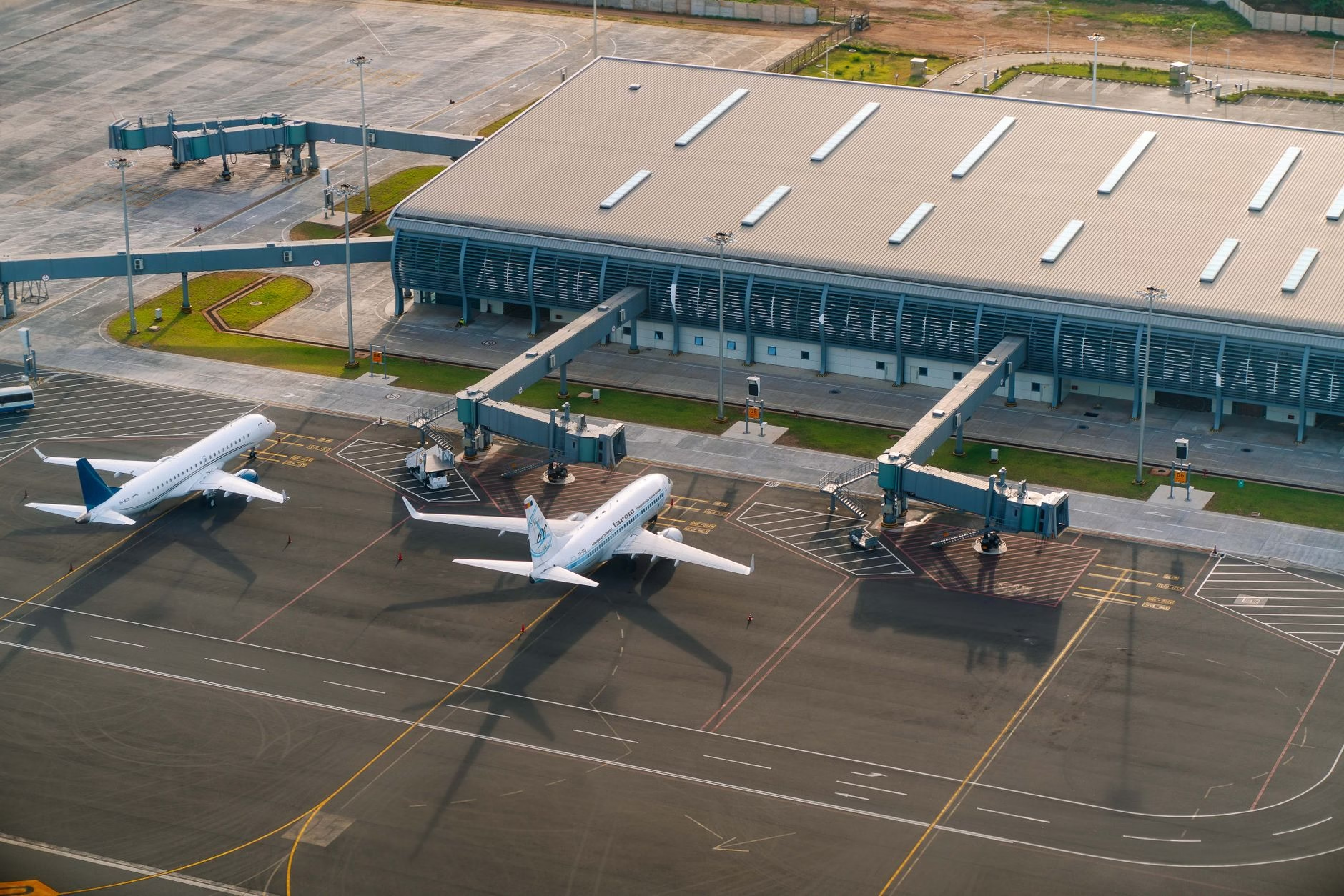
Among the primary targets of these recent operations is the major aviation facility located near the Saudi capital. King Khalid Airport has previously faced similar hostile actions, presenting an ongoing security challenge for regional defense forces tasked with protecting civilian infrastructure and international travel routes.
Broader Implications for Regional Security
The persistent targeting of civilian and commercial hubs underscores the volatile nature of the ongoing conflict in the southern Arabian Peninsula. Defense mechanisms deployed by coalition forces frequently intercept incoming threats, yet the continued frequency of these attacks emphasizes the urgent need for comprehensive diplomatic and security solutions to de-escalate the situation and protect global economic interests.





















Leave a Reply