


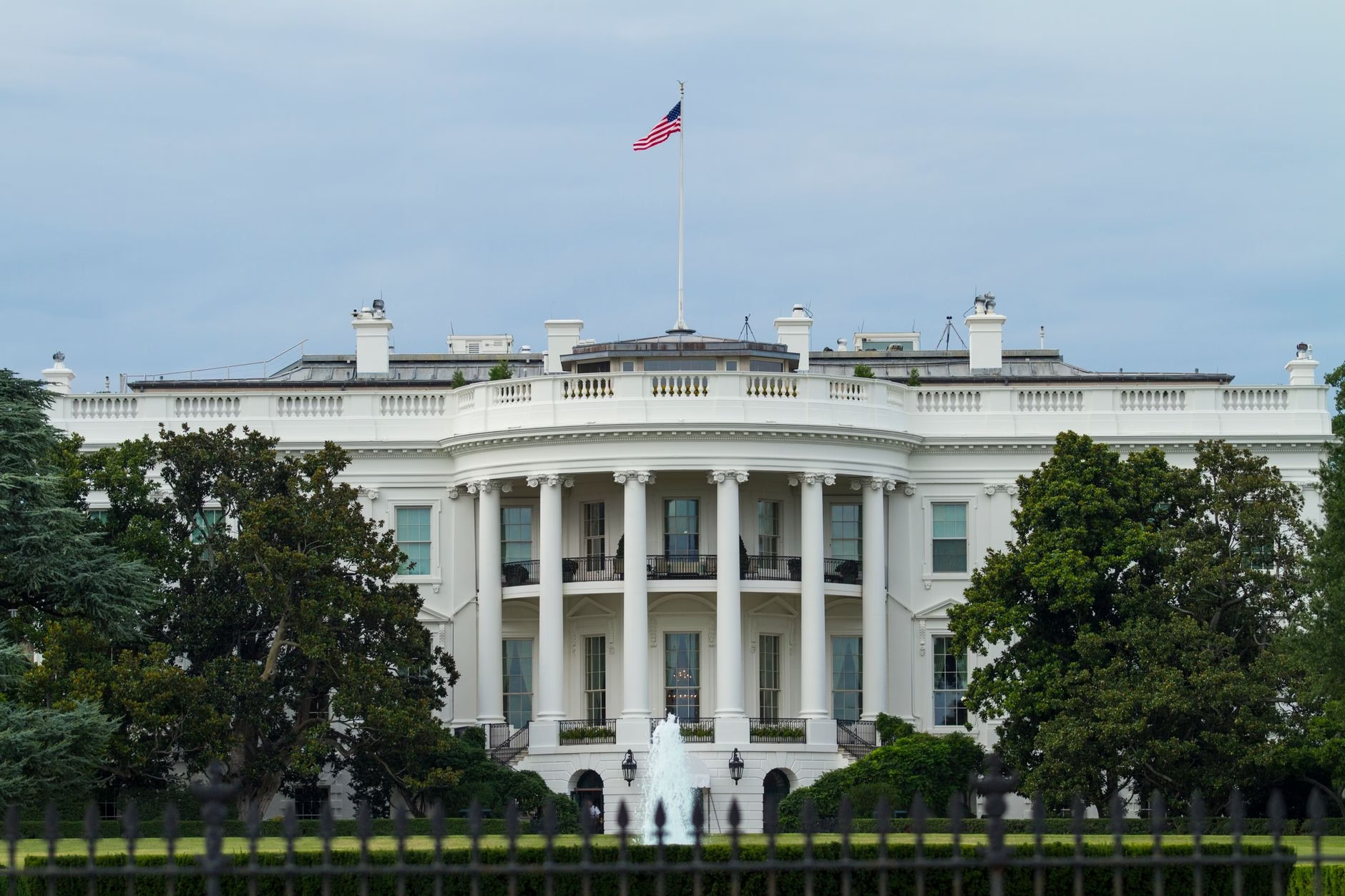
White House Press Restrictions Escale
The relationship between the executive branch and the national media reached a new threshold as the administration implemented strict new limitations regarding access to official briefings. President Donald Trump formally announced a ban preventing reporters from three prominent news organizations from entering the press areas of the White House.
The targeted organizations include CNN, Politico, and MS NOW. According to official statements from the administration, these specific outlets were barred due to their coverage, which the president publicly categorized as fake news. This development marks a significant escalation in ongoing disputes over media reporting and narrative control in Washington.
Implications for Press Freedom
The decision to exclude specific media companies from official government events has sparked immediate discussion among media analysts and political observers regarding the boundaries of press freedom. Historically, access to the White House press corps has served as a cornerstone of government transparency and accountability.
Critics of the administration argue that restricting particular journalists sets a concerning precedent that could undermine the public’s right to receive independent information. Conversely, supporters of the president maintain that the administration holds the authority to determine access based on standards of fairness and accuracy in reporting.
Reactions from the Affected Organizations
Representatives from the banned news outlets have responded by emphasizing their commitment to thorough, factual journalism. Leaders from CNN, Politico, and MS NOW noted that official restrictions will not deter their reporters from covering the administration and pursuing accountability through alternative reporting channels.
Professional journalist associations and watchdog groups have also voiced concerns over the development. Many organizations stress the importance of maintaining an open dialogue between government officials and the press, regardless of political disagreements or editorial viewpoints.
Looking Ahead at Media Relations
As the situation develops, the broader impact on executive communications remains uncertain. The administration has shown a preference for alternative communication methods, including direct engagement with the public through digital platforms and selected interview venues.
Ultimately, the exclusion of major news outlets highlights the changing landscape of political journalism in the modern era. The ongoing tension between traditional reporting institutions and the executive branch continues to redefine how political news is gathered, shared, and perceived by the American public.






















Leave a Reply