


Global Energy Markets Face Growing Strain
Global energy markets are currently experiencing significant turbulence, prompting governments to consider drastic measures. Energy costs have surged to concerning levels, affecting transportation, logistics, and manufacturing sectors across multiple continents. As authorities search for viable solutions to stabilize the market, attention has turned heavily toward fuel reserves and regulatory controls.
The American government has formally approached European allies with an urgent request. Officials are asking these nations to release a portion of their emergency diesel stockpiles. The primary goal of this initiative is to inject additional supply into the global market, which officials hope will help cool down rapidly rising fuel prices that are placing a heavy burden on consumers and businesses alike.
Evaluating Domestic Supply and Export Restrictions
At the same time, policymakers in Washington are weighing even more aggressive interventions. Discussions are actively underway regarding a potential ban on domestic diesel exports. While such a restriction could theoretically preserve more fuel within the country to secure local needs, analysts warn it could also create severe unintended consequences for international trade partners who rely heavily on American energy products.
Energy experts point out that implementing an export ban could disrupt established supply chains and lead to retaliatory trade measures. Furthermore, it might exacerbate shortages in regions that depend on imports, driving prices even higher in other parts of the world. Balancing domestic affordability with international market stability remains a complex challenge for leadership.
The Role of Strategic Stockpiles
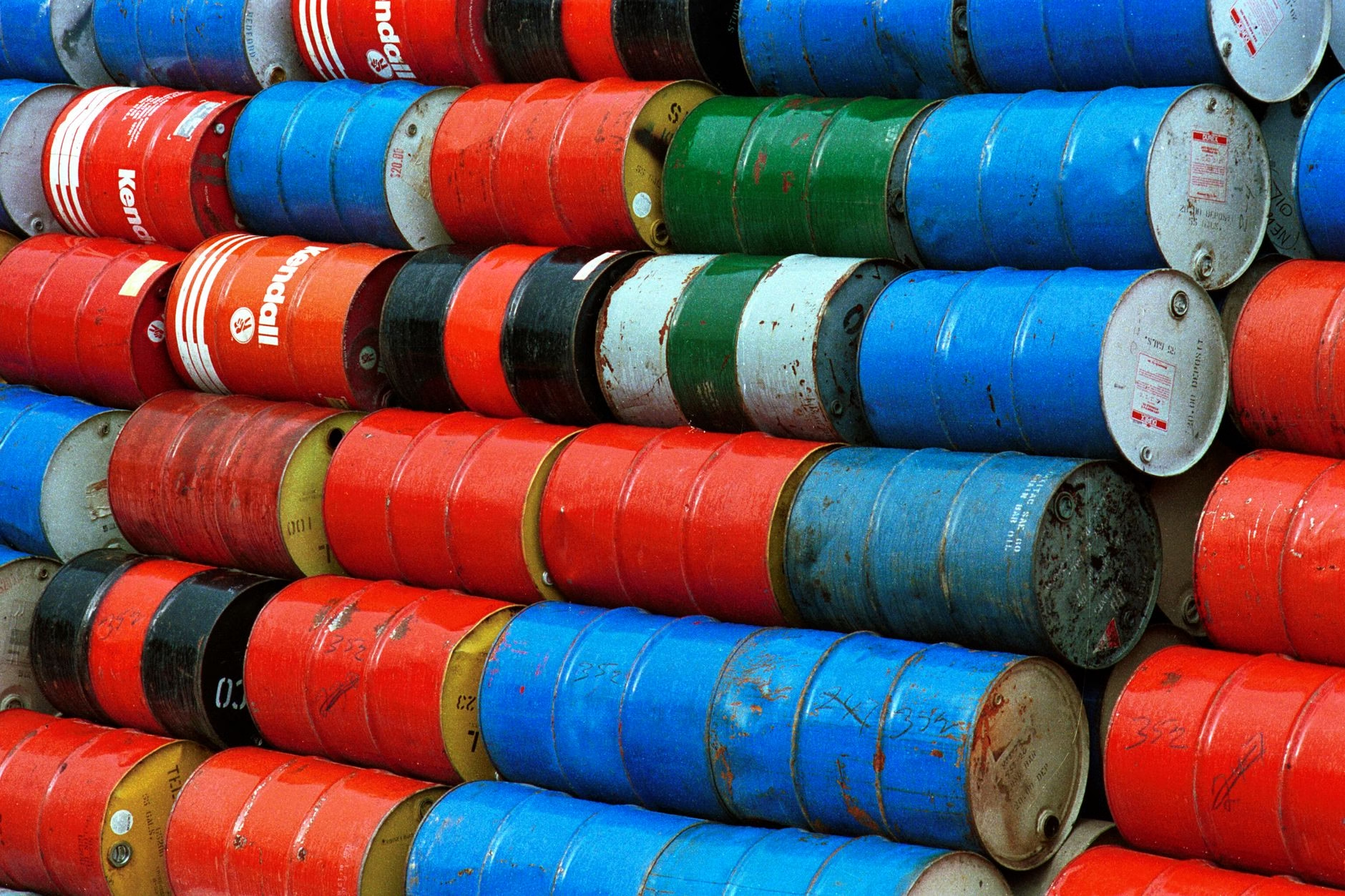
Emergency fuel reserves are typically designed to mitigate severe disruptions, such as natural disasters, sudden geopolitical conflicts, or unexpected supply shocks. Utilizing these strategic stockpiles for price management is a less conventional approach. While releasing these reserves can offer temporary relief by increasing available volume, it also diminishes the safety buffer that nations maintain for genuine emergencies.
European governments are now carefully evaluating the request from their American counterparts. Leaders must weigh the immediate necessity of lowering consumer costs against the long-term risk of depleting reserves that might be desperately needed if conditions worsen. Energy ministers across the continent are holding consultations to determine the most prudent course of action in response to the pressure from Washington.
Implications for Consumers and Businesses
High diesel prices have a cascading effect throughout the economy. Because commercial trucks, cargo ships, railroads, and agricultural machinery rely primarily on diesel fuel, elevated costs quickly translate into more expensive goods for the end consumer. Everything from fresh groceries to manufactured products sees a price increase when fuel expenses rise significantly.
If the coordinated release of strategic reserves moves forward, motorists and business owners could see some relief at the pump in the near term. However, market analysts emphasize that sustainable price stabilization will ultimately require a more balanced equilibrium between global supply and demand. As discussions between international allies continue, energy markets remain highly sensitive to any policy announcements regarding reserves and potential export limitations.






















Leave a Reply