


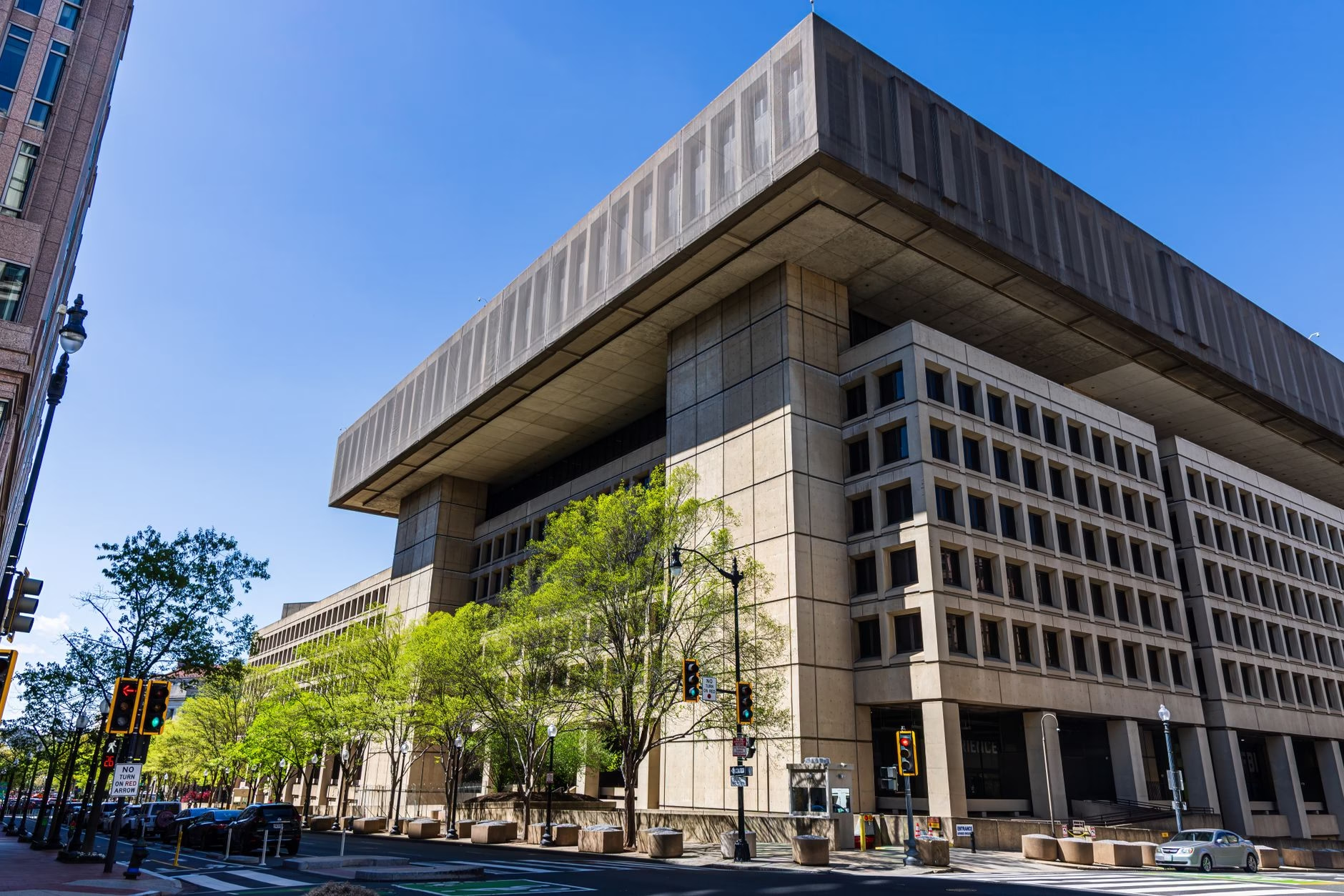
Background of the 2017 FBI Raid
Legal disputes involving federal law enforcement agencies often raise complex questions regarding accountability and civil rights. In a recent decision, a federal appeals court determined that an Atlanta family cannot proceed to trial against the federal government. The case stems from a mistaken law enforcement operation that occurred in 2017.
During the incident, federal agents executed a raid on the wrong residential property in the Atlanta area. Such incidents can cause significant emotional distress and property damage for residents who have no connection to any criminal investigation.
The Legal Battle and Appeals Court Ruling
Following the event, the affected homeowners sought legal recourse by attempting to take the federal government to trial. They argued that the actions of the agency during the mistaken entry warranted a judicial review and financial compensation.
However, the federal appeals court ultimately ruled against the family. The judicial panel concluded that the legal framework governing sovereign immunity and federal tort claims barred the lawsuit from moving forward to a jury trial.
Implications for Accountability in Federal Operations
This ruling highlights the significant legal hurdles individuals face when seeking damages from federal entities. Sovereign immunity typically protects government agencies from lawsuits unless specific statutory waivers apply.
Legal experts note that cases involving mistaken addresses and botched raids frequently result in difficult court battles. Plaintiffs must navigate stringent legal requirements to overcome protections afforded to federal personnel and institutions.
Conclusion of the Proceedings
With the appeals court decision finalized, the family’s path to a federal trial remains closed. The outcome underscores the ongoing debate surrounding accountability, government immunity, and the protection of civil liberties during high-stakes law enforcement operations.

















Leave a Reply