


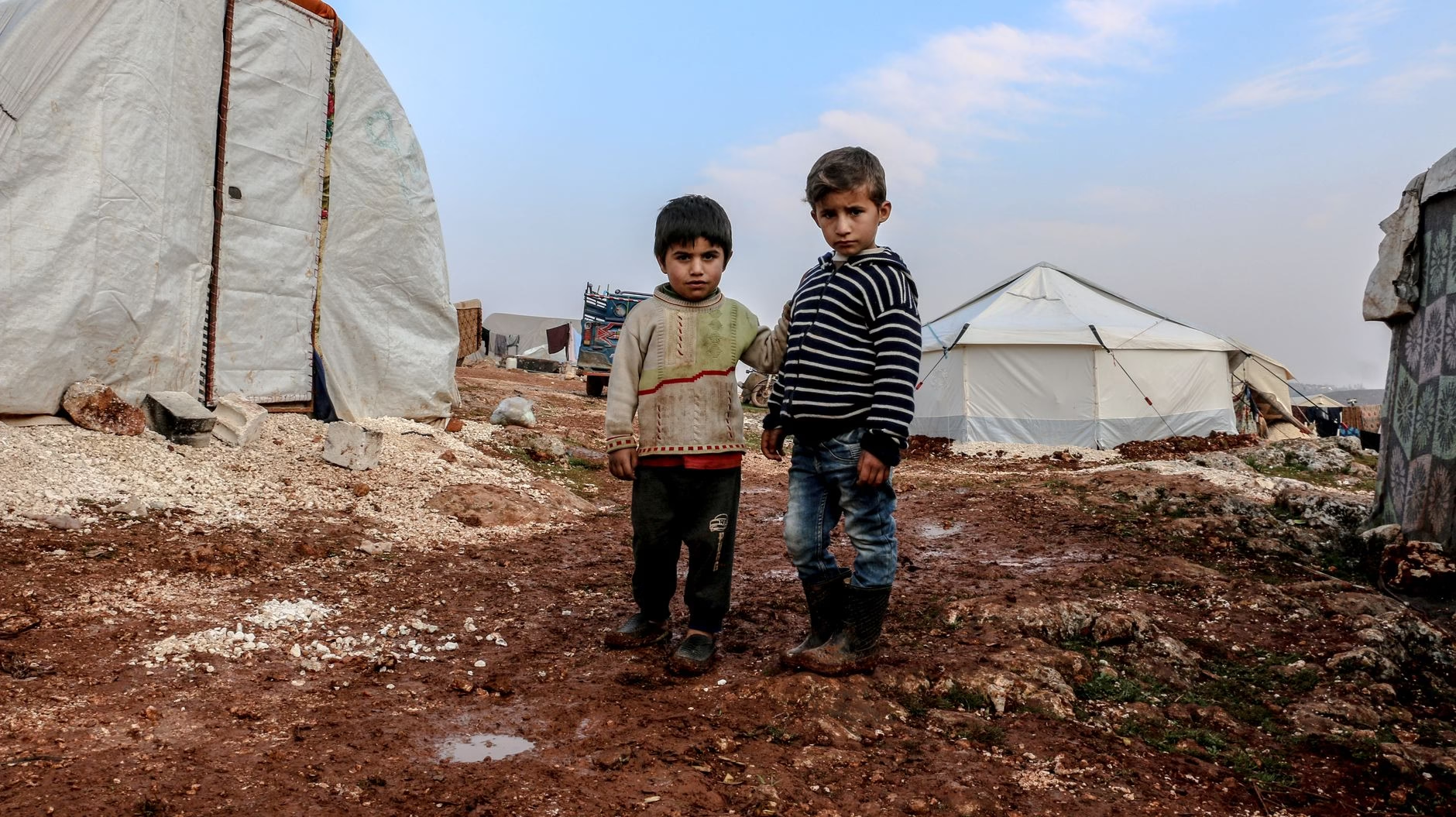
The arrival of unaccompanied migrant children presents a profound humanitarian and administrative challenge for nations worldwide, particularly for the United States. These vulnerable individuals, often having endured arduous journeys and difficult circumstances in their home countries, enter a new environment without the immediate protection of a parent or legal guardian. Upon their arrival, a structured process is initiated to ensure their safety and eventual placement within the country.
A critical component of this process involves releasing these children to vetted sponsors, who are typically family members or other responsible adults residing in the United States. This sponsorship system is designed to provide a stable and supportive environment for the children as they navigate their immigration proceedings and begin to integrate into society. However, the responsibility of the government does not conclude with this initial placement. There is an ongoing commitment to the well-being of these minors, leading to situations where the U.S. government actively seeks to locate children previously released to sponsors. This proactive effort underscores the intricate balance between providing immediate care and ensuring long-term oversight for some of the most vulnerable populations within the immigration system.
The Journey and Initial Care for Unaccompanied Minors
Unaccompanied migrant children are defined as individuals under the age of 18 who arrive in the United States without a parent or legal guardian available to provide care and physical custody. Their journeys are often fraught with peril, driven by a complex array of factors including violence, poverty, natural disasters, and the pursuit of educational or economic opportunities. Upon apprehension, these children are typically transferred into the custody of a designated federal agency responsible for their care.
During this initial phase, the primary focus is on providing safe shelter, medical attention, and educational services. The goal is to ensure the child’s immediate needs are met while efforts are made to identify potential sponsors. This period is crucial for assessing the child’s individual circumstances and preparing them for the next step in their journey within the U.S. system.
The Sponsorship System and Its Purpose
The sponsorship program serves as a cornerstone of the federal government’s approach to caring for unaccompanied migrant children. The fundamental aim is to place these children with individuals or families who can provide a nurturing home environment, ideally with relatives. Sponsors are expected to ensure the child’s attendance at immigration court hearings, enrollment in school, and access to necessary medical and mental health services.
Before a child is released, potential sponsors undergo a vetting process. This typically involves background checks, interviews, and home visits to assess their suitability and capacity to care for a minor. The intention is to confirm that the sponsor can provide a safe, stable, and supportive setting, thereby mitigating risks to the child’s welfare. This system is designed to transition children from federal custody into community-based care, which is generally considered more conducive to their long-term development.
Ensuring Post-Release Well-being
The government’s efforts to locate children after their release to sponsors stem from a deep-seated commitment to child protection and welfare. While the sponsorship program is designed with the child’s best interests at heart, circumstances can change, and unforeseen challenges may arise. The need to locate these children often arises from a desire to conduct welfare checks, confirm their continued safety, and ensure they are thriving in their new environments.
These follow-up initiatives are crucial for verifying that the conditions of sponsorship are being upheld and that the child is not facing neglect, exploitation, or other forms of harm. It reflects an understanding that federal responsibility does not entirely cease upon release, especially given the inherent vulnerability of these young individuals. The government seeks to maintain a degree of oversight to intervene if a child’s well-being is compromised or if their placement becomes unstable.
Challenges in Tracking and Oversight
Locating children after they have been released to sponsors can present significant logistical and administrative challenges. The transient nature of some populations, changes in address or contact information, and the sheer volume of cases can complicate tracking efforts. Maintaining up-to-date records and establishing effective communication channels with sponsors are vital yet often complex tasks.
Furthermore, balancing the need for oversight with privacy concerns and the desire to integrate children into normal community life requires careful consideration. Resources for post-release services and follow-up are often stretched, making comprehensive monitoring a demanding endeavor. These operational hurdles highlight the complexities inherent in managing a large-scale program designed to protect vulnerable minors across diverse geographic locations.
Humanitarian Considerations and Ethical Obligations
The overarching motivation behind the government’s sustained interest in the welfare of unaccompanied migrant children is rooted in humanitarian principles and ethical obligations. Children, regardless of their immigration status, are entitled to protection and care. The government’s actions reflect a recognition of the unique vulnerabilities these children face, having often experienced trauma and displacement.
Ensuring that these children are safe, have access to education, and receive necessary support services is not only a legal imperative but also a moral one. The efforts to locate and check on them are an extension of the commitment to uphold their fundamental rights and provide them with an opportunity for a stable future. This commitment underscores the compassionate aspect of immigration policy, even amidst broader enforcement discussions.
Policy Implications and Future Directions
The ongoing need for the U.S. government to locate unaccompanied migrant children after their release to sponsors highlights areas for continuous evaluation and improvement within the immigration and child welfare systems. It prompts discussions about enhancing sponsor vetting processes, strengthening post-release support services, and developing more robust tracking mechanisms that respect privacy while ensuring safety.
Future policy considerations may focus on increasing collaboration between federal agencies and local child welfare organizations, expanding access to legal aid for children, and investing in community-based programs that can provide ongoing support to both children and their sponsors. The goal is to create a more resilient and responsive system that can better safeguard the well-being of every unaccompanied minor entrusted to its care.
Conclusion
The U.S. government’s proactive efforts to locate unaccompanied migrant children released to sponsors represent a critical aspect of its broader commitment to child welfare within the immigration framework. This complex undertaking involves navigating the intricacies of humanitarian care, administrative oversight, and the inherent challenges of tracking vulnerable populations. By striving to ensure the safety and well-being of these children post-release, the government reaffirms its dedication to protecting some of the most vulnerable individuals who arrive at its borders, seeking refuge and a chance for a better life.





















Leave a Reply