


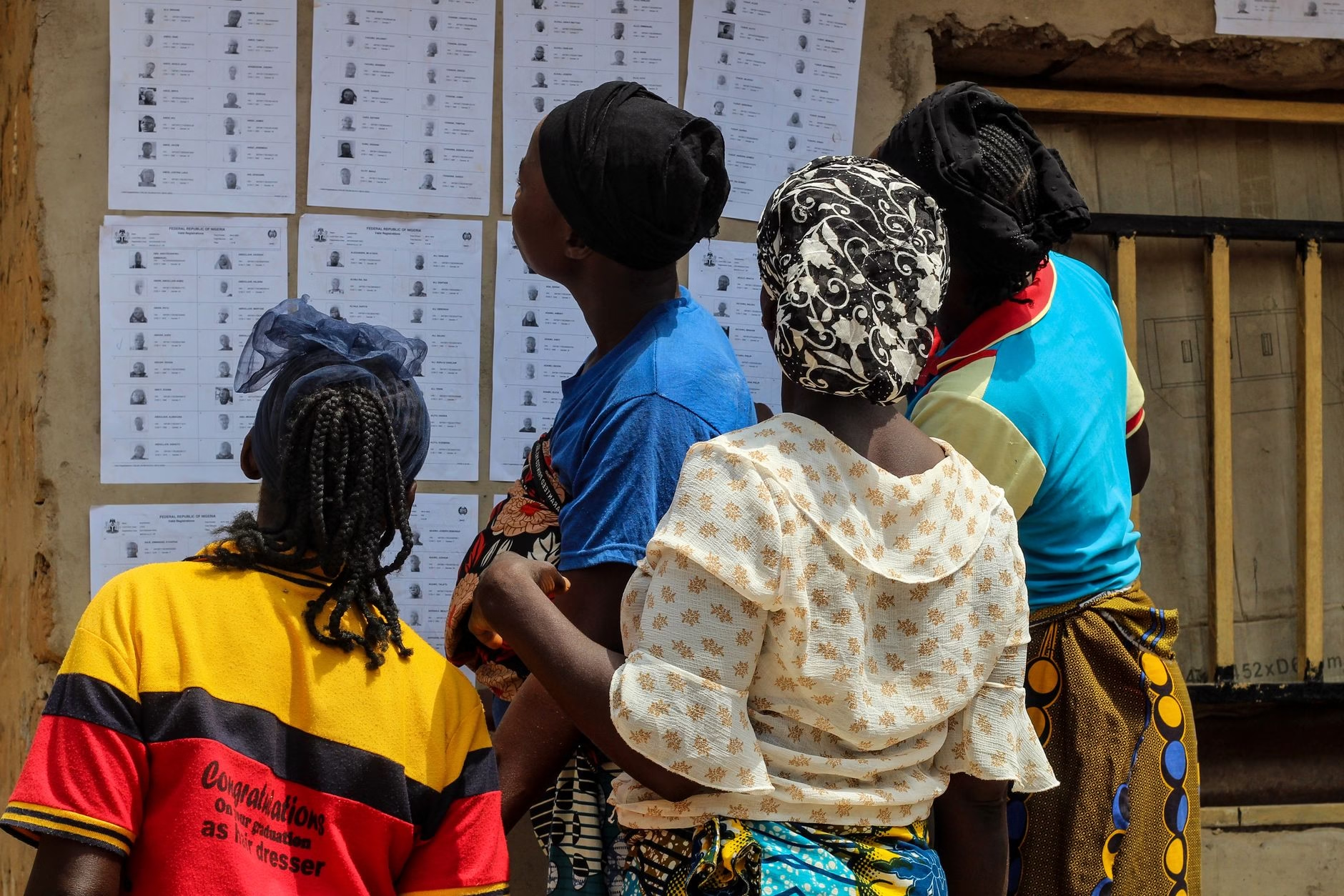
The integrity of democratic processes relies heavily on transparency, public trust, and oversight. When a nation holds major elections, the presence of external monitoring groups often serves as a benchmark for fairness and legitimacy. A recent development involving the executive branch’s approach to midterm elections has brought this topic to the forefront of national and international discussions. By choosing not to invite foreign monitoring delegations, the administration has sparked intense debate among political analysts and governance experts regarding the potential fallout for domestic confidence and international reputation.
Understanding the Role of External Monitoring
External oversight delegations play a unique role in modern democratic systems. Organizations such as the Organization for Security and Co-operation in Europe routinely send teams to various member states, including the United States, to evaluate voting procedures, ballot access, and administrative efficiency. These groups do not interfere with the voting process; rather, they document practices, identify potential vulnerabilities, and issue comprehensive reports after the polls close. Their findings help electoral jurisdictions improve future administration and offer reassurance to the electorate that standards are being met.
Domestic Implications for Public Trust
Within the country, the decision to forgo these independent reviews may influence how citizens perceive the fairness of the electoral process. Trust in public institutions has faced mounting pressures in recent years, making transparent administration more critical than ever. When external entities are barred or simply not invited, critics argue that it removes a layer of accountability that helps quell conspiracy theories and widespread skepticism. Without an impartial assessment from outside observers, verifying the health of the democratic system relies entirely on internal mechanisms, which themselves are frequently subjects of partisan debate.
Global Perceptions and Diplomatic Messaging
Beyond domestic borders, the choice sends a distinct signal to the international community. The United States has historically positioned itself as a champion of democratic norms, frequently dispatching its own experts abroad to ensure other nations adhere to fair voting standards. Declining to participate in reciprocal monitoring can complicate diplomatic messaging. Foreign allies and adversaries alike may interpret the move as a retreat from international accountability standards. This shift could weaken the country’s moral authority when criticizing electoral shortcomings in other parts of the world.
Perspectives from Governance Experts
Political scientists and election administration specialists have expressed concern over the broader ramifications of this policy shift. Many argue that welcoming external evaluation is a sign of confidence rather than weakness. By opening the system to review, a government demonstrates that it has nothing to hide and is committed to continuous improvement. Conversely, restricting access can fuel narratives that the electoral framework is vulnerable to manipulation or that authorities are unwilling to subject their processes to independent scrutiny.
Looking Ahead at Midterm Administration
As the country prepares for the midterm elections, the focus shifts to how local and state officials will manage voting security independently. While federal oversight plays a part, the administration of elections in the United States is largely decentralized, handled by thousands of local jurisdictions. The absence of a coordinated international review means the burden of proof for a secure and fair election rests squarely on these domestic entities. Ensuring transparency at every level of local governance will be vital for maintaining public confidence in the final outcomes.



















Leave a Reply