


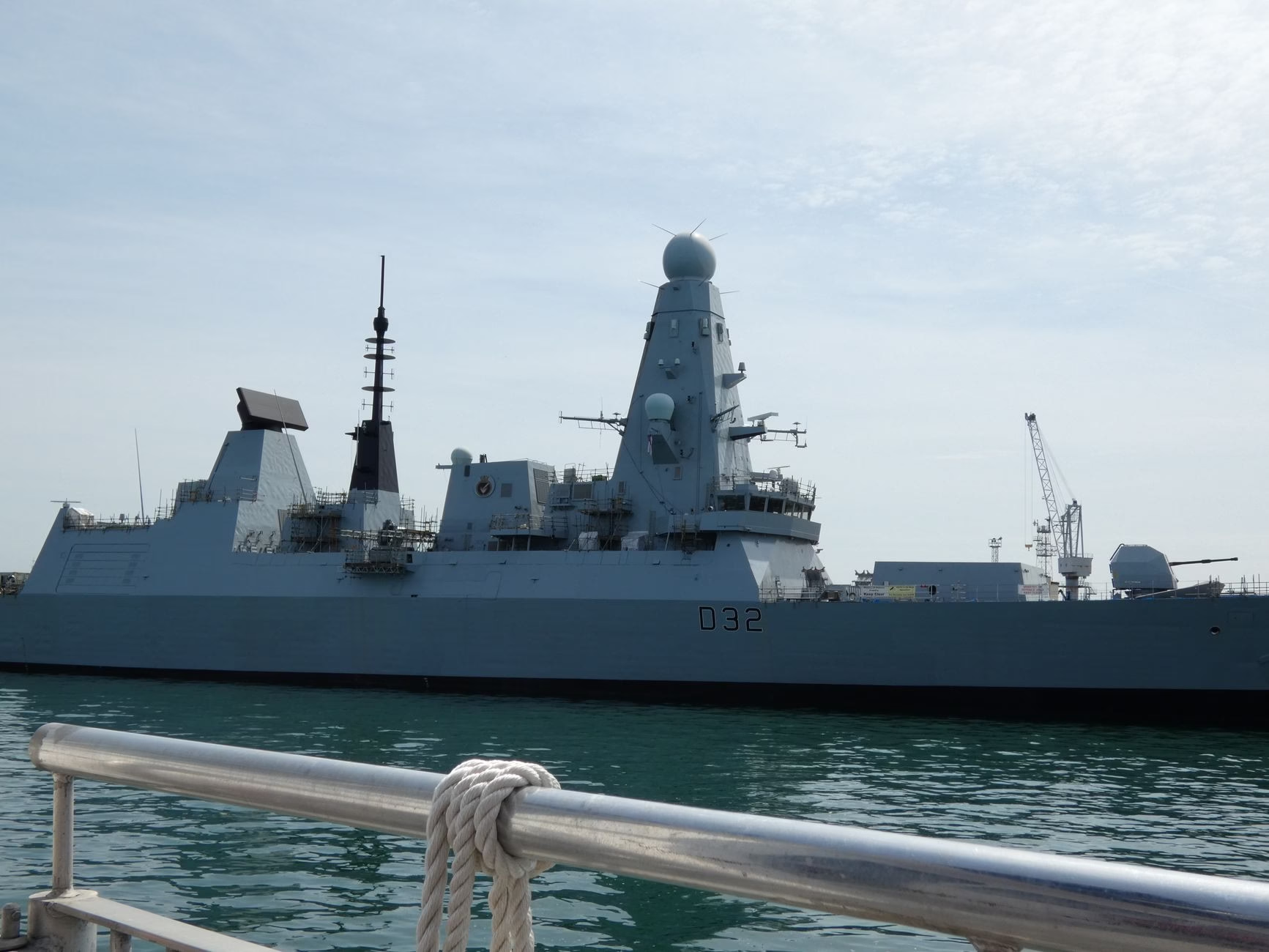
The strategic importance of the northern polar region has once again come under intense scrutiny as British politicians demand immediate action regarding national security. A parliamentary committee recently highlighted significant deficiencies in the maritime capabilities of the nation, warning that current defense postures leave vital interests exposed in the high north.
Shifting Geopolitics in the Polar North
The frozen expanses at the top of the world are undergoing dramatic transformations due to environmental shifts and heightened geopolitical competition. As ice recedes, new shipping routes and untapped natural resources become accessible, drawing the attention of global powers. Among these nations, Russia has notably increased its military footprint, reopening Soviet-era bases and deploying advanced naval assets to the region.
In response to these developments, lawmakers in the United Kingdom have emphasized that the country cannot afford to overlook its northern flank. Protecting strategic sea lanes and ensuring regional stability are paramount for the security of the broader alliance. However, current assessments suggest that the naval forces tasked with patrolling these treacherous waters face severe logistical and operational constraints.
Identifying Critical Gaps in Maritime Forces
The recent parliamentary inquiry focused heavily on the readiness and availability of maritime assets. Lawmakers pointed out that patrolling the unforgiving northern seas requires specialized equipment, ice-strengthened hulls, and personnel trained for extreme weather conditions. Unfortunately, current resource allocations fall short of what is necessary to maintain a persistent and credible deterrent.
Without a more robust presence, experts warn that regional adversaries could project power unchecked, potentially threatening undersea communication cables and critical trade routes. The committee stressed that addressing these shortcomings requires a deliberate and well-funded strategy rather than a reactive approach.
Strengthening NATO and Regional Partnerships
No single nation can secure the vast expanse of the northern polar region alone. Cooperation among international allies remains a cornerstone of defense strategy. Lawmakers underscored the necessity of working closely with allied nations to share intelligence, coordinate patrols, and build interoperable capabilities.
By strengthening collective defense mechanisms within established frameworks, participating nations can better monitor activities in the region and deter potential aggression. Joint exercises and unified operational planning are seen as essential steps to ensure that all members are prepared for any contingency.
The Path Forward for National Defense
As the strategic landscape continues to evolve, the pressure on the government to act is mounting. Policymakers face difficult decisions regarding budget priorities and resource distribution. Yet, ignoring the vulnerabilities in the northern region could carry severe long-term consequences for national security.
The call to action issued by the parliamentary group serves as a stark reminder of the changing nature of modern defense challenges. Ensuring that maritime forces are adequately equipped and prepared for future demands will be a critical test for leadership in the years ahead.






















Leave a Reply