


Diplomatic Tensions Rise in Madrid
Diplomatic relations between Spain and Argentina face severe strain following a recent visit to Madrid by Argentine leader Javier Milei. During his stay in the European nation, the South American president unleashed a wave of sharp verbal criticisms directed at Spain’s progressive Prime Minister Pedro Sanchez. The high-profile visit quickly turned controversial as foreign political rhetoric intersected with domestic European politics.
Political Interference Allegations
Spanish government officials responded swiftly and critically to the remarks made by the visiting leader. Authorities in Madrid formally accused the Argentine president of engaging in unacceptable election interference. Officials characterized his public statements as a disgraceful attempt to sway domestic voters and meddle in the internal democratic affairs of a sovereign European nation.
Calls for Leadership Change
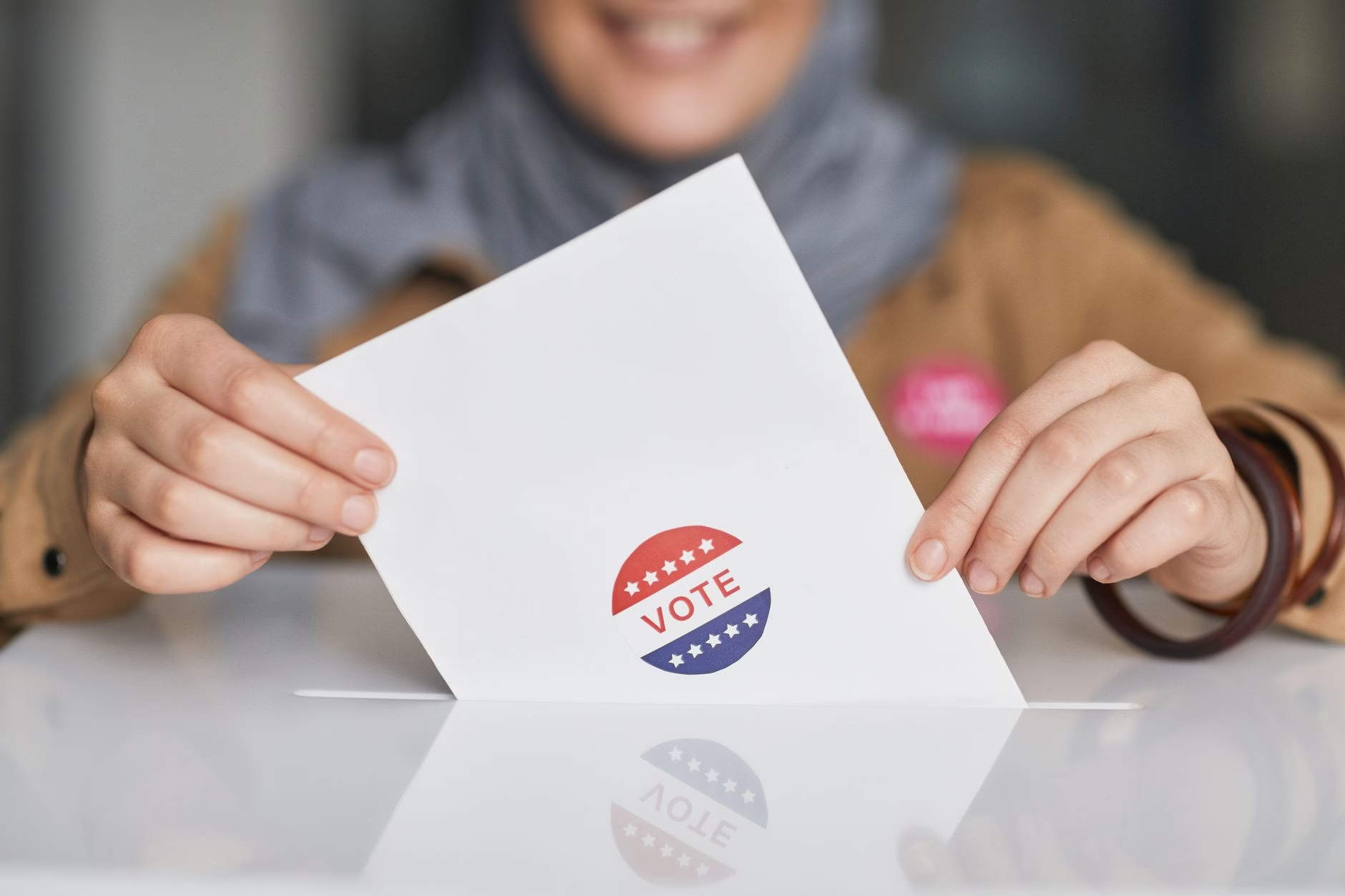
The controversy intensified when the Argentine leader openly urged Spanish citizens to reject the current administration at the ballot box. By directly calling on voters to oust Prime Minister Pedro Sanchez, the visitor crossed traditional diplomatic boundaries that typically discourage foreign heads of state from participating in localized electoral campaigns or endorsing specific domestic political outcomes.
Broader Political Context
The clash highlights a growing ideological divide between progressive governments in Europe and right-wing populist leaders emerging globally. Analysts note that these cross-border political alignments are becoming more frequent, with leaders openly supporting ideological allies in foreign territories despite the potential for diplomatic fallout and strained bilateral relations.
Future of Bilateral Relations
As the political dust settles in Madrid, questions remain regarding the long-term impact on diplomatic and economic ties between the two Spanish-speaking nations. Governments on both sides will need to navigate these heightened tensions carefully to preserve institutional cooperation and mutual interests despite the public friction between their respective leaders.





















Leave a Reply