


Background to the Incident
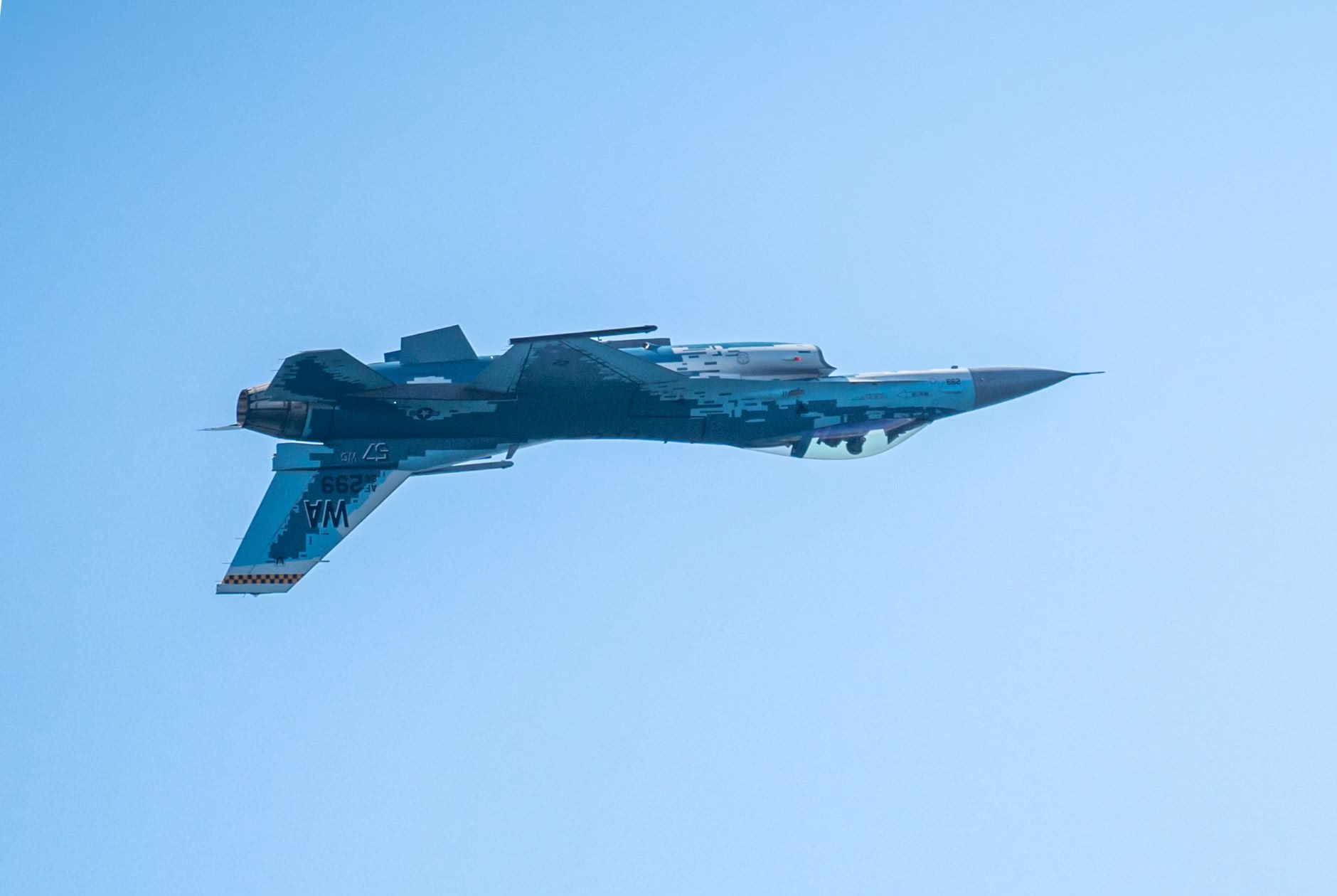
In a recent television interview, one of two American Air Force aviators involved in a dramatic combat incident shared the terrifying reality of their aircraft being targeted. The event, which took place in April, involved a fighter jet being shot down over Iranian territory during a military operation.
The harrowing experience brought international attention to the risks faced by military personnel operating in hostile airspace. While details of the broader mission remain sensitive, the personal accounts provided by the survivors shed light on the split-second decisions required when a routine flight turns into a life-or-death struggle.
Moments of Impact
The aviator described the sudden and violent disruption that occurred when enemy fire struck the aircraft. Without warning, the sophisticated machinery of the fighter jet failed, leaving the crew with virtually no time to analyze the unfolding disaster.
The immediate aftermath of the strike meant abandoning the disabled aircraft. Ejecting from a fighter jet at high speeds subjects the human body to extreme physical forces, and the subsequent descent into enemy territory presented an entirely new set of immediate perils.
Free-Falling Through the Sky
Perhaps the most striking detail shared from the ordeal was the sensation of free-falling through the atmosphere. After clearing the stricken cockpit, the officer experienced a period of isolation high above the ground before the parachute deployed.
This vulnerable window tested the mental and physical resilience of the aviator. Navigating the descent while anticipating capture in a hostile nation required immense composure under extreme pressure.
Survival and Rescue
Surviving the ejection and landing was only the first phase of the ordeal. The subsequent operations required to recover the downed aviators involved coordinated tactical efforts.
Military rescue operations in hostile regions are fraught with danger, demanding precision, bravery, and flawless execution from search and rescue teams. The successful recovery of both officers stands as a testament to the rigorous training and preparedness of modern defense forces.
Reflecting on the Experience
Months after the incident, the opportunity to recount the event offers closure and highlights the unpredictable nature of aerial combat. Modern warfare often focuses on technology, strategy, and hardware, but personal narratives remind the public of the human element behind every uniform.
The willingness to share such a traumatic memory provides valuable insight into the psychological toll placed on service members. It underscores the profound risks inherent in defending national interests across volatile regions of the world.




















Leave a Reply