


Introduction to the Investigation
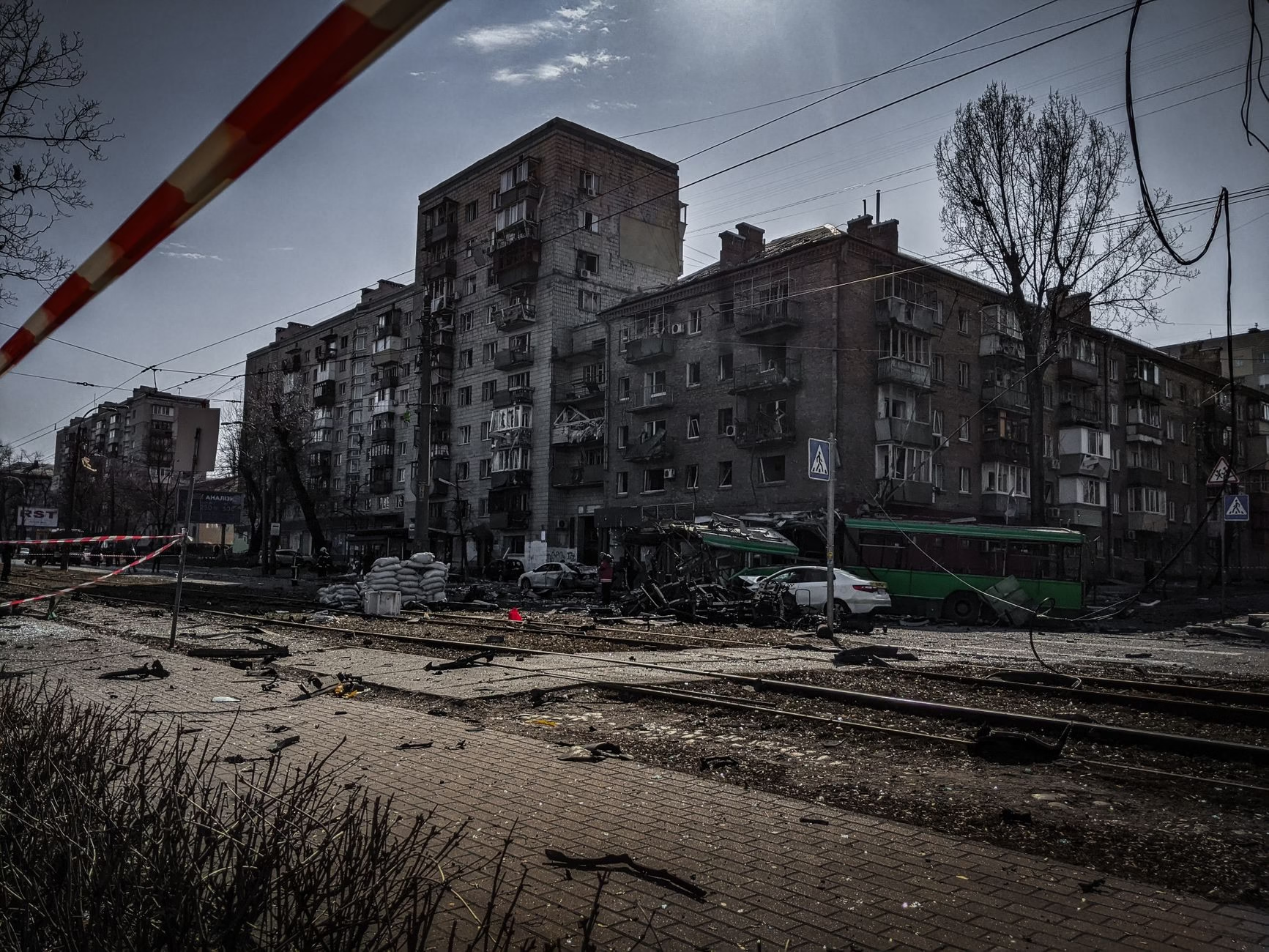
Independent human rights investigators appointed by the top human rights body of the United Nations have announced significant findings regarding military actions in the Middle East. According to their latest reports, there are reasonable grounds to believe that the United States military engaged in actions that constitute war crimes. These serious allegations stem specifically from two separate armed strikes that took place within the territory of Iran.
Details of the Military Strikes
The inquiry focused closely on the operational details and immediate aftermath of two specific incidents involving United States military intervention in Iran. While the broader geopolitical context remains tense, the investigators concentrated their analytical efforts on the proportionality of the force used and the protection of civilian populations during these events. The findings suggest that standard protocols regarding the avoidance of civilian harm may have been breached during the execution of these operations.
Implications and Findings by U.N. Experts
The declaration from the United Nations backed panel marks a critical juncture in international legal accountability. By utilizing the threshold of reasonable grounds, the experts signal that sufficient evidence has been gathered to warrant further formal investigations by judicial bodies. Such findings place increased pressure on international organizations and state actors to review military engagement rules and ensure strict adherence to international humanitarian law.
Legal Framework and International Law
Under international law, military actions must adhere strictly to the principles of distinction, proportionality, and precaution. The human rights experts evaluated the two strikes in Iran against these established legal standards. Their analysis indicates that the impacts on non-combatants and civilian infrastructure exceeded what could be justified under military necessity, thereby triggering potential war crime designations.
Reactions and Next Steps
As the findings are formally presented to the international community, diplomatic and legal repercussions are anticipated. Human rights organizations are calling for comprehensive transparency and accountability from the nations involved. The next phases of the process will likely involve heightened scrutiny from international courts and ongoing monitoring by United Nations bodies to determine whether formal prosecutions or further diplomatic measures will ensue.



















Leave a Reply