


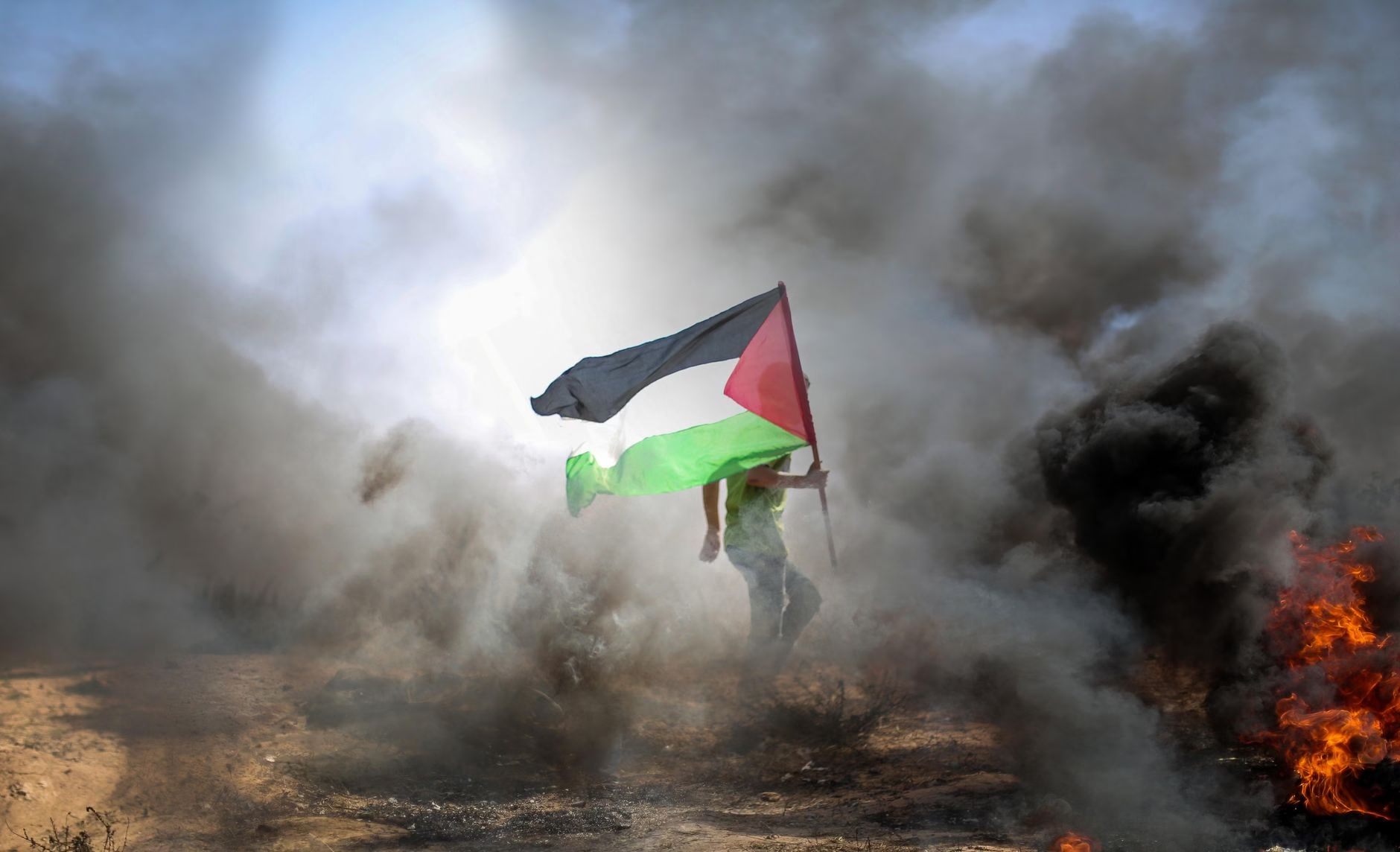
Introduction to Middle East Geopolitics
The complex political landscape of the Middle East remains one of the most critical topics in international relations. Understanding the roots of ongoing tensions requires looking beyond daily news headlines and examining the historical processes that shaped the region. Scholars and historians continually analyze how past governance, borders, and cultural shifts influence contemporary conflicts.
Decoding Regional Tensions
Modern disputes in the region are rarely isolated events. Instead, they represent a continuation of long-standing historical grievances and shifting power dynamics. Analysts emphasize that current geopolitical struggles are deeply tied to historical state-building efforts, foreign intervention, and domestic political transformations over the past century.
The Impact on Global Politics
Developments in the Middle East hold significant weight for global stability. Economic markets, international security, and diplomatic relations are all directly affected by regional outcomes. Leaders and policymakers worldwide rely on historical expertise to navigate diplomatic crises and foster stability in an increasingly interconnected world.
The Value of Historical Literacy
Comprehending the current state of affairs demands a strong grasp of history. Scholars who dedicate their work to examining the region provide essential insights for the public and decision-makers alike. By breaking down complex historical narratives, experts help demystify the forces driving today’s geopolitical challenges.


















Leave a Reply