


The Shift in Glasgow
Glasgow has long held a reputation as a compassionate haven for refugees and asylum seekers within the United Kingdom. For years, the city prided itself on an open culture and supportive local networks that welcomed individuals displaced from various global conflicts and crises.
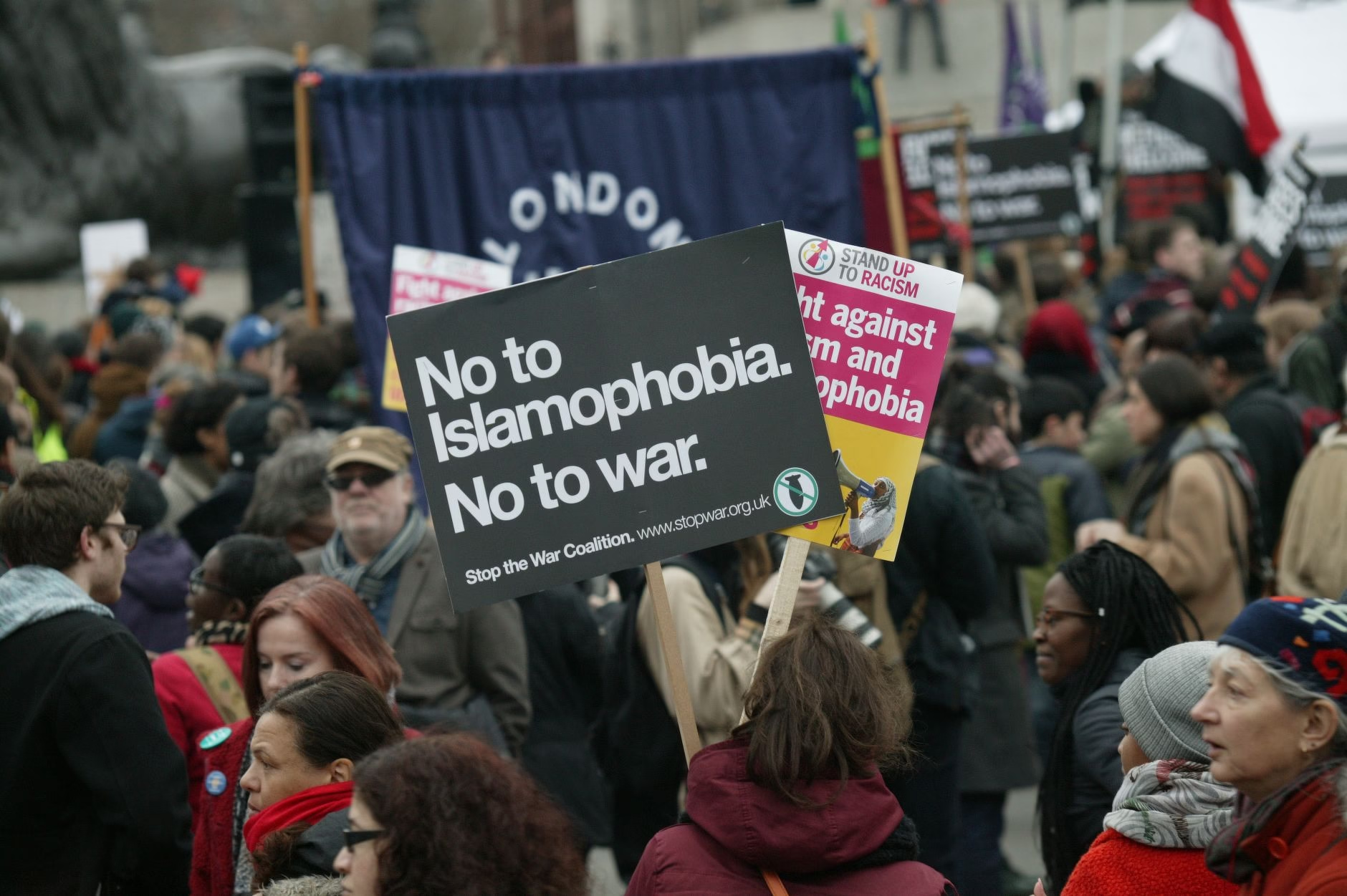
However, recent developments indicate a noticeable shift in the local atmosphere. Anti-immigration demonstrations have begun to increase in frequency and visibility across the urban landscape. This change challenges the long-standing narrative of unconditional hospitality that defined the region for decades.
Examining the Drivers
To understand this transformation, observers are looking closely at the underlying socioeconomic factors fueling public discontent. Growing frustration among residents often stems from pressures on public services, housing shortages, and broader economic anxieties affecting communities throughout the area.
When local populations feel strained by systemic resource limitations, public sentiment can quickly become volatile. These economic pressures create an environment where grievances find a vocal platform, turning general unease into targeted political action.
The Rise of Extreme Groups
As mainstream dissatisfaction mounts, more radical factions are seizing the opportunity to expand their reach. These extreme groups exploit existing anxieties, channeling public frustration toward anti-migrant agendas.
By capitalizing on economic worries and social grievances, such organizations attempt to normalize exclusionary rhetoric and recruit new followers. This dynamic presents significant challenges for local authorities and community leaders striving to maintain social cohesion.
Looking Forward
The rising friction in Glasgow highlights a complex social dilemma facing many urban centers today. Balancing the needs of established residents with the humanitarian obligations toward asylum seekers requires careful dialogue, policy attention, and community engagement.
As the city navigates this transitional phase, the trajectory of these protests will depend heavily on how effectively local and national leaders address the root causes of public frustration while safeguarding the values of inclusion and support.




















Leave a Reply