


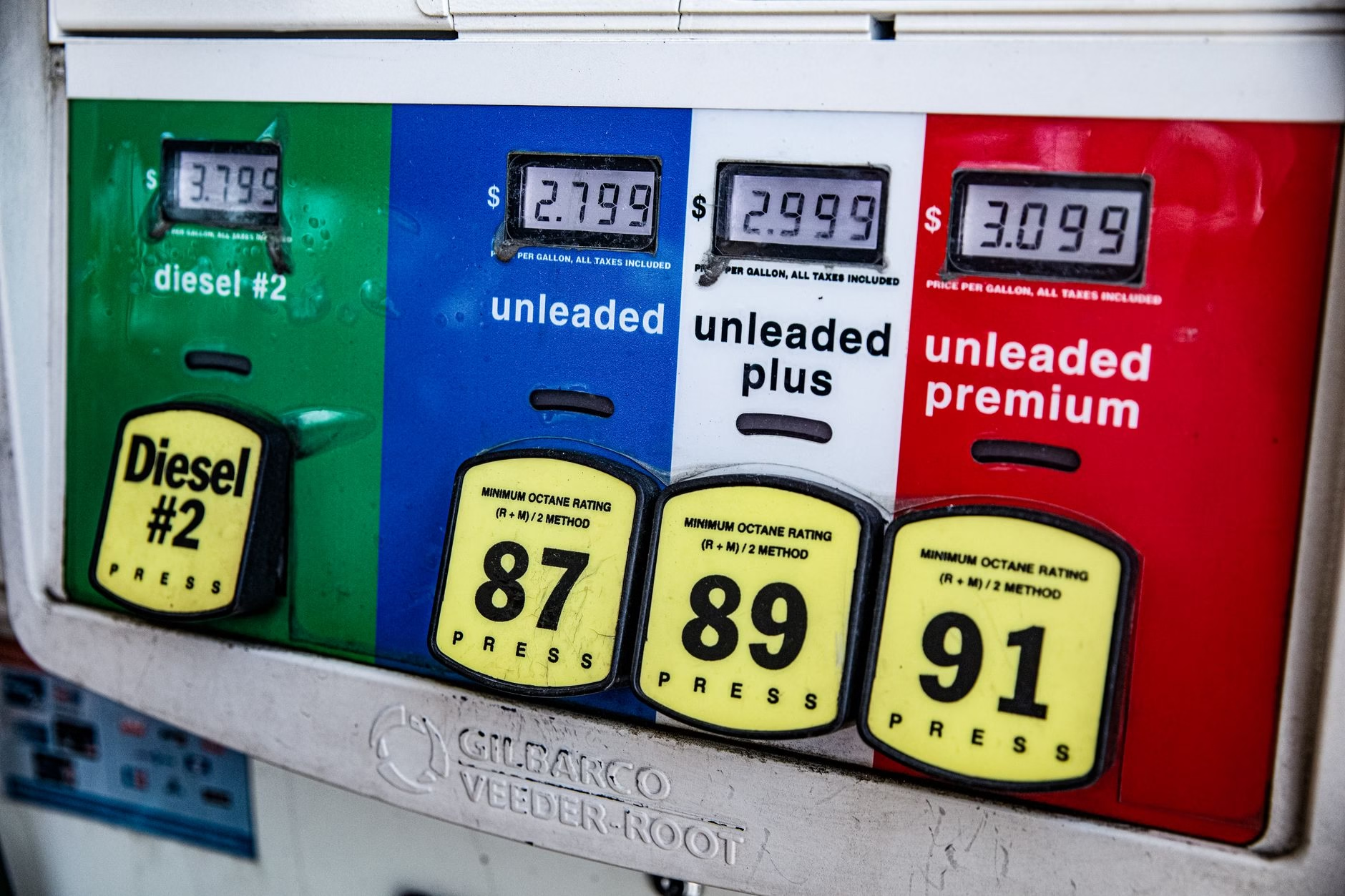
The political landscape ahead of the upcoming midterm elections is heavily influenced by economic pressures, particularly the soaring cost of energy. As voters prepare to head to the polls, fuel costs remain a top concern for households and businesses nationwide. In an attempt to address this persistent supply crunch, the administration has turned toward alternative procurement strategies. However, market analysts and energy experts warn that these latest maneuvers are unlikely to provide meaningful relief at the pump.
The Current State of Diesel Supplies
Diesel fuel plays a critical role in powering the American economy, driving everything from agricultural machinery and long-haul freight trucks to construction equipment and heating systems. Tight inventories have plagued the energy sector for months, keeping wholesale costs elevated and trickling down to everyday consumers. These high expenses contribute significantly to broader inflationary trends, affecting the retail price of nearly every consumer good that requires transport.
Political Pressures and Policy Responses
Elected officials facing imminent electoral tests are acutely aware of how high fuel expenses impact voter sentiment. Historical precedent suggests that governing parties often suffer at the ballot box when voters experience sustained pain at the pump. In response to these political vulnerabilities, the administration has explored various avenues to increase domestic supplies and stabilize the market before voters cast their ballots in November.
Looking to Foreign Markets for Supply
Among the strategies considered to alleviate the shortage is the pursuit of foreign fuel sources, including diesel originating from Russia. While trade restrictions and geopolitical tensions have generally sought to isolate foreign energy sectors, acute domestic shortages sometimes prompt unconventional policy considerations. The strategy aims to inject much-needed volume into the domestic supply chain, hoping that increased availability will eventually translate into lower costs for consumers.
Why Analysts Remain Skeptical
Despite the political motivations behind sourcing foreign fuel, energy market analysts express deep skepticism regarding the potential for price relief. The global energy market operates under complex dynamics where localized supply injections do not always guarantee sweeping price reductions. Experts point out that the volume of diesel potentially secured through these measures may be too small to offset the broader structural deficits currently affecting the market.
Global Factors Influencing Fuel Costs
International demand, refining capacity constraints, and ongoing geopolitical conflicts continue to exert upward pressure on energy prices worldwide. Even if additional product reaches domestic shores, global market forces can easily negate the intended local price drops. Furthermore, logistical hurdles and transportation costs can erode the potential savings before the fuel ever reaches retail stations.
Conclusion on Midterm Energy Impacts
Ultimately, voters looking for immediate relief on their fuel expenses are likely to be disappointed. While policymakers continue to search for short-term fixes to address supply chain bottlenecks, the fundamental drivers of high energy costs remain firmly in place. As the midterm elections approach, the intersection of energy policy and electoral politics continues to highlight the complex challenges of managing national fuel markets.






















Leave a Reply