


Spain remains one of the premier global destinations, consistently drawing millions of visitors eager to experience its rich culture, world-class gastronomy, and breathtaking architecture. However, tourism often concentrates heavily on the dynamic capital of Madrid and the coastal hub of Barcelona. While both metropolises offer undeniable appeal, relying solely on these two locations means missing out on the deeper, more diverse character found throughout the Iberian Peninsula. Venturing beyond the standard tourist trail reveals vibrant urban centers that boast incredible historical significance, architectural marvels, and authentic local traditions without the overwhelming crowds.
Introduction to Alternative Spanish Destinations
When planning an itinerary, travelers frequently gravitate toward the most famous names on the map. Yet, Spain possesses a vast network of regional capitals and historic towns that provide equally compelling experiences. These lesser-known destinations allow visitors to engage more deeply with local communities, enjoy lower costs, and explore remarkably preserved historical sites at a relaxed pace. By looking past the traditional hotspots, modern explorers can uncover a more intimate side of Spanish life.
Valencia
Situated on the country’s eastern coast, Valencia effortlessly combines futuristic innovation with deep historical roots. Although it stands as the third-largest city in the nation, it often takes a backseat to its larger northern neighbor in the minds of international tourists. Valencia is famously the birthplace of authentic paella, making it an essential stop for culinary enthusiasts who want to taste the dish in its native setting. Beyond the dining table, the destination features an extensive urban park created in the former riverbed of the Turia River, spanning miles of green space, gardens, and recreational areas.
Architecture enthusiasts will find plenty to admire here, ranging from the ornate Gothic structures in the old town to the striking, avant-garde designs of the City of Arts and Sciences. This massive cultural complex, designed by renowned architect Santiago Calatrava, offers futuristic museums, an oceanarium, and performing arts venues that contrast sharply with the medieval towers guarding the historic center. Additionally, Valencia provides miles of golden sandy beaches directly accessible from the urban center, offering a coastal escape that rivals any major resort town.
Seville
Located in the sun-drenched southern region of Andalusia, Seville serves as the cultural heartland of traditional Spanish folklore, flamenco music, and architectural splendor. While many travelers include it on their itineraries, it frequently loses out to Madrid and Barcelona as a primary base for international visitors. The city is renowned for its intoxicating blend of Moorish and Christian heritage, best exemplified by the magnificent Real Alcazar palace complex and the sprawling Seville Cathedral, which houses the tomb of Christopher Columbus.
Walking through the winding lanes of the historic Santa Cruz neighborhood reveals whitewashed houses, fragrant orange trees, and hidden plazas filled with local cafes. Seville experiences a vibrant outdoor culture where residents gather late into the evening to socialize in bustling tapas bars. During the spring, the city bursts into life with famous festivals, but its year-round charm lies in its romantic atmosphere, horse-drawn carriages, and stunning plazas such as the Plaza de Espana.
Bilbao
In the lush northern territory of the Basque Country, Bilbao represents a remarkable story of urban transformation. Once a gritty industrial port, the city reinvented itself on the global stage following the opening of the Guggenheim Museum Bilbao in the late nineteen-nineties. Designed by Frank Gehry, the shimmering titanium structure remains an architectural masterpiece and a global symbol of cultural revitalization, drawing art lovers from all corners of the world.
Beyond the museum, Bilbao offers a compelling mix of industrial heritage and modern design, complemented by a legendary food culture. The historic old town, known locally as the Casco Viejo, features narrow pedestrian streets lined with traditional taverns serving pintxos, the Basque region’s celebrated version of tapas. Visitors can easily spend days exploring local markets, contemporary art galleries, and scenic riverside promenades that showcase the region’s distinct identity and pride.
Malaga
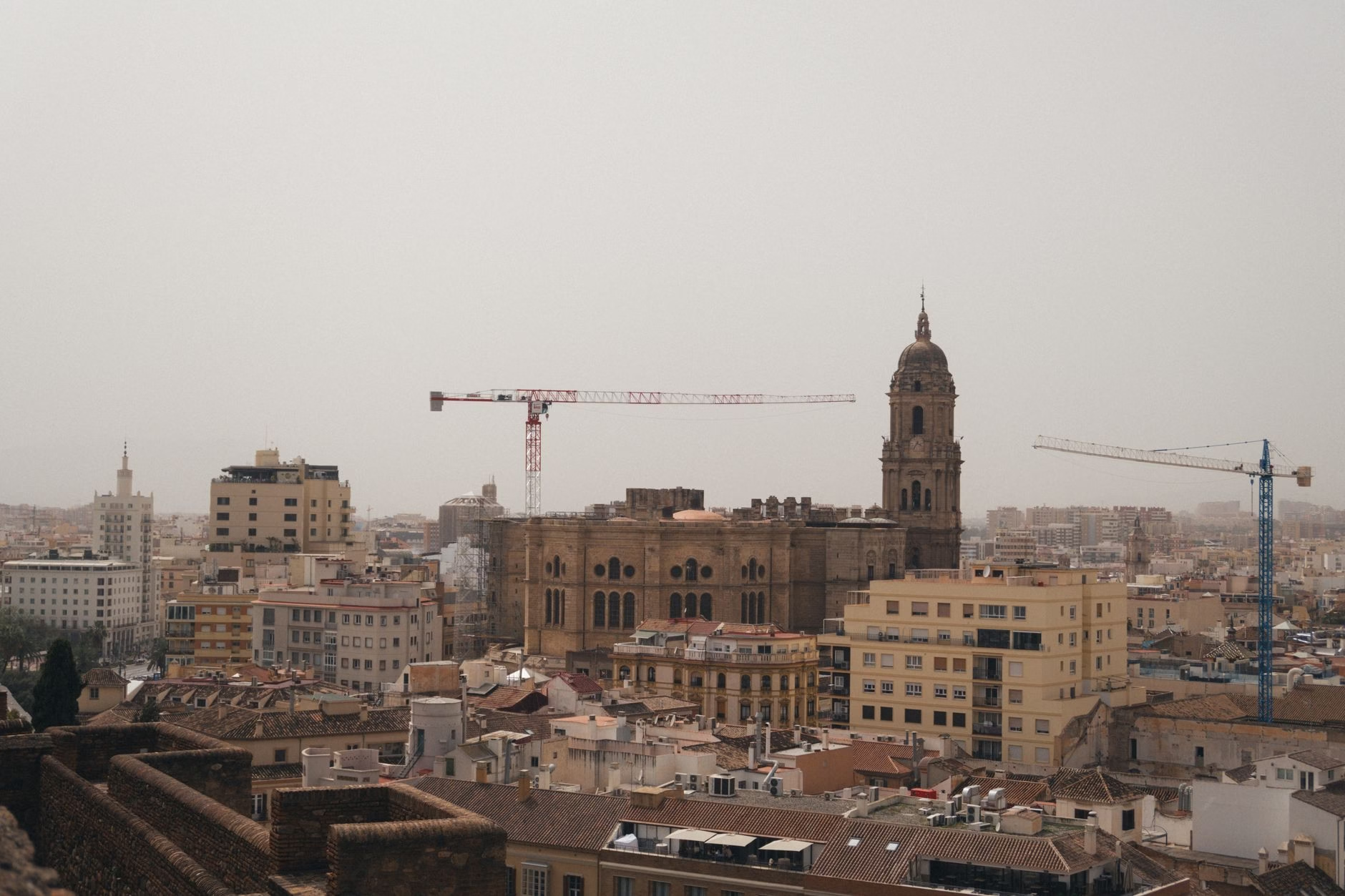
Frequently dismissed merely as a transit point for travelers heading to regional beach resorts, Malaga has evolved into a thriving cultural and artistic destination in its own right. As the birthplace of Pablo Picasso, the city proudly honors its most famous son through the acclaimed Picasso Museum, housed in a stunning sixteenth-century palace. The revitalized port area now boasts modern dining, shopping, and pedestrian walkways that connect directly to the historic center.
History buffs can explore two massive Moorish fortifications, the Alcazaba and the Gibralfaro Castle, which overlook the sparkling Mediterranean Sea and offer panoramic views of the entire coastal region. Malaga provides an ideal balance of urban sophistication and coastal relaxation, featuring bustling food markets, historic churches, and a welcoming atmosphere that encourages visitors to linger and explore beyond the surface.
Zaragoza
Positioned strategically in the northeastern corridor between Madrid and Barcelona, Zaragoza is frequently bypassed by travelers rushing between the two giants. Yet, this historic city boasts over two thousand years of history, reflecting Roman, Moorish, Jewish, and Christian influences across its impressive streetscape. The crown jewel of the destination is the Basilica of Our Lady of the Pillar, a monumental baroque church situated dramatically on the banks of the Ebro River.
The surrounding plaza serves as a lively gathering space for residents and hosts impressive religious processions and cultural events throughout the year. Visitors can also explore ancient Roman ruins, including a theater and forum, scattered throughout the urban landscape. With its rich tapestry of history, excellent regional cuisine, and authentic local vibe, Zaragoza rewards those who take the time to step off the beaten path.
Conclusion
Spain offers far more than its most famous metropolises. By directing attention toward dynamic regional capitals and historic cities, travelers can experience a richer, more varied perspective of the country’s heritage. Whether seeking world-class art, culinary excellence, or architectural grandeur, these five destinations prove that venturing away from the obvious choices yields unforgettable rewards.





















Leave a Reply