


The Power of Student Oral History Projects
Student initiatives often yield profound historical discoveries. When young learners embark on missions to interview World War II veterans, they frequently unlock forgotten chapters of global history. These academic endeavors bridge generational divides, allowing students to record firsthand accounts before those who lived through the era pass away. Through careful questioning and dedicated research, ordinary classroom assignments can transform into vital historical archives that preserve the memories of military personnel and witnesses alike.
Unearthing Forgotten World War II Narratives
Among the many recollections gathered by students, certain accounts stand out due to their historical weight and emotional impact. While mainstream textbooks cover major battles and political decisions, local oral history projects dig deeper into specific, less-documented events. Veterans often share personal anecdotes that humanize the vast conflict, shedding light on the daily realities faced by soldiers and civilians alike. These revelations provide a more nuanced understanding of the war, bringing previously obscured moments of bravery and tragedy back into public awareness.
The Liberation of the Death Train
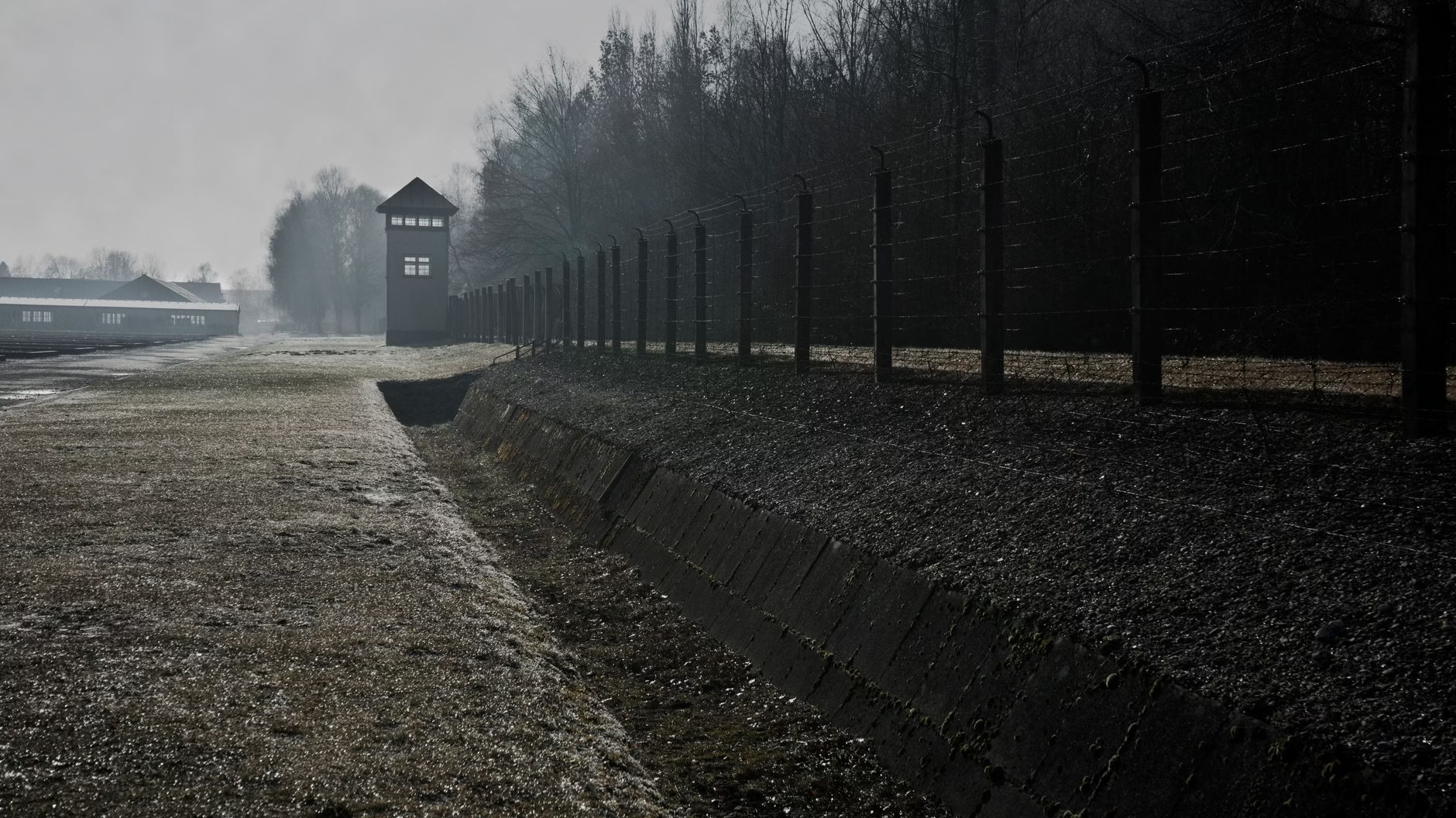
One particularly powerful narrative uncovered through student interviews involves a harrowing rescue operation near the end of the conflict. In April 1945, American military forces successfully intercepted and liberated 2500 Holocaust survivors who had been trapped aboard a transport vehicle commonly referred to as a death train. This dramatic event occurred amidst the final chaotic weeks of the war in Europe, highlighting both the extreme suffering endured by the victims and the crucial intervention of Allied troops arriving just in time.
Preserving History for Future Generations
The rediscovery of the April 1945 train liberation emphasizes the ongoing importance of documenting wartime experiences. As the number of living veterans and survivors continues to decline, relying on recorded testimonies becomes essential for historical education. Student projects demonstrate that valuable historical insights remain hidden in plain sight, waiting to be asked about. By capturing these vital testimonies, communities ensure that the triumphs and tragedies of the past are never forgotten by those who inherit the future.
















Leave a Reply