


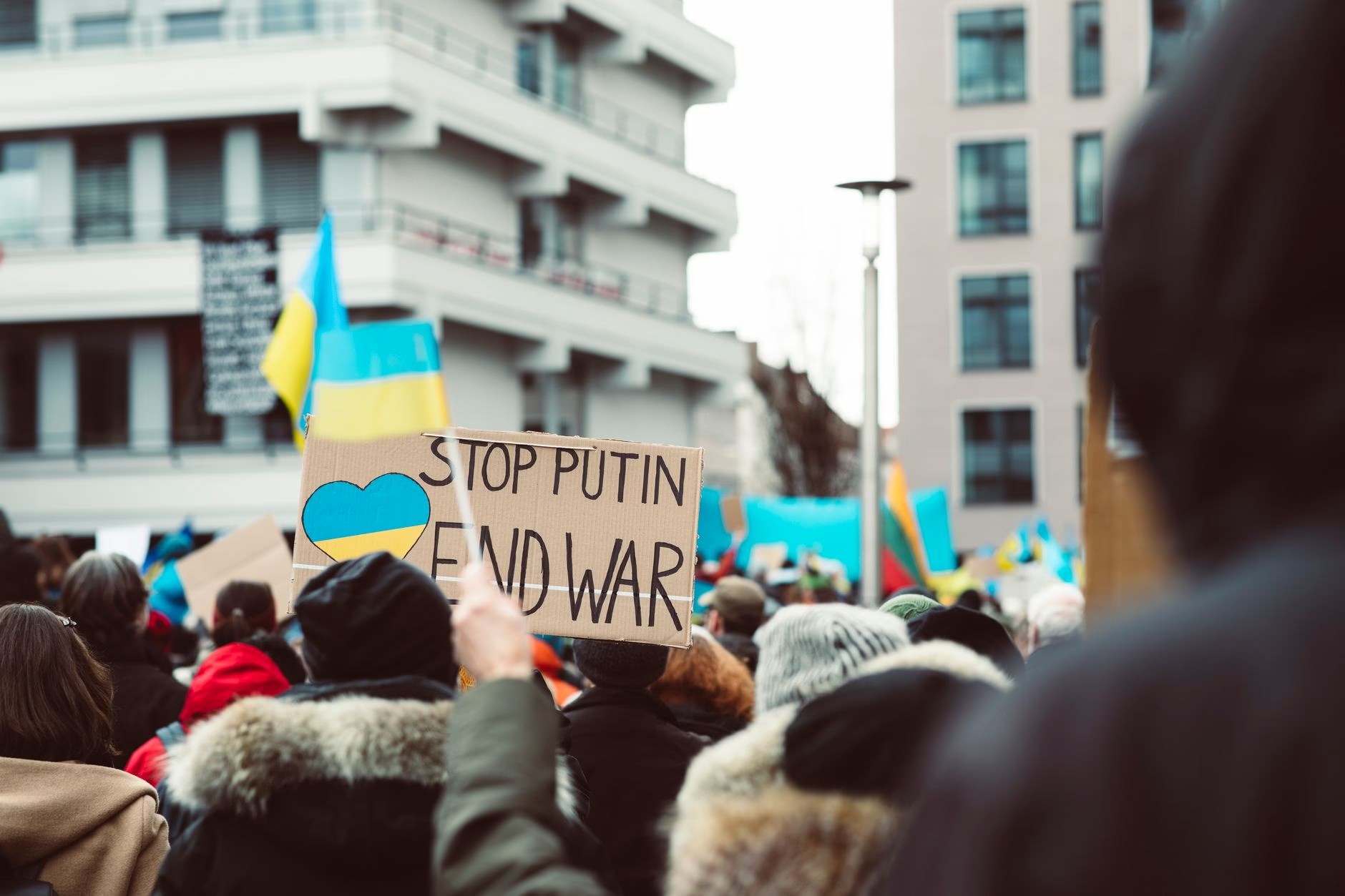
The Political Shift in Germany and Its Impact
Across Germany, individuals who fled the ongoing conflict in Ukraine are watching domestic political developments with mounting anxiety. As regional elections approach, the nationalist Alternative for Germany party continues to climb in popularity. For many displaced Ukrainians who have built temporary lives in German communities, this political shift threatens the security and stability they have fought hard to find.
The local political landscape has transformed significantly over recent years. Parties that once enjoyed unchallenged dominance are now facing intense pressure from political fringes. In regions where the nationalist faction holds strong influence, the rhetoric surrounding immigration, foreign aid, and asylum seekers has grown increasingly hostile. For people who depend on state assistance and legal protection, these shifting political winds are a source of constant daily stress.
Life in Limbo for Displaced Families
Life as a displaced person is inherently complicated, but the added layer of political hostility makes integration even more challenging. Many families have managed to enroll their children in local schools and secure basic employment. However, the underlying fear remains that political changes could instantly strip away their residence permits or drastically reduce the humanitarian aid they receive.
Community leaders note that anxiety is particularly high among those living in eastern German states where the nationalist party enjoys its highest support. People frequently discuss the possibility of needing to relocate to different regions within the country or even consider moving to entirely different European nations if the political climate deteriorates further. The psychological toll of living with such uncertainty cannot be overstated.
Questions Surrounding International Aid
A central pillar of the nationalist platform in Germany involves scaling back financial and military support for foreign conflicts. Proponents of this political view argue that public funds should be redirected toward domestic issues such as infrastructure, education, and inflation relief. Naturally, this perspective directly threatens the social safety nets that current refugees rely on for survival and integration.
For displaced nationals living abroad, these policy proposals represent a direct threat to their future. Many have lost their homes, their businesses, and loved ones in the war. Knowing that a significant portion of the local electorate supports politicians who wish to curtail assistance creates a profound sense of alienation and vulnerability within these communities.
Looking Ahead to an Uncertain Horizon
Despite the growing concerns, many individuals remain determined to make the best of their current circumstances. Local civil organizations and volunteer groups continue to provide essential support, offering language classes, legal counseling, and emotional backing to help newcomers navigate the complex system.
As election day draws closer, the broader community waits with bated breath to see how the political balance of power will shift. The outcome will likely set a precedent not only for the specific region in question but for the entire nation’s approach to foreign policy and humanitarian protection in the years to come.

















Leave a Reply