


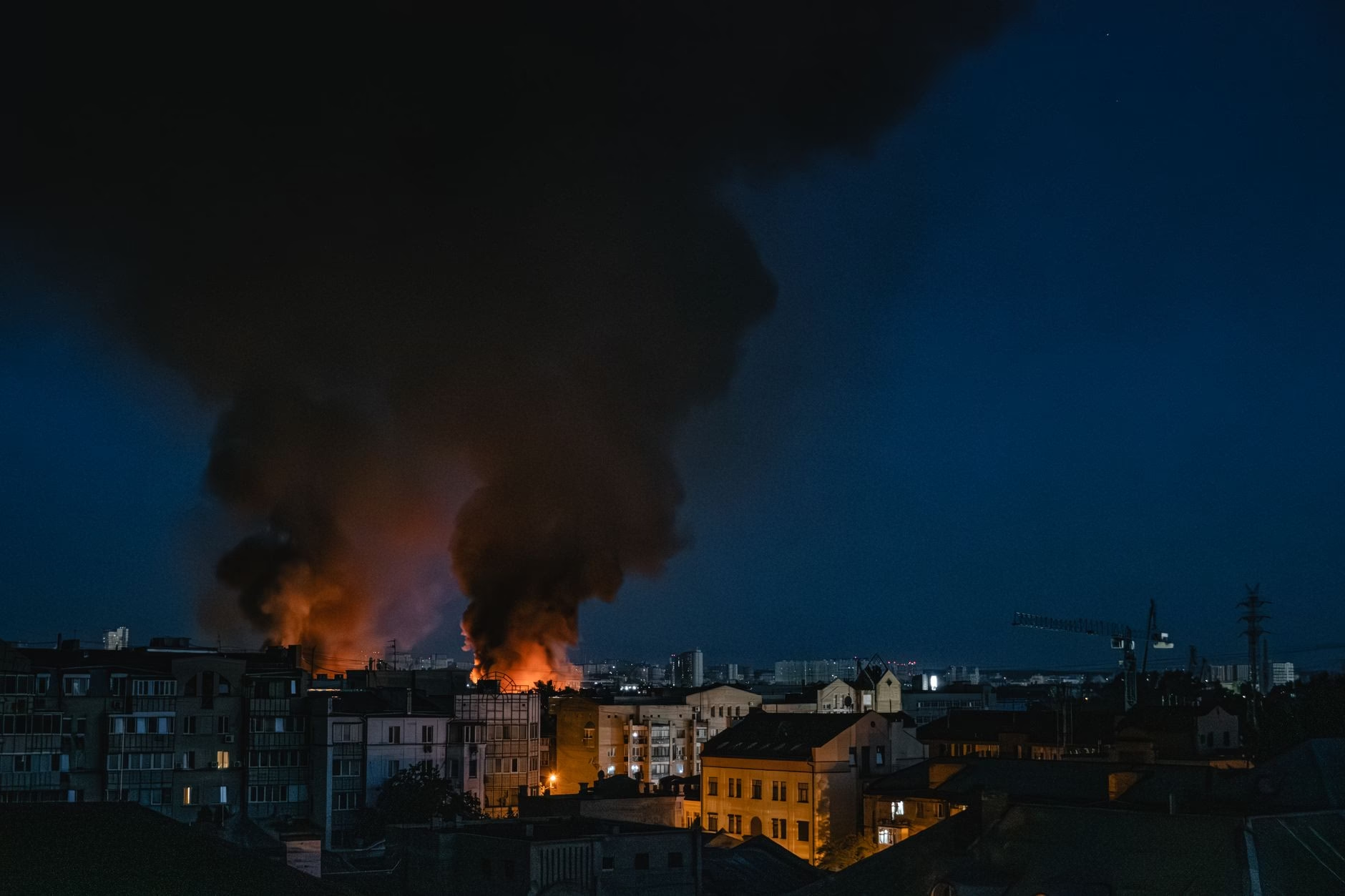
The ongoing conflict between Russia and Ukraine continues to see widespread aerial engagement, with recent overnight drone strikes leading to civilian casualties and injuries on both sides. The persistent exchange of aerial bombardments highlights the relentless nature of the hostilities, which show no immediate signs of slowing down despite international diplomatic efforts and shifting political landscapes. Military analysts note that both nations have increasingly relied on unmanned aerial vehicles to strike targets far beyond the immediate front lines, expanding the geographic scope of the war.
Recent statements from prominent political figures have added a new layer of complexity to the strategic decisions facing leadership in Kyiv. Specifically, commentary has emerged suggesting that military operations targeting energy infrastructure, particularly Russian oil refineries, should be reconsidered. Observers suggest that the rationale behind these remarks involves broader geopolitical calculations and the potential escalation of global energy market disruptions. However, defense strategists in Eastern Europe maintain that striking fuel production facilities is a vital tactic to degrade the logistical capabilities of opposing forces.
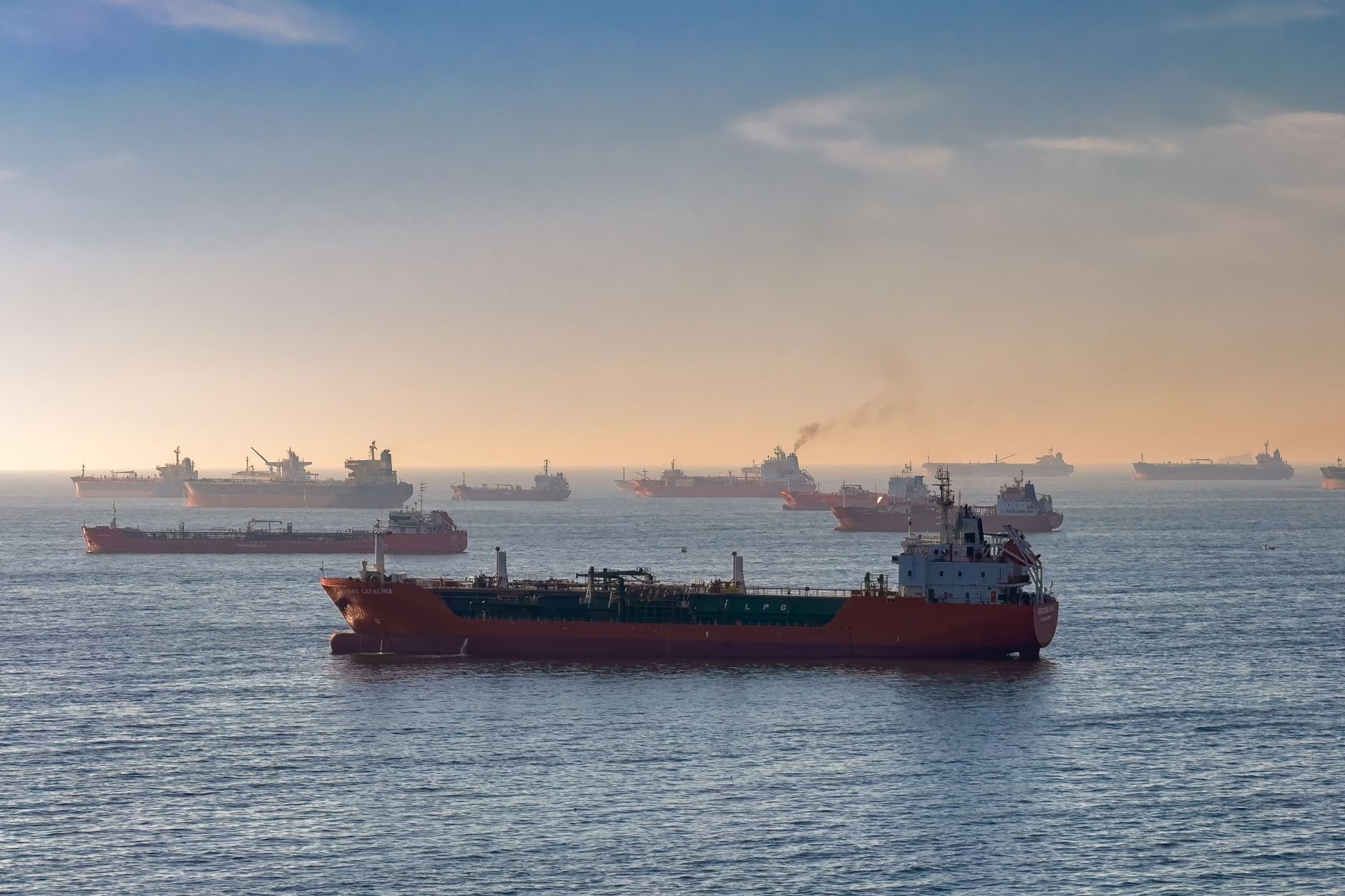
Energy infrastructure has emerged as a central battleground throughout the duration of the conflict. Facilities responsible for refining and distributing petroleum products supply fuel directly to military units operating on the front lines. By targeting these economic and industrial assets, armed forces attempt to create supply chain bottlenecks and reduce the operational readiness of enemy battalions. At the same time, retaliatory strikes frequently target municipal utilities and residential areas, compounding the humanitarian crisis for non-combatants caught in the crossfire.
The human cost of these sustained aerial campaigns remains severe. Emergency services across the region respond continuously to infrastructure damage, fires, and structural collapses caused by falling debris from intercepted drones or direct impacts. International humanitarian organizations continue to express deep concern over the safety of civilian populations, reiterating calls for adherence to international humanitarian law and the protection of non-military zones.
As the war progresses into its next phases, strategic priorities will likely be heavily influenced by international political pressures and resource availability. The debate over whether to limit strikes on critical industrial assets reflects a tension between immediate military objectives and long-term diplomatic outcomes. With neither side securing a decisive advantage on the battlefield, the reliance on long-range drone technology is expected to persist, continuing to shape the daily reality of the conflict for millions of people.




















Leave a Reply