



Diplomatic efforts in the Middle East have encountered a major roadblock following recent developments regarding regional security and military posture. Political analysts and international observers are closely monitoring the situation as official channels report a rejection of proposed terms aimed at halting hostilities. The recent breakdown in diplomatic dialogue highlights the fragile nature of stability in the region.
Background on Regional Escalation
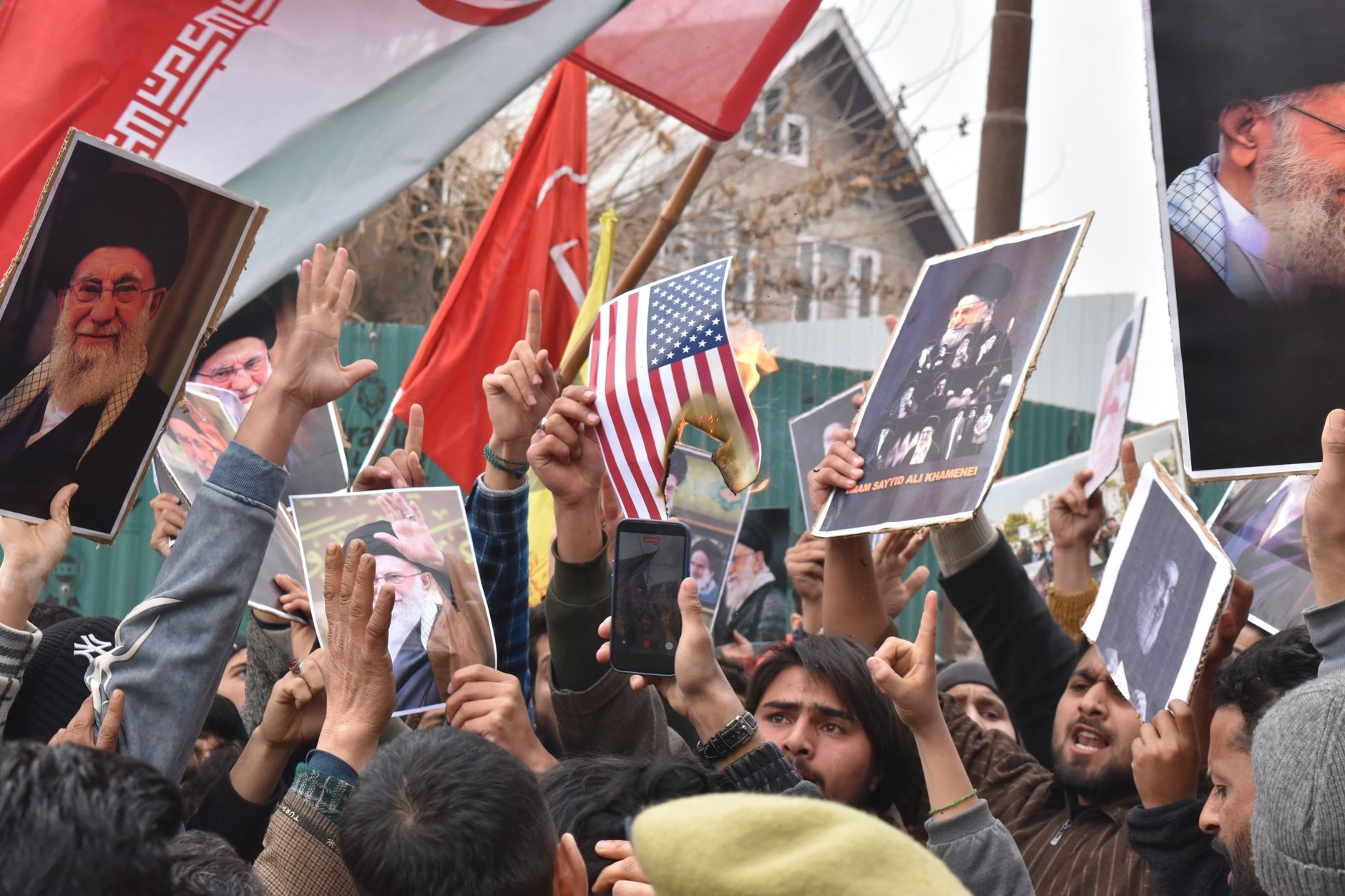
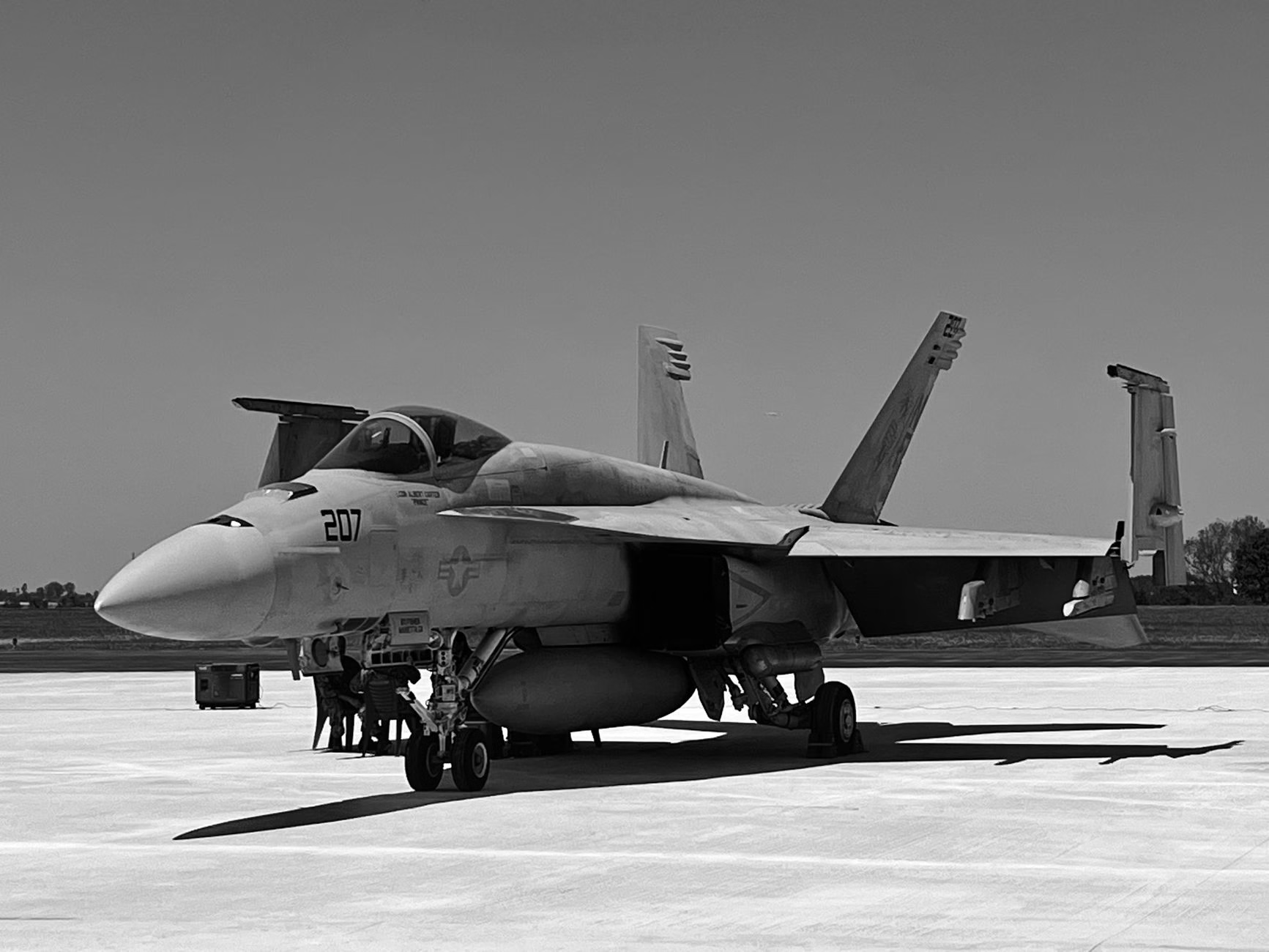
Tensions have steadily accumulated over recent months, marked by periodic security incidents and heightened military readiness across multiple borders. Strategic positioning by various actors has kept international diplomacy on high alert. The ongoing friction involves multiple regional and global stakeholders, each navigating complex security dilemmas and strategic interests.
Recent reports indicate that diplomatic overtures presented through intermediary channels failed to meet the strategic criteria required for acceptance. Consequently, the standoff continues without an immediate resolution in sight. Analysts suggest that the lack of consensus on fundamental terms remains the primary barrier to any meaningful de-escalation of the current crisis.
Defense Interceptions and Security Measures
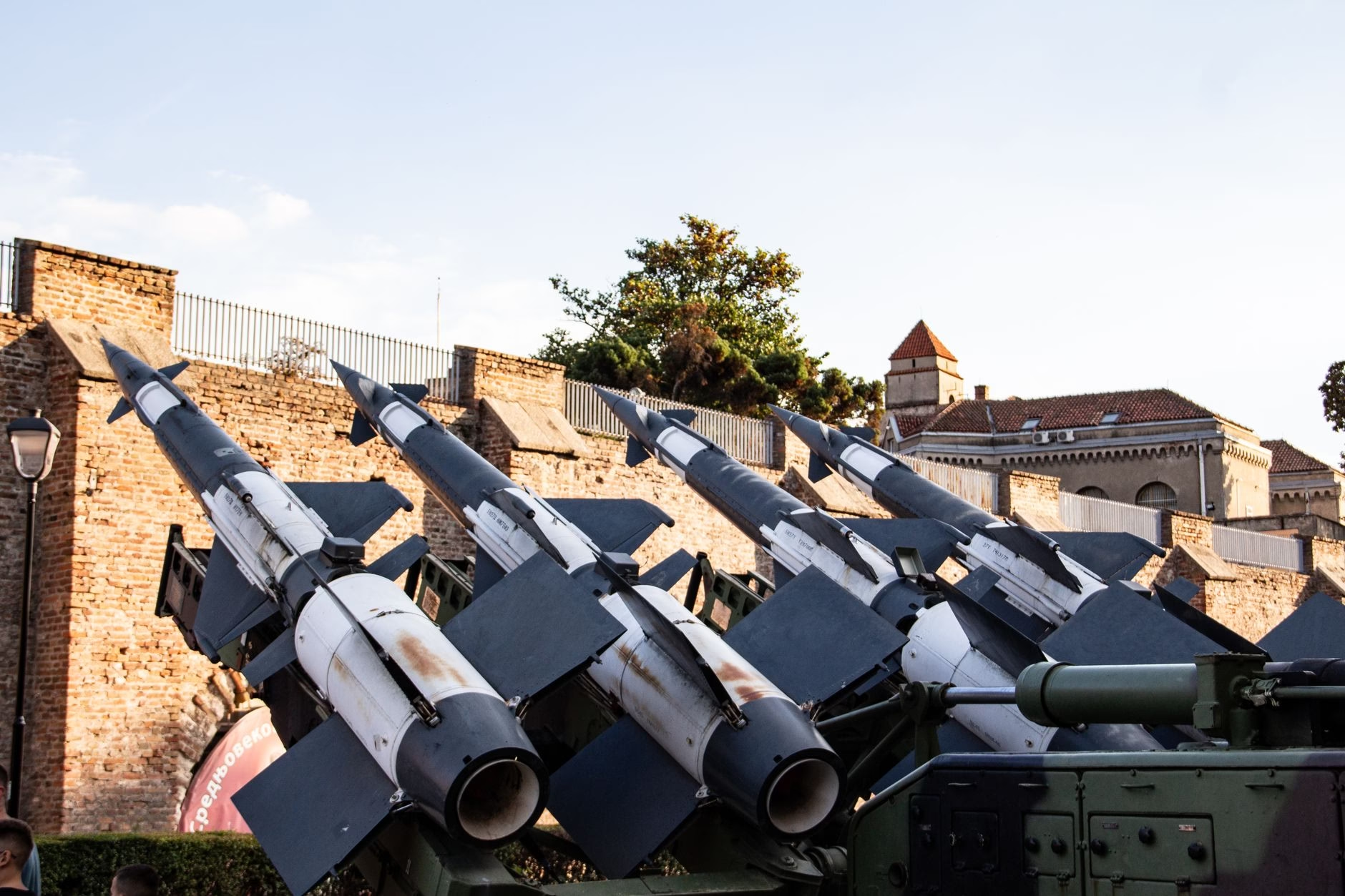
Security forces in the region remain on maximum alert following confirmed reports of intercepted projectiles targeting strategic infrastructure. Defense networks successfully neutralized the incoming threats before they could impact critical assets. These defensive actions underscore the advanced preparedness of regional security apparatuses amidst ongoing regional friction.
The interception events have further complicated diplomatic engagements, shifting focus toward immediate defense capabilities and force protection. Military officials continue to assess the origin and trajectory of the neutralized threats to determine appropriate defensive postures moving forward.
Future Outlook and Strategic Implications
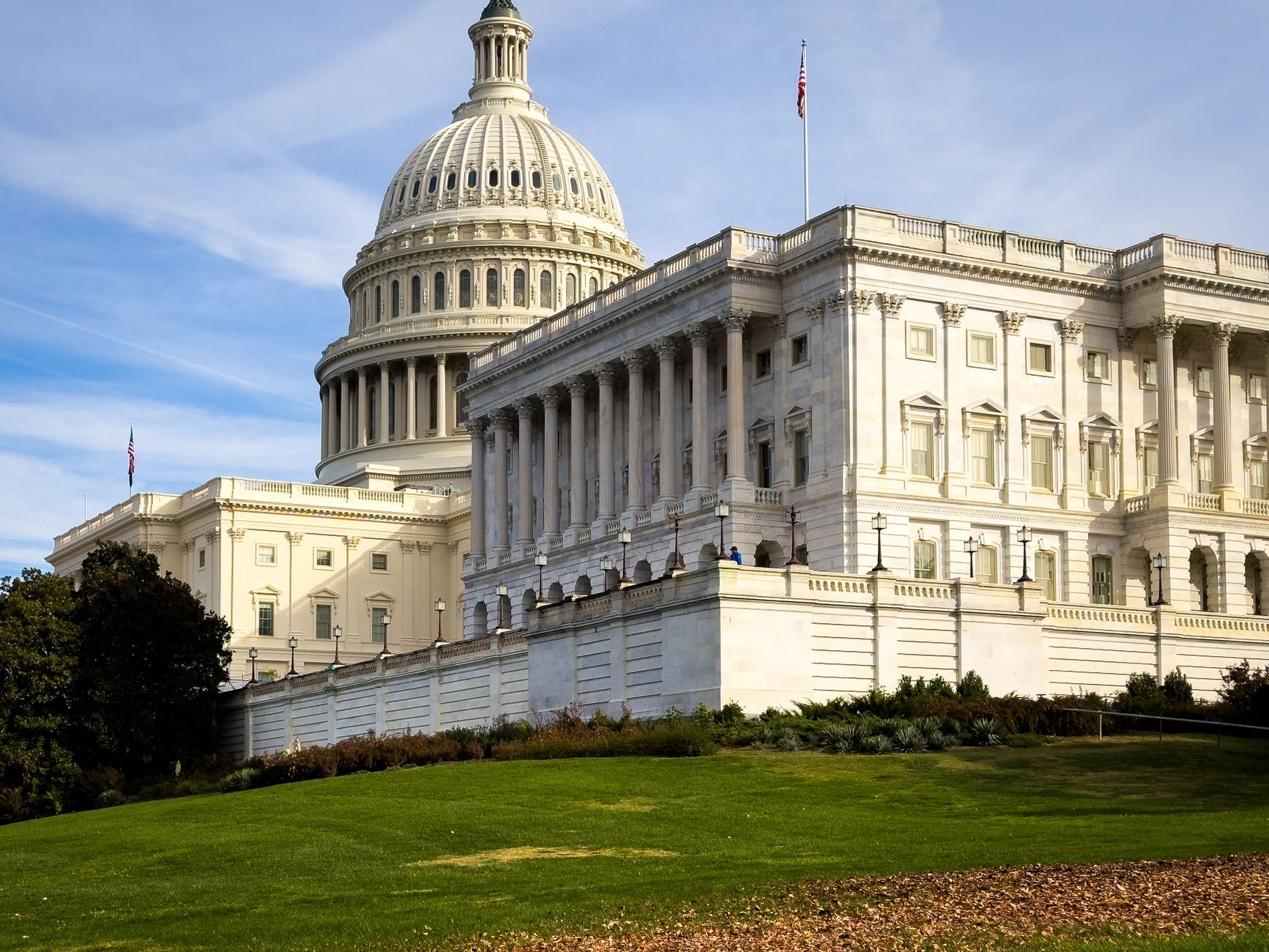
Looking ahead, political strategists anticipate that diplomatic channels may remain constrained as domestic and regional timelines unfold. The intersection of domestic political calendars and international security policy often creates a complex environment for long-term negotiations.
Observers emphasize the importance of continued intelligence sharing and multilateral communication to prevent further escalation. While formal talks currently face significant hurdles, backchannel communications remain a critical avenue for managing immediate risks and preventing miscalculations among the involved parties.



















Leave a Reply