



Diplomatic Shift in the Middle East
Former President Donald Trump is actively defending a newly brokered peace agreement with Iran this week, pushing back against critics who argue the deal grants excessive concessions to Tehran. The agreement, announced following weeks of clandestine negotiations, mandates that both nations engage in intensive talks over the next 60 days to finalize a comprehensive framework for regional stability. Central to the controversy is a $300 billion reconstruction initiative aimed at revitalizing Iran’s infrastructure, a provision that has drawn sharp criticism from political opponents.
Context of the Negotiations
The current framework follows years of heightened tensions and a policy of maximum pressure that defined much of the previous administration’s stance toward the Iranian government. By pivoting toward a reconstruction-based incentive structure, the current diplomatic approach seeks to leverage economic stability as a catalyst for long-term geopolitical cooperation. The transition from sanctions-heavy diplomacy to large-scale investment marks a significant departure from established U.S. foreign policy norms.
Analyzing the Concession Debate
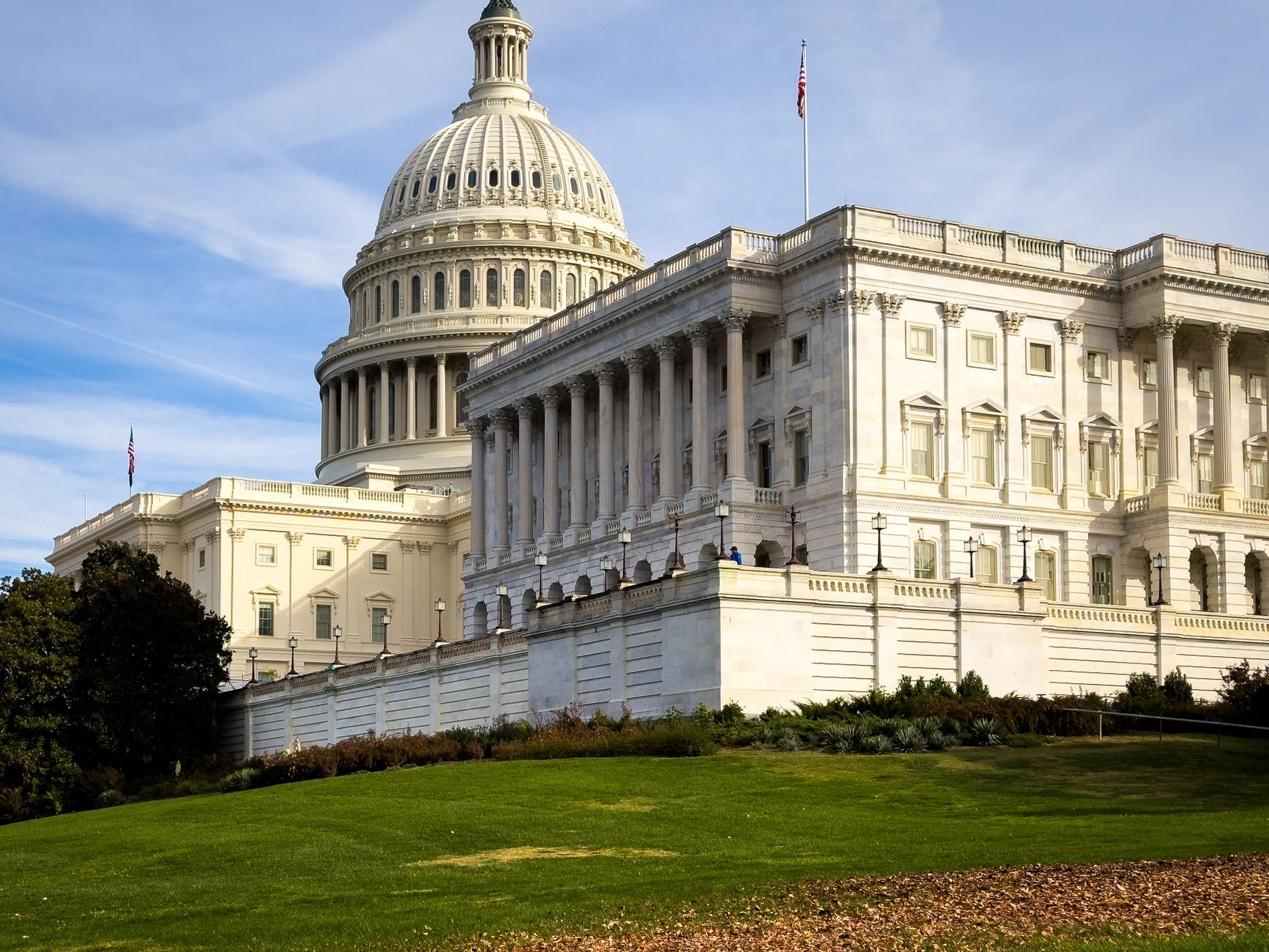
Critics of the deal, including several high-ranking congressional leaders, argue that the $300 billion package functions as a reward for state-sponsored instability. They contend that providing such substantial capital without immediate, verifiable disarmament leaves the U.S. with little leverage in the subsequent 60-day negotiation window. Conversely, proponents suggest that the reconstruction funds are strictly tethered to performance milestones, arguing that economic integration is the only viable path to reducing regional nuclear proliferation.
Expert Perspectives and Economic Implications
Geopolitical analysts remain divided on the potential outcomes of this investment strategy. Dr. Arash Alami, a senior fellow at the Center for International Security, notes that while the financial scale is unprecedented, the success of the deal depends entirely on the enforcement mechanisms embedded in the final agreement. Data from the International Monetary Fund suggests that such an influx of capital, if managed transparently, could stabilize the Iranian economy, though risks of inflation and misappropriation remain high.
Future Outlook and Strategic Shifts
The international community is now closely monitoring the next eight weeks as the 60-day clock begins to tick toward a final agreement. If the negotiations falter, the U.S. faces the risk of a significant loss of capital and a potential decline in diplomatic credibility across the Middle East. Observers should watch for upcoming reports from the State Department regarding the oversight protocols for the reconstruction funds, as these will serve as the primary indicator of how the U.S. intends to enforce compliance during this sensitive transition period.



















Leave a Reply