


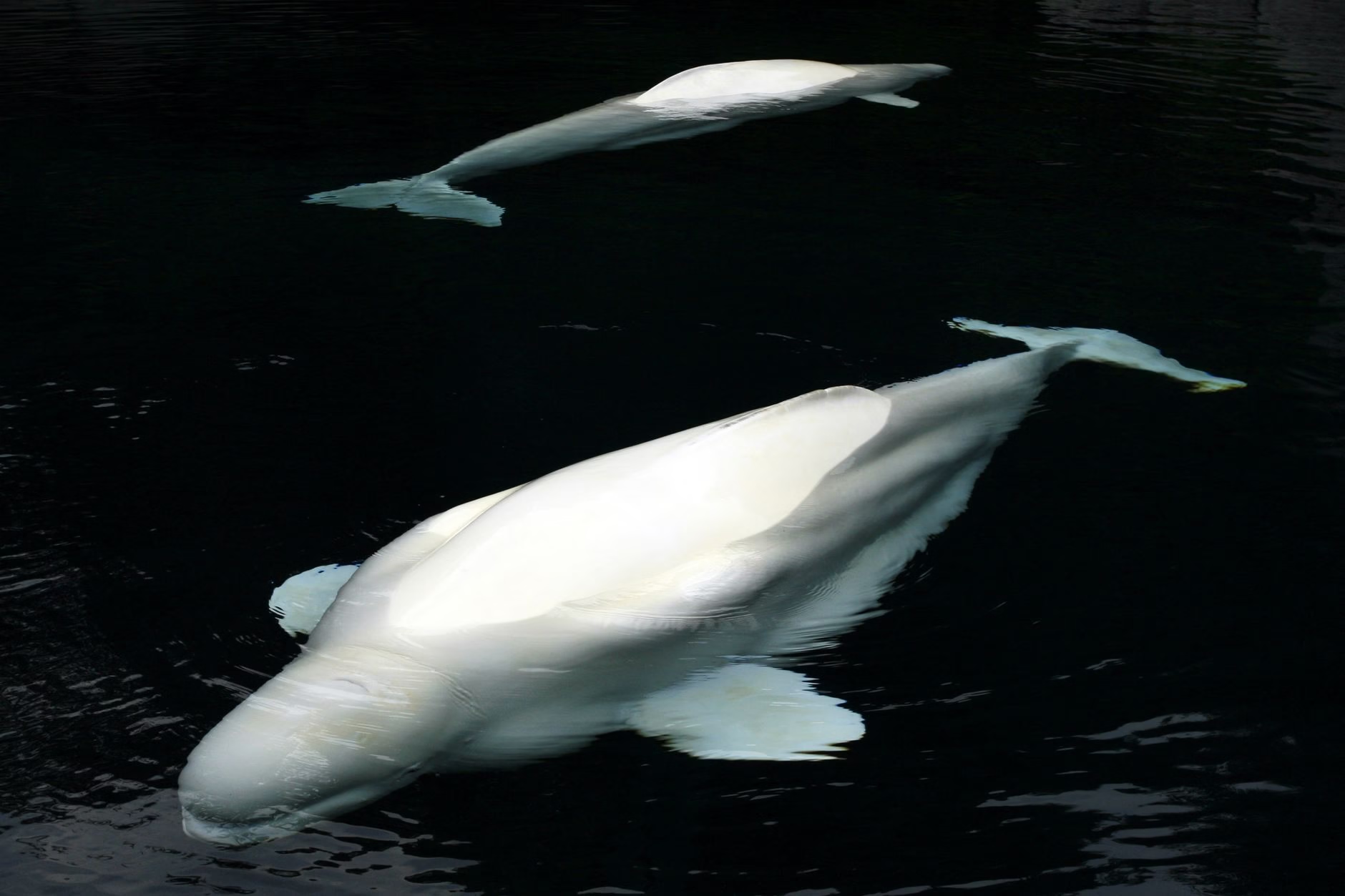
Recent Losses at the Chicago Aquarium
Two more beluga whales have passed away at the Shedd Aquarium in Chicago. This unfortunate development brings renewed attention to the care and survival rates of cetaceans living in managed environments. Among the deceased animals is a beluga whale that had been relocated to the facility in mid-August as part of a significant international rescue mission involving the final captive beluga whales in Canada.
Details of the Rescue and Relocation
The international rescue effort was designed to provide a better environment and specialized care for the belugas originating from Canada. Transporting marine mammals across international borders requires extensive logistical planning, veterinary oversight, and specialized transport equipment to ensure the safety of the animals. Despite these efforts and the subsequent specialized medical care provided by the aquarium staff, the newly arrived whale could not be saved.
Ongoing Concerns for Captive Cetaceans
The loss of these two beluga whales highlights the ongoing challenges associated with housing marine mammals in aquariums. Animal welfare organizations frequently scrutinize the health outcomes of cetaceans in captivity. Facilities like the Shedd Aquarium often emphasize their commitment to marine conservation, public education, and veterinary research, yet incidents like these frequently trigger intense public debate regarding the ethics and viability of keeping such intelligent and social marine mammals in enclosed habitats.
Next Steps for the Facility
Aquarium officials and veterinary teams are expected to conduct thorough reviews following the deaths. Necropsies are standard procedure in such cases to determine the exact physiological causes of death. The findings from these medical examinations often contribute to broader veterinary knowledge regarding beluga whale health, dietary needs, and environmental stressors in managed care facilities. As the institution processes these recent losses, the broader scientific and conservation communities continue to evaluate the best paths forward for marine mammal stewardship.




















Leave a Reply