


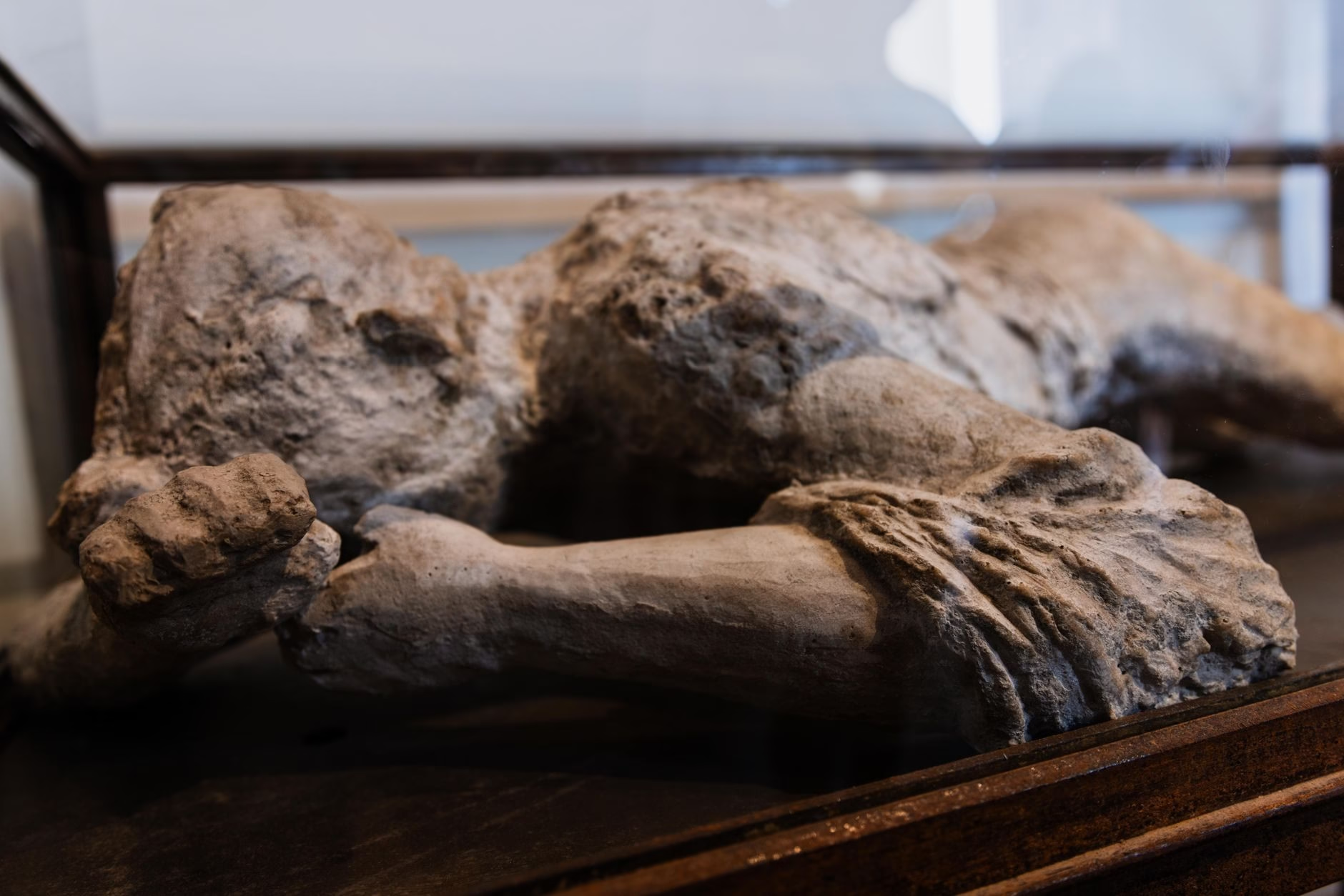
Recent archaeological findings at the ancient Roman site of Pompeii continue to shed light on the final days of a civilization frozen in time by catastrophe. Investigators working among the ruins have uncovered a sealed storage space containing a variety of personal belongings, including monetary currency and ornamental pieces. This discovery provides contemporary researchers with a clearer window into the domestic routines and economic status of individuals residing in the city prior to the catastrophic volcanic event in A.D. 79.
Unlocking the Past Through Domestic Artifacts
The excavation of residential areas often yields the most intimate details regarding ancient populations. Unlike grand public monuments or political forums, private living quarters reflect the daily realities, preferences, and challenges of ordinary citizens. The newly examined storage compartment had remained untouched for centuries, preserving its contents away from both natural decay and early unauthorized excavations.
Among the recovered items are multiple coins, which offer numismatic evidence that helps historians understand currency circulation and economic conditions during the early imperial period. Alongside these monetary items, researchers cataloged various pieces of jewelry. These adornments speak to the craftsmanship of local artisans and the personal tastes of the inhabitants who once walked the paved streets of the settlement.
Contextualizing the Eruption of Mount Vesuvius
The catastrophic eruption of Mount Vesuvius in A.D. 79 buried Pompeii under a thick layer of ash and pumice, effectively halting daily existence in an instant. While the destruction was absolute, the thick debris layer also created a sealed environment that preserved organic and inorganic materials with remarkable fidelity. Discoveries like this sealed compartment are crucial because they capture a moment of normalcy abruptly interrupted by natural forces.
By analyzing the placement and condition of these belongings, specialists can infer how residents prepared for the unfolding crisis or whether they hastily concealed valuables in hopes of returning later. Every artifact adds a specific data point to the broader historical narrative, transforming abstract dates and events into tangible human experiences.
Implications for Modern Archaeology
Modern archaeological methodologies emphasize non-destructive analysis and meticulous documentation. When teams encounter undisturbed contexts such as this concealed cache, they employ advanced imaging and chemical testing to extract maximum information without compromising the physical integrity of the objects. This rigorous approach ensures that fragile organic traces associated with the metal and coin specimens are not lost during the recovery phase.
Furthermore, findings of this nature contribute significantly to museum exhibitions and academic literature dedicated to classical antiquity. They allow educators to present a more nuanced picture of Roman society, moving beyond tales of destruction to focus on the vibrant culture that flourished before the disaster.
Preserving Heritage for Future Generations
The continuous excavation and conservation efforts at Pompeii require sustained international collaboration and funding. Protecting these delicate structures from environmental wear and tourism pressures remains a top priority for cultural heritage authorities. Each successful recovery project underscores the importance of ongoing fieldwork in rewriting the history books and honoring the lives of those who perished.
As research into the contents of the sealed closet proceeds, experts anticipate publishing detailed analyses regarding the origin of the materials and their specific economic value in antiquity. These upcoming publications will undoubtedly inspire further investigation into the domestic architecture and material culture of the Roman world.





















Leave a Reply