


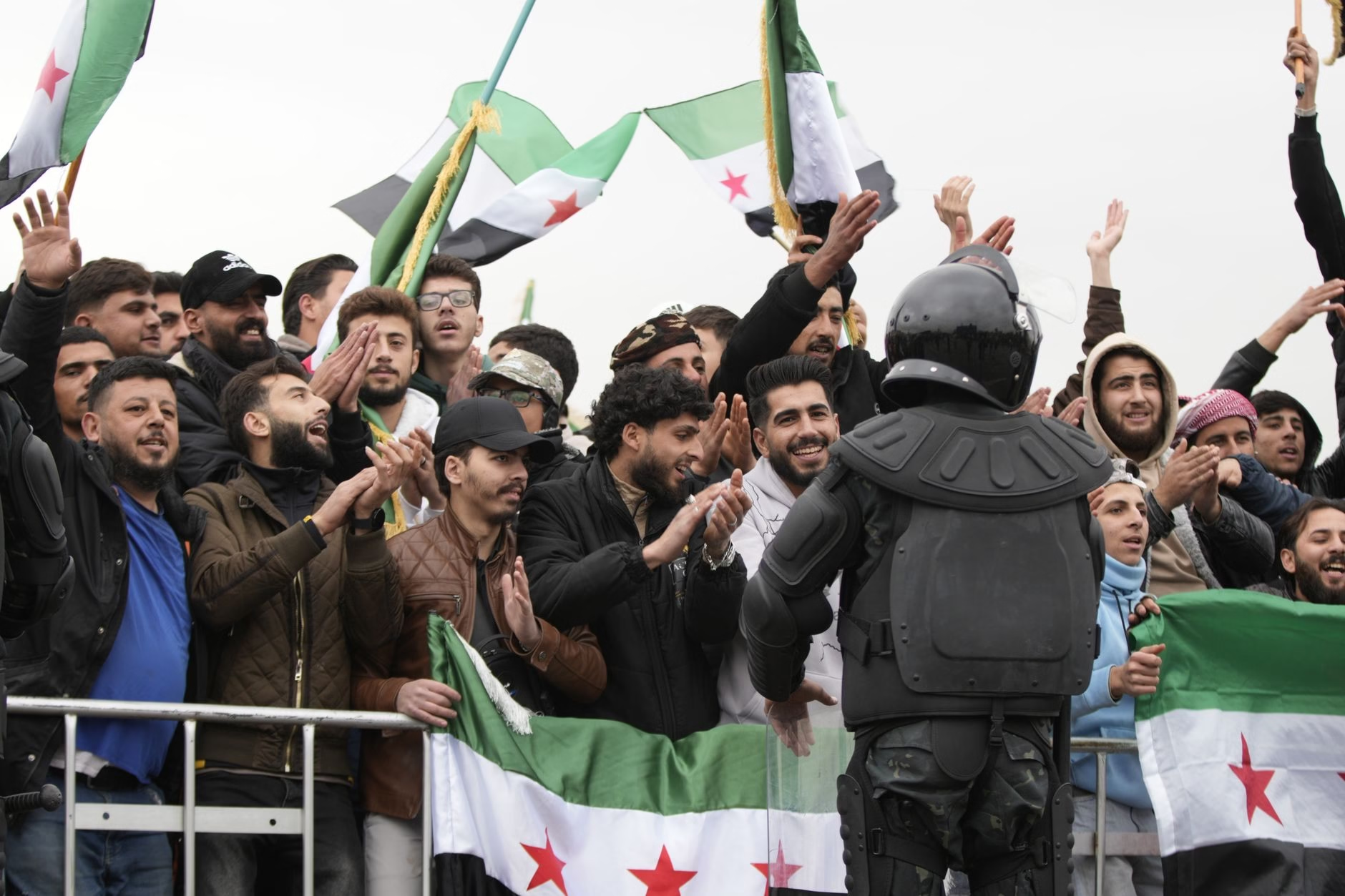
International Diplomacy And The United Nations
The annual gatherings of world leaders at the United Nations General Assembly frequently serve as a platform for intense political discourse and regional disputes. Representatives from nations across the globe utilize the stage to address longstanding grievances, present national policies, and respond to geopolitical adversaries. These addresses often reflect the complex and delicate nature of international relations, bringing regional conflicts into the global spotlight.
During one such high-profile session, the leader of Syria directed sharp criticism toward Israel. The address focused heavily on ongoing territorial tensions and deeply rooted geopolitical disputes that have persisted in the Middle East for decades. The remarks underscored the friction between the two neighboring nations, particularly regarding contested land and sovereignty.
The Status Of The Golan Heights
A central focus of the address was the disputed territory of the Golan Heights. The Syrian representative firmly asserted that the region remains an integral and inseparable part of the Syrian nation. This perspective highlights the enduring disagreement concerning the administrative control and international recognition of the strategic plateau.
The Golan Heights has been a flashpoint in regional politics for generations, involving military engagements and diplomatic stalemates. While international perspectives on the territory vary, the official stance from Damascus remains steadfast in demanding the return of the land. The address at the global forum reiterated this unwavering position to an international audience.
Broader Regional Implications
Speeches delivered at the United Nations carry significant weight, often influencing diplomatic dialogues and international perceptions. When leaders use the global platform to voice strong opposition to neighboring states, it reflects the deep challenges facing regional stability and peaceful resolutions.
As diplomatic efforts continue to navigate the complexities of Middle Eastern politics, statements of this nature illustrate the persistent hurdles on the path toward long-term peace. The international community continues to monitor these developments closely, weighing the impacts of such rhetorical positions on future negotiations and regional diplomacy.


















Leave a Reply