



Understanding the Looming Threat
Communities across Somalia are currently bracing for severe weather disruptions driven by the impending arrival of the El Nino phenomenon. This latest climatic threat comes on the heels of historic droughts and widespread famine that have already devastated the region and displaced millions of vulnerable residents. Humanitarian organizations and local authorities are urgently working to prepare for potential flooding and further displacement.
The human cost of these compounding environmental crises continues to rise. Families who have barely survived years of agricultural failure and extreme water scarcity now face the prospect of torrential rains and overflowing rivers. The fragile infrastructure in many regions is ill-equipped to handle sudden and massive influxes of water, raising alarms about potential disease outbreaks and the total destruction of remaining livelihoods.
Decades of Environmental Vulnerability
To fully comprehend the gravity of the current situation, one must look at the cumulative impact of climate shocks in the Horn of Africa. Consecutive failed rainy seasons left vast areas parched, killing livestock and decimating crop yields. Millions of people found themselves pushed to the brink of starvation, forcing them to abandon their traditional rural homes in search of humanitarian aid in overcrowded urban camps.
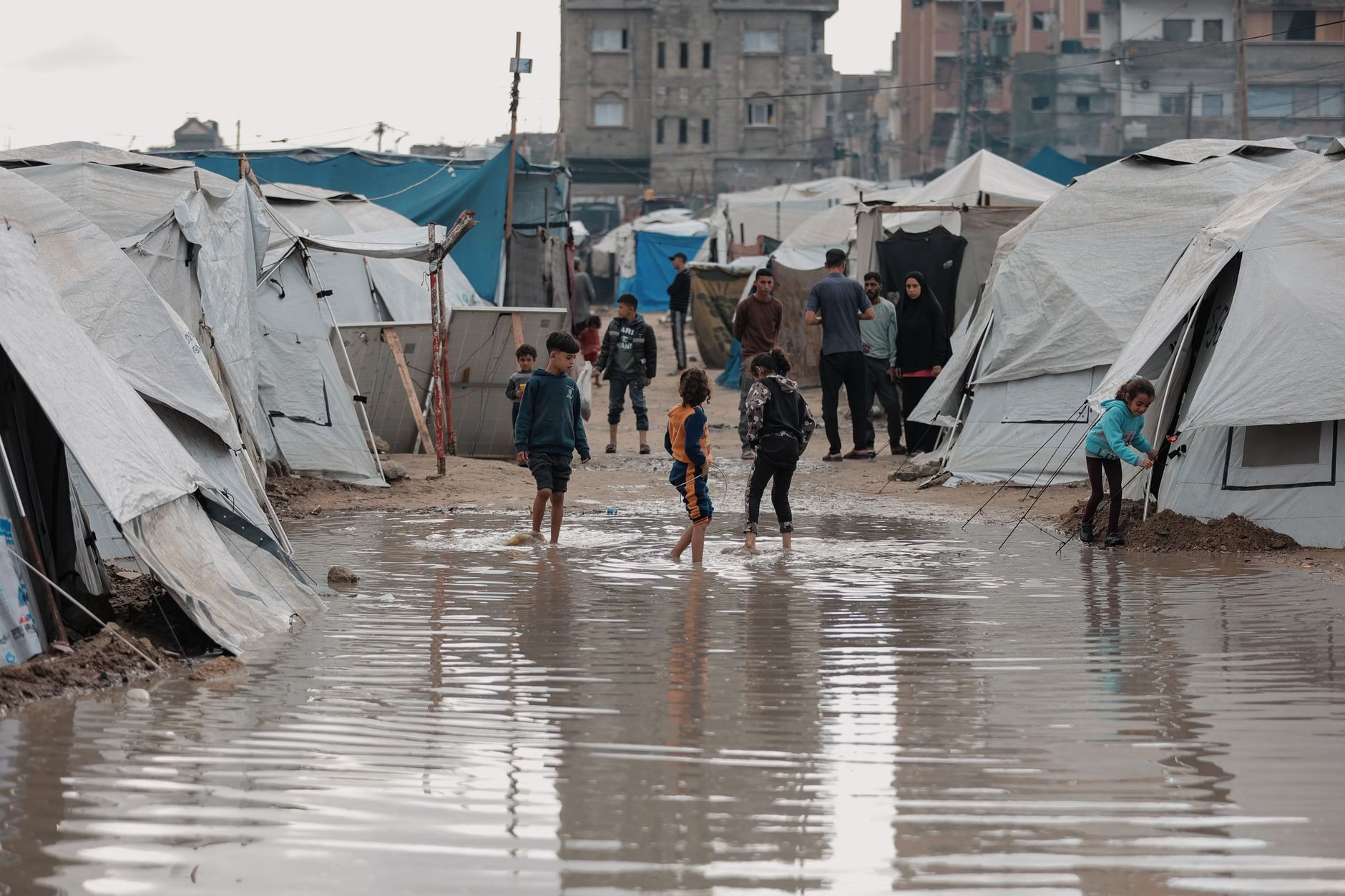
These informal settlements often lack adequate sanitation, clean water, and proper shelter, making residents exceptionally vulnerable to weather extremes. When heavy rains eventually arrive in parched earth, the soil cannot absorb the sudden volume of water. This leads to destructive flash floods that sweep away flimsy shelters and contaminate scarce water sources, creating a continuous cycle of suffering.
Preparing for El Nino Extremes
Emergency response teams are currently mobilizing resources to mitigate the anticipated impacts of the upcoming weather pattern. Agencies are prepositioning food supplies, medical kits, and clean water infrastructure in high-risk zones before roads become impassable due to flooding. However, severe funding shortages and logistical hurdles continue to hamper comprehensive relief efforts.
Local communities are also taking proactive measures where possible, such as reinforcing riverbanks and clearing drainage channels. Despite these grassroots efforts, the sheer scale of the vulnerability means that external support remains critical. Without sustained international assistance, the convergence of past famine and new climate extremes threatens to deepen the humanitarian emergency across the region.


















Leave a Reply