


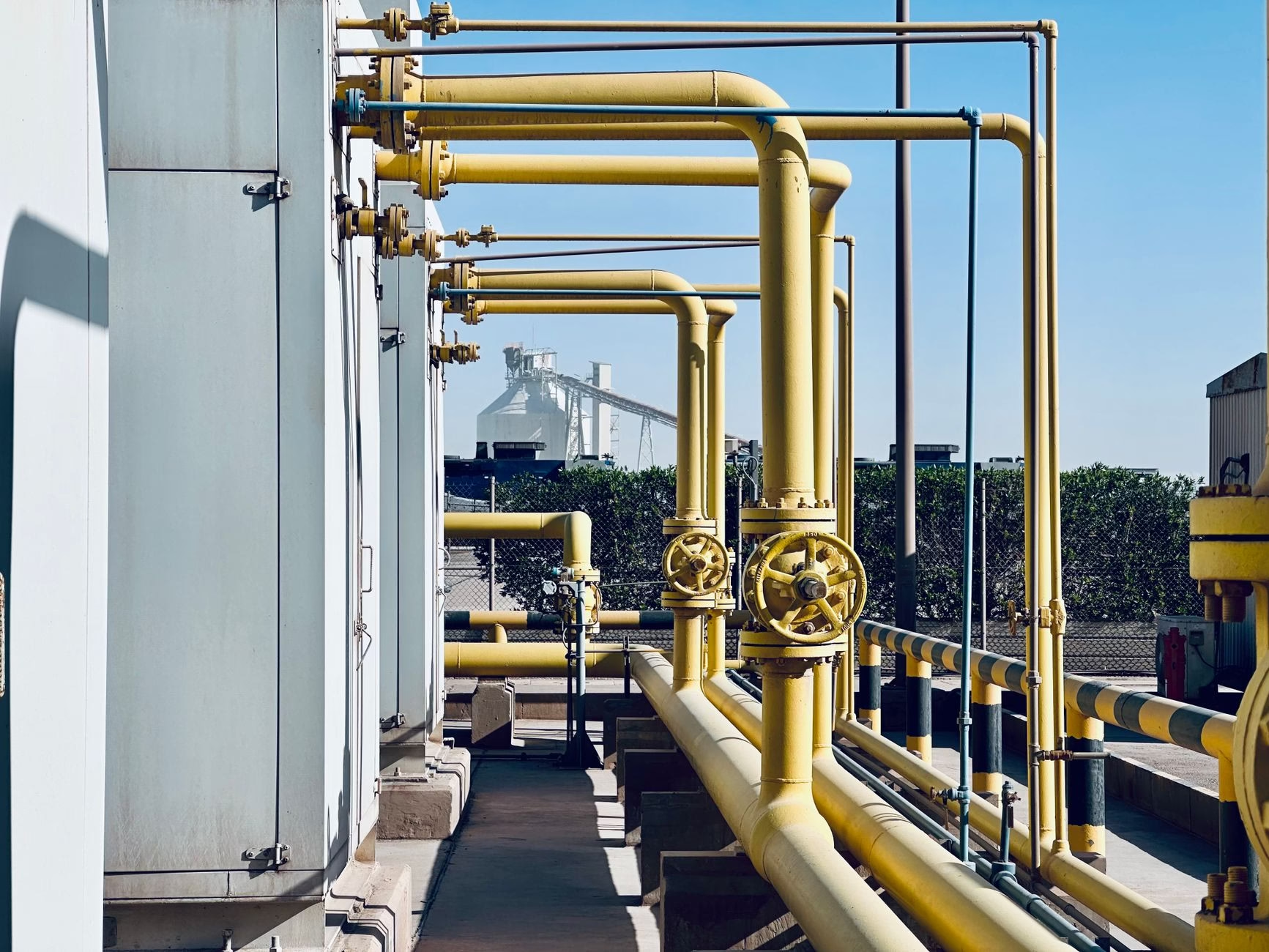
Energy Markets Face New Pressures
Global energy markets are confronting renewed strain following a strategic decision by Saudi authorities to halt operations on a vital oil transport route. This suspension comes in the wake of aerial drone strikes originating from Iraqi territory. The incident represents an additional constriction on petroleum supplies throughout the Middle East, compounding existing worries about market stability.
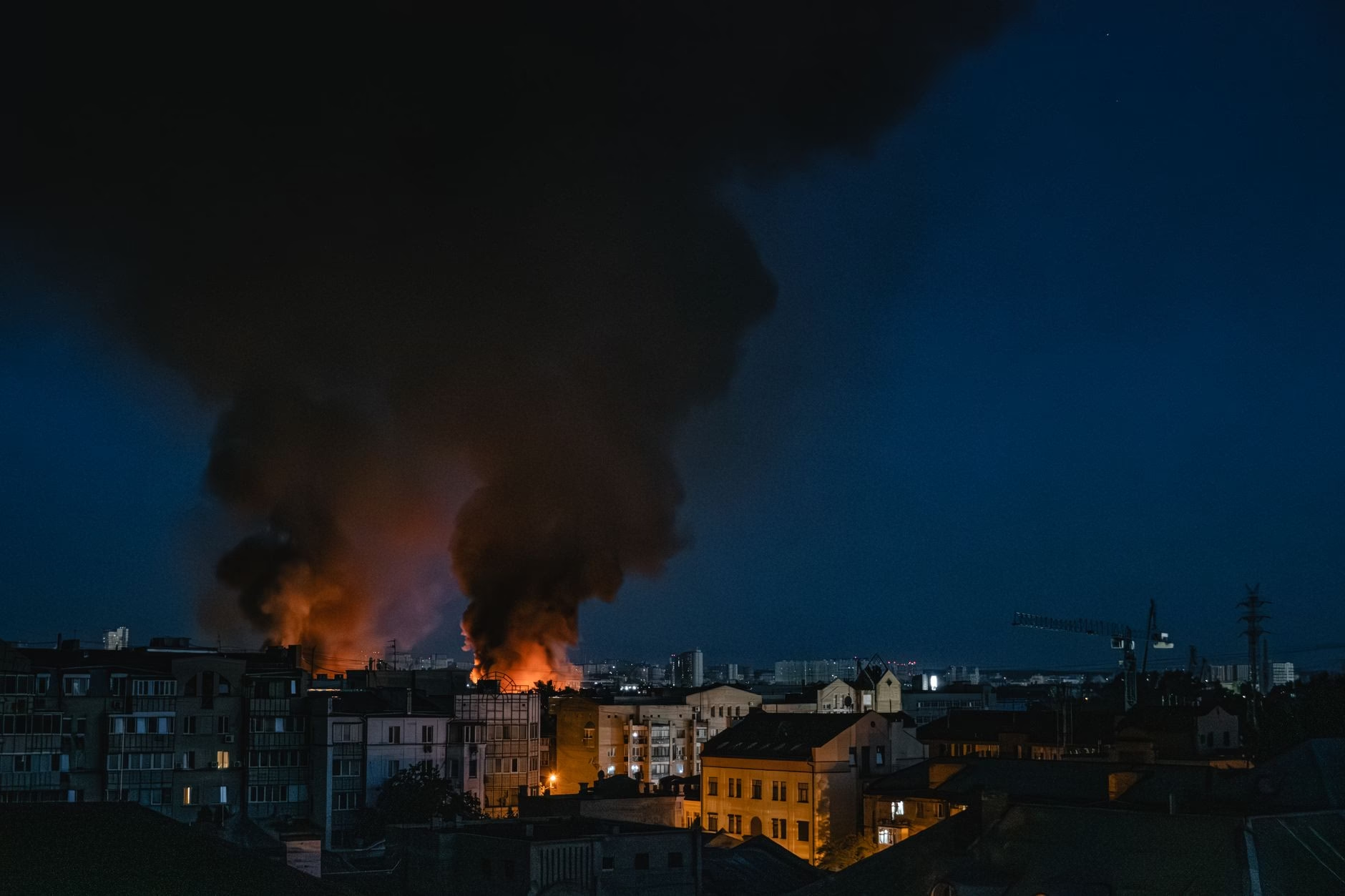
Escalating regional hostilities have already begun to impact petroleum logistics. Recent offensive actions coordinated by Iran-backed Houthi forces have intensified vulnerabilities within key supply networks, raising concerns regarding a deeper international energy crunch. Policymakers and industry analysts are closely monitoring these developments as geopolitical tensions continue to disrupt critical infrastructure.
Infrastructure Vulnerability in the Region
The targeted pipeline serves as a major artery for petroleum distribution, making it a prominent target in the unfolding security crisis. Security experts note that securing sprawling energy corridors presents an ongoing challenge for regional governments. Drones launched from external territories highlight the sophisticated nature of the threats facing critical energy assets.
In response to the attack, operational teams moved swiftly to secure the facility and mitigate potential environmental and structural damage. However, the temporary suspension of flow through this corridor directly impacts overall export capacity, forcing logistics coordinators to seek alternative routes where available.
Implications for the Global Energy Crisis
The timing of the pipeline closure amplifies existing anxieties surrounding global energy availability and pricing stability. With multiple supply disruptions occurring simultaneously across the Middle East, international markets remain highly sensitive to physical security threats affecting major producers.
As stakeholders assess the full extent of the infrastructure damage, the broader economic ramifications are becoming increasingly apparent. Market participants are preparing for potential volatility as long as regional security conditions remain precarious and further disruptions cannot be ruled out.



















Leave a Reply