


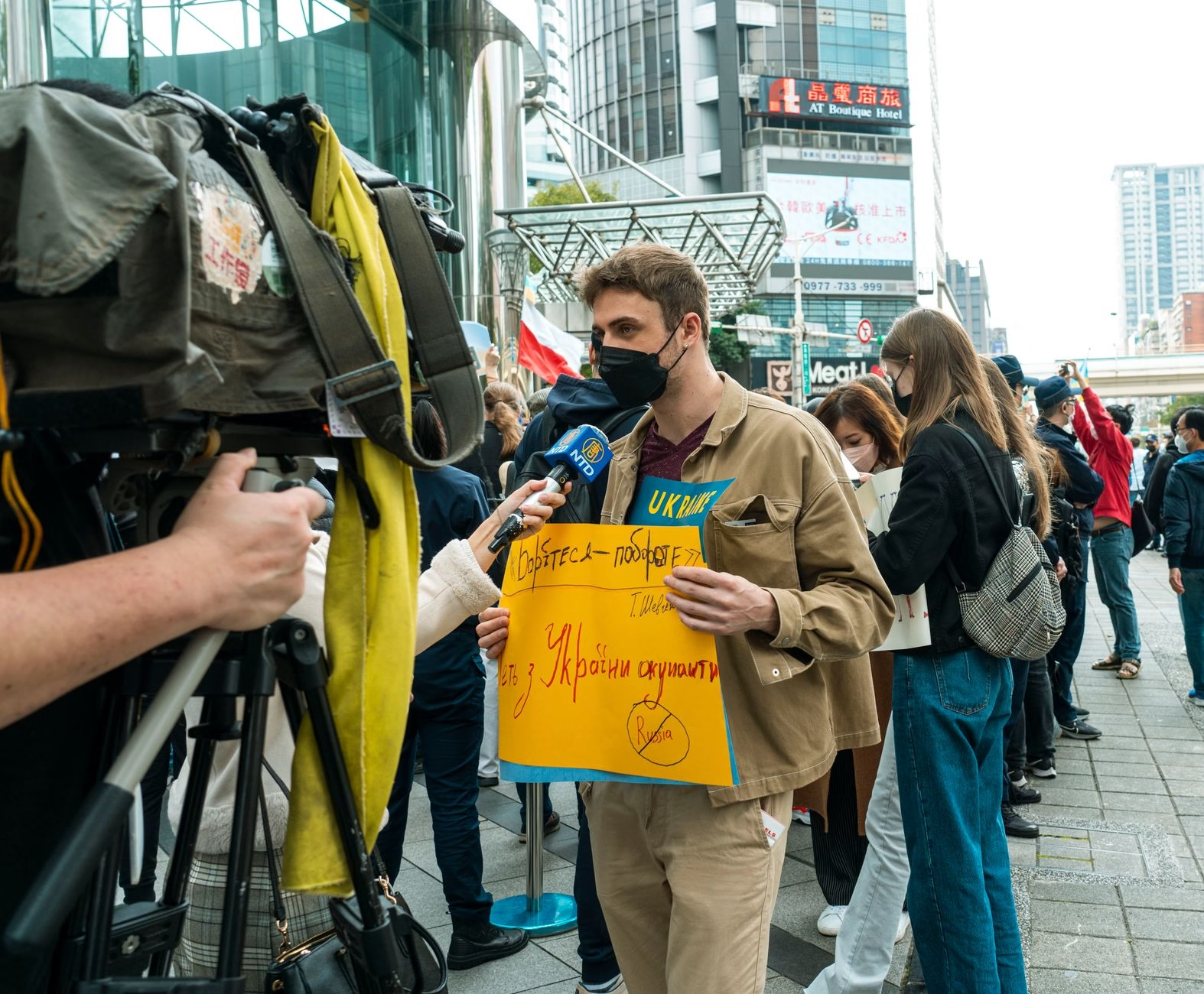
The geopolitical landscape surrounding Eastern Europe continues to evolve as international leaders weigh the possibilities of diplomatic resolutions against mounting security concerns. Recent statements from top leadership highlight a complex mix of potential peace pathways and severe warnings regarding tactical maneuvers in contested regional airspace.
Prospects For Diplomatic Resolution
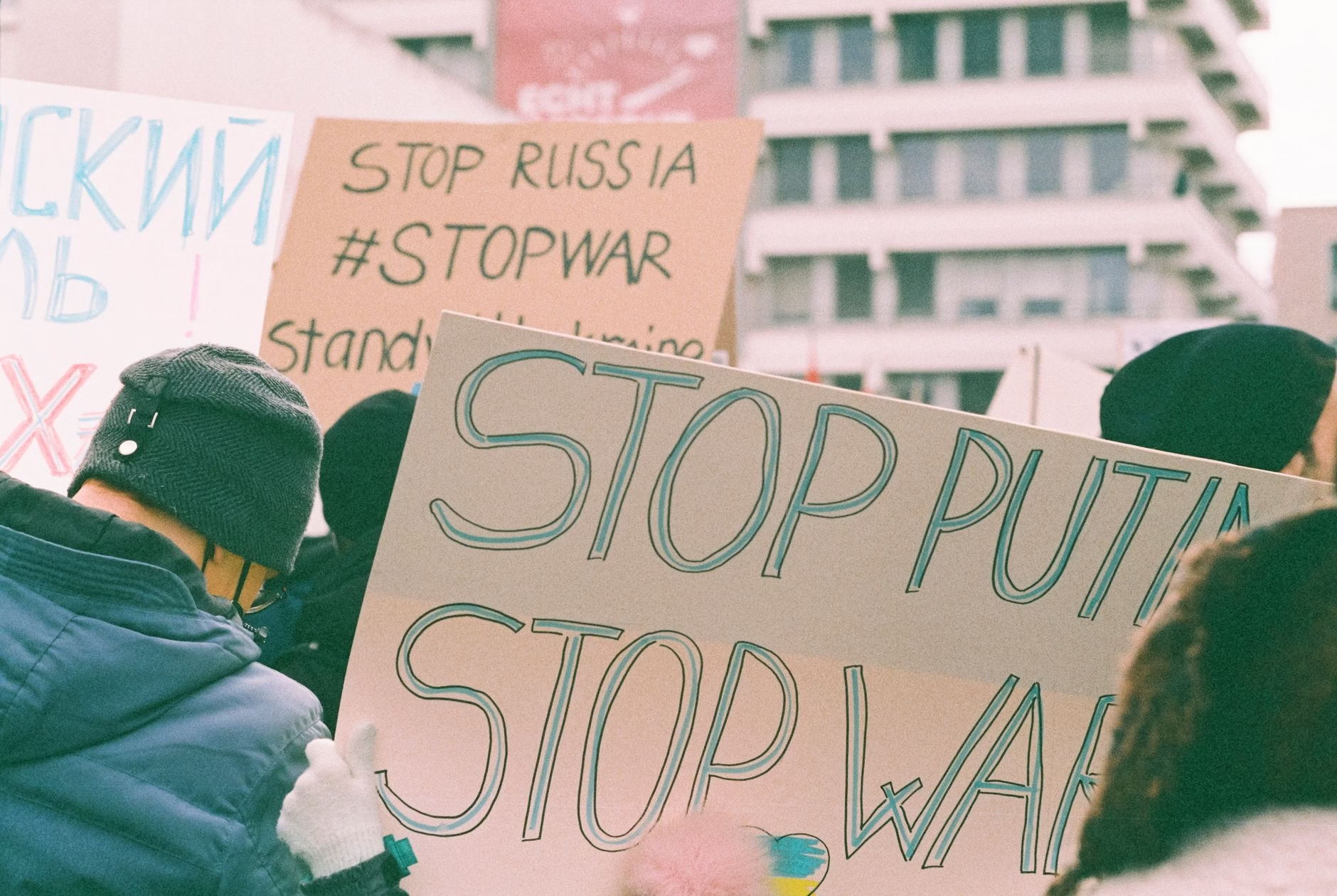
During recent high-profile addresses, the possibility of a negotiated settlement concerning the ongoing conflict in Ukraine has been brought back into the public discourse. While dialogue channels remain extremely fragile, the mere acknowledgment that a diplomatic framework could eventually be established offers a glimmer of hope for international observers seeking an end to hostilities.
However, reaching any substantive agreement remains an uphill battle. Fundamental disagreements over territorial sovereignty, security guarantees, and the ultimate architecture of European security continue to divide the primary actors involved in the diplomatic struggle.
Security Warnings From Western Defense Officials
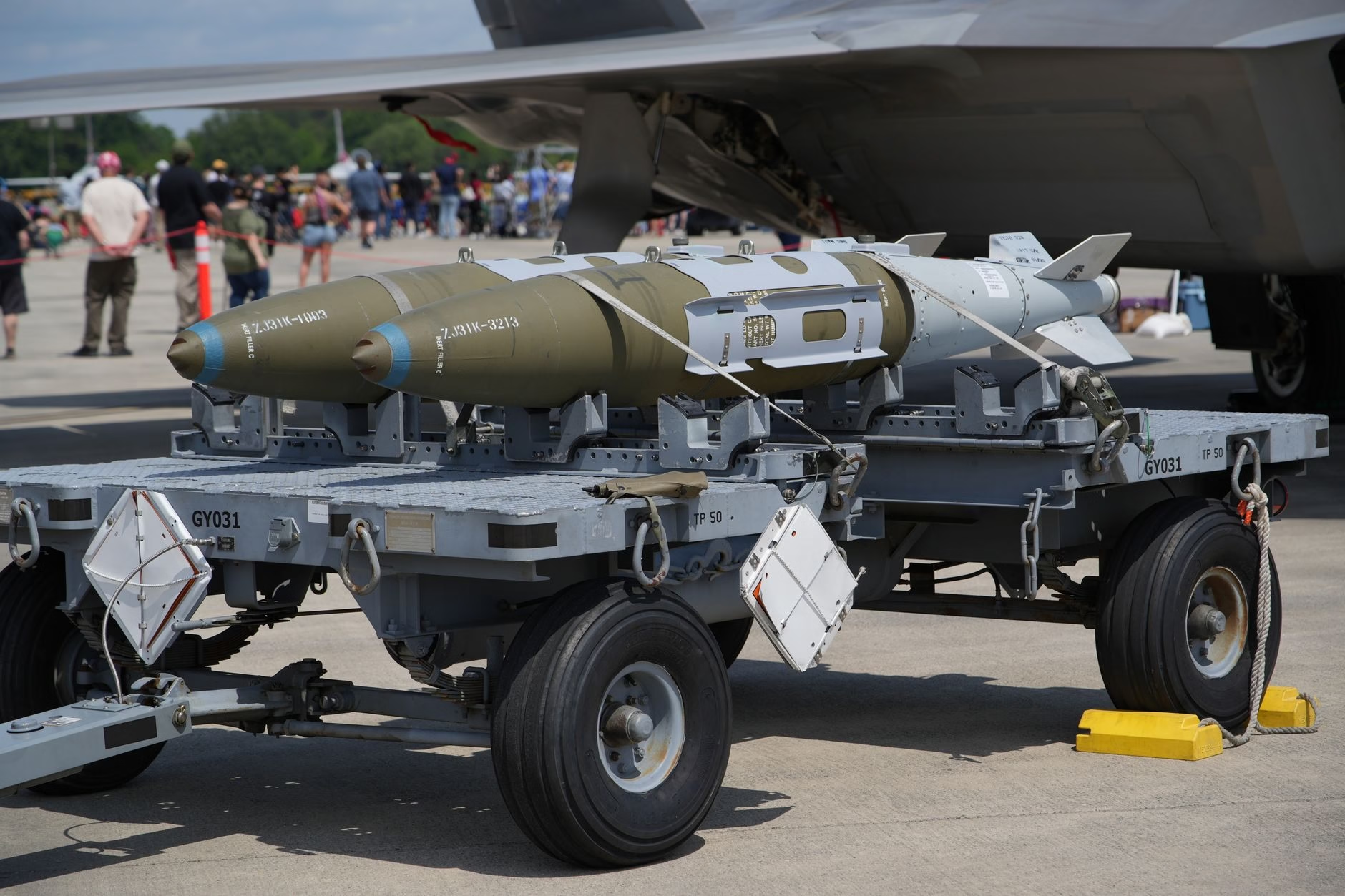
Simultaneously, leadership within the North Atlantic Treaty Organization has raised significant alarms regarding military operations and tactical decisions made by Moscow. Defense authorities characterize recent aerial incidents and strategic postures as increasingly dangerous, noting a shift toward behavior that heightens the threat of wider regional escalation.
Alliance officials emphasize that vigilance and deterrence are more critical than ever. The hardening stance from Western defense ministries underscores the persistent friction between major global powers and the vulnerability of regional stability.
Accusations Over Airspace Operations
The diplomatic friction has been further compounded by sharp rhetoric regarding airspace security. Claims and counterclaims have emerged concerning the safety of civil and military flights, with specific warnings issued from Kyiv regarding perceived hazards in regional skies.
In response, leadership in Moscow has strongly rejected these assessments, labeling such concerns and warnings as forms of aggressive political posturing. This war of words highlights the deep mistrust that continues to characterize relations between the neighboring nations.
Implications For Global Security
The intersection of potential peace talks and escalating tactical warnings creates a volatile environment for international diplomacy. Global markets, humanitarian organizations, and regional governments must navigate a landscape where breakthrough discussions occur simultaneously with heightened military readiness.
As the situation develops, the international community remains divided on whether these diplomatic overtures represent a genuine shift toward conflict resolution or merely a tactical maneuver in a protracted war. Observers across the globe continue to monitor every diplomatic signal and military movement closely.

















Leave a Reply