


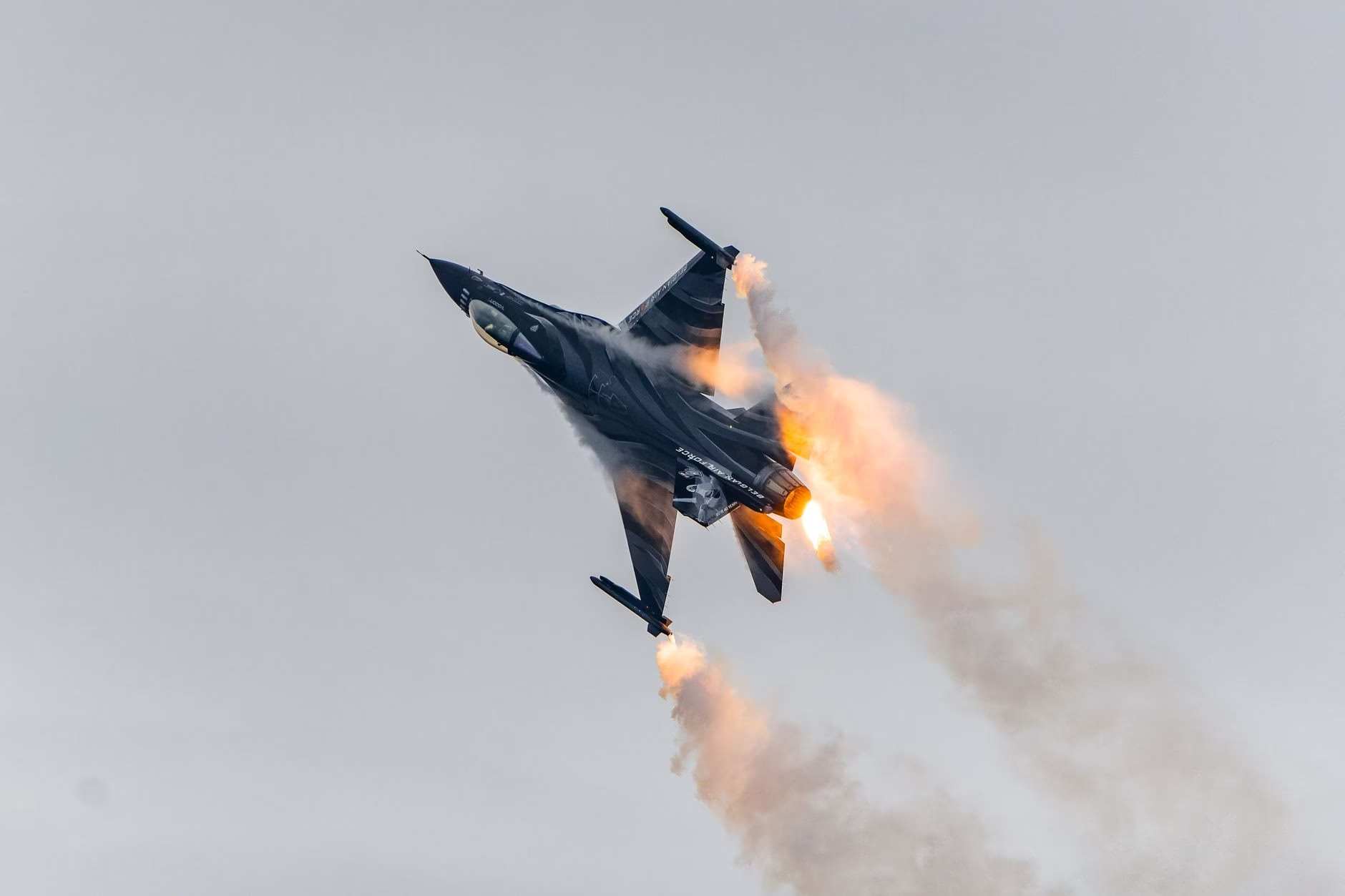
A routine commercial flight preparing to depart from Lima, Peru, experienced a dramatic emergency on Monday when its propulsion system unexpectedly began shooting flames. The alarming incident forced an immediate halt to the departure process, grounding the aircraft before it could leave the ground and putting standard aviation safety protocols into motion.
Immediate Action Taken by Flight Crew
When the unexpected fire emerged from the engine, the flight deck crew reacted swiftly to secure the aircraft. Aborting a takeoff requires precise timing and immediate execution to ensure that passengers and crew members remain safe while the vehicle decelerates rapidly on the runway.
Ground personnel and emergency response teams were quickly mobilized to address the situation. Passengers on board experienced a tense moments as the aircraft came to a complete halt and the nature of the mechanical malfunction became apparent.
Details of the Lima Incident
Incidents involving aircraft engines experiencing unexpected flames during the departure phase are treated with the utmost seriousness by aviation authorities. The flight in question was grounded immediately, preventing what could have escalated into a much more severe airborne emergency.
While investigations into the root cause of the engine malfunction are typically launched following such events, the immediate priority remained the safety and accounting of everyone on board the aircraft. Passengers were safely disembarked while technical teams began evaluating the damage to the affected propulsion unit.
Broader Aviation Safety Context
This occurrence in Lima highlights the critical importance of rigorous pre-flight checks and the readiness of flight crews to handle sudden mechanical failures. Aviation safety experts frequently analyze aborted takeoffs to understand how systems respond under stress and to prevent similar occurrences in the future.
Although engine fires are rare and startling for travelers, modern commercial aircraft are designed with multiple safety redundancies. These systems allow pilots to detect anomalies rapidly and take decisive action to protect the lives of everyone traveling.
Next Steps for Passengers and Authorities
Following the cancellation of the flight, affected travelers were provided with alternative arrangements to reach their destinations. Airline representatives worked to accommodate passengers disrupted by the unexpected grounding.
Meanwhile, aviation regulators and maintenance specialists will continue examining the faulty engine to determine the exact sequence of events that led to the flames. Findings from such reviews contribute to ongoing advancements in global aviation safety standards.





















Leave a Reply