


Introduction to the Martian Moon Mission
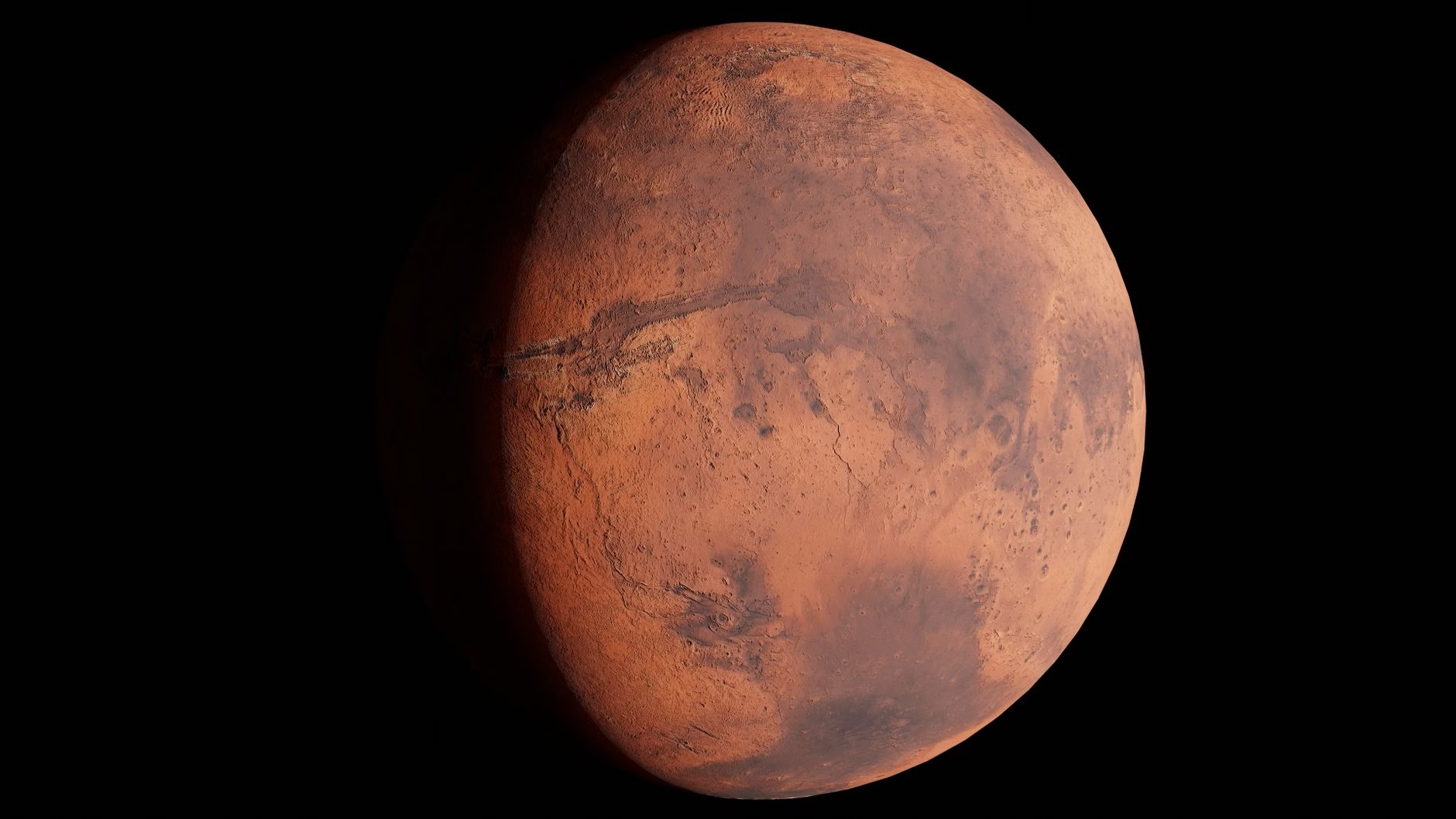
Space exploration is entering a new frontier as robotic missions push deeper into our solar system. A groundbreaking endeavor has officially begun with the launch of an advanced probe designed to travel toward Mars. The primary destination for this sophisticated spacecraft is Phobos, one of the two natural satellites orbiting the red planet.
Unlocking Planetary Mysteries
Scientists around the world have long debated the exact origins of Mars and its twin moons, Phobos and Deimos. For decades, researchers have questioned whether these celestial bodies are captured asteroids from the nearby asteroid belt or remnants of ancient impacts on the Martian surface. This new mission aims to finally settle the scientific debate by gathering definitive physical evidence directly from the source.
The Role of the MMX Probe
At the center of this ambitious journey is the Martian Moons Exploration probe. This highly capable robotic spacecraft is equipped with cutting-edge technology designed to navigate the harsh environment of deep space. Once the probe reaches its destination, it will perform complex orbital maneuvers before attempting a historic landing on the rugged terrain of Phobos.
Collecting and Returning Soil Samples
The most critical phase of the mission involves surface interaction. The robotic vehicle will extract soil and rock samples from the moon. Unlike traditional flyby missions, this endeavor is designed to bring those pristine materials back to Earth. Researchers anticipate that analyzing these extraterrestrial samples in terrestrial laboratories will provide unprecedented insights into planetary formation.
Implications for Future Space Exploration
Successfully landing on a small Martian moon and returning material to Earth represents a monumental engineering feat. The data gathered from this project will not only clarify the history of the Martian system but also pave the way for future crewed missions. As the spacecraft continues its long voyage through space, the international scientific community watches with great anticipation for the discoveries ahead.






















Leave a Reply