


International Diplomacy and Foreign Policy Shifts
Former United States President Donald Trump recently shared his perspective on global leadership during a wide-ranging discussion on foreign affairs. The commentary addressed key international figures, including Russian leader Vladimir Putin and Chinese leader Xi Jinping, alongside an assessment of Ukrainian President Volodymyr Zelenskyy.
The approach to international relations highlighted by Trump emphasizes direct dialogue with major global powers. Observers of foreign policy continue to monitor these statements as they signal potential shifts in American diplomatic strategy moving forward.
Proposed Direct Talks with Global Leaders
In his remarks, Trump stated an openness to engaging directly with Vladimir Putin and Xi Jinping. The prospect of such high-level diplomatic meetings remains a subject of intense discussion among political analysts and international relations experts.
Direct engagement with leaders of rival or competing nations has long been a characteristic of Trump’s foreign policy methodology. Supporters argue that personal diplomacy can help de-escalate tensions and open channels of communication that might otherwise remain closed.
Critics, however, often express concern regarding the implications of such meetings for traditional alliances and established international norms. The balance between direct negotiation and multilateral partnership continues to be a central debate in modern statecraft.
Statements Concerning Ukrainian Leadership
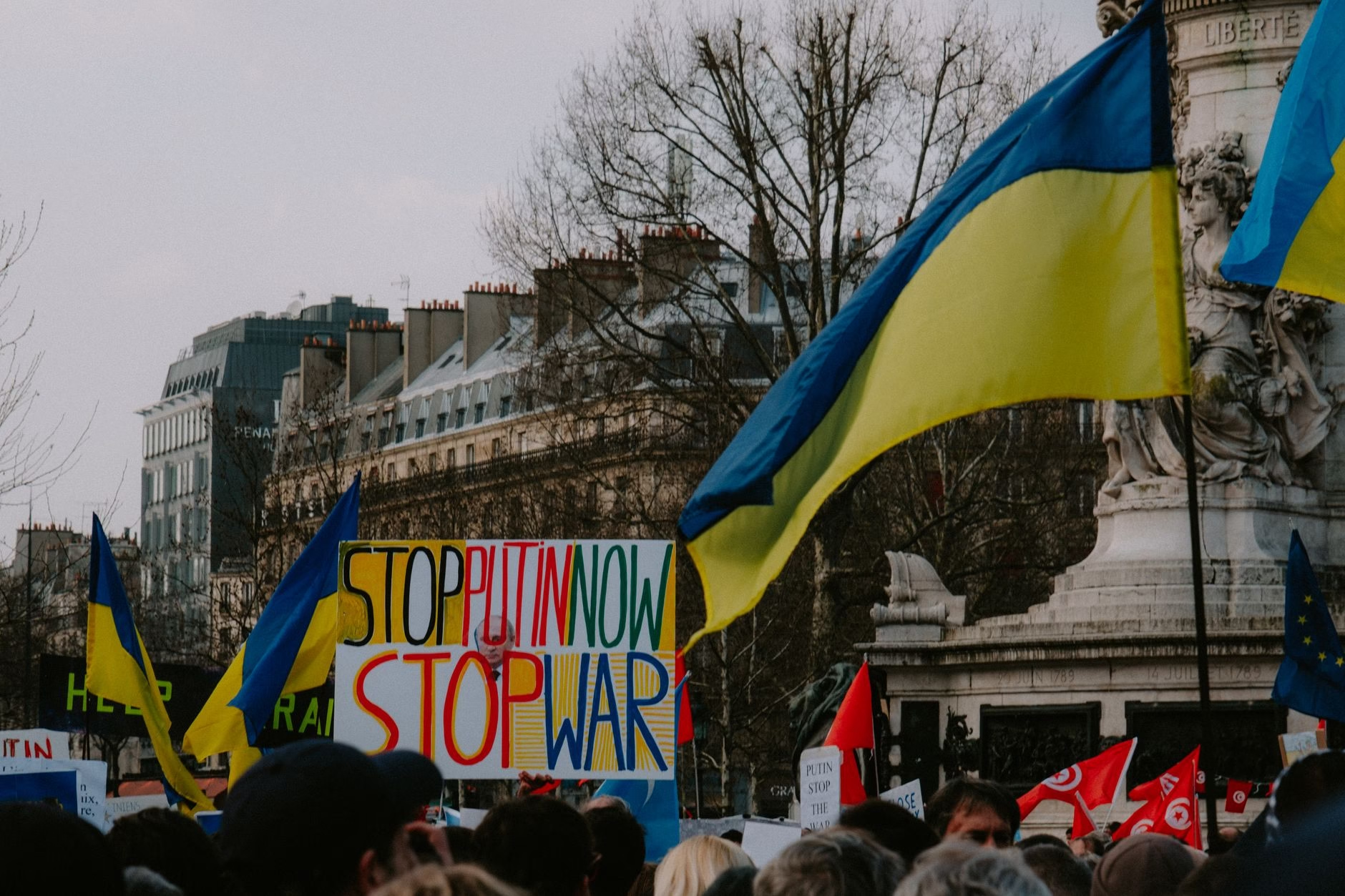
Alongside his comments on Russia and China, Trump turned his attention to Ukraine, offering specific criticisms regarding President Volodymyr Zelenskyy. The remarks touched upon the ongoing conflict in Eastern Europe and the distribution of international aid and support.
Discussions surrounding the trajectory of the war in Ukraine and the role of Western assistance remain highly polarized. Perspectives on how the conflict should be resolved vary widely among political leaders in the United States and across Europe.
Implications for Future International Relations
The positioning of these foreign policy stances comes at a critical juncture for global geopolitics. As nations navigate complex security challenges, the potential return to a leadership style centered on bilateral negotiations could alter existing diplomatic frameworks.
Policymakers and diplomats worldwide will likely continue to evaluate how these stated intentions might translate into actionable policy should the political landscape shift. The interplay between American leadership, European security, and relations with Eastern and Asian superpowers remains a cornerstone of global stability.





















Leave a Reply