


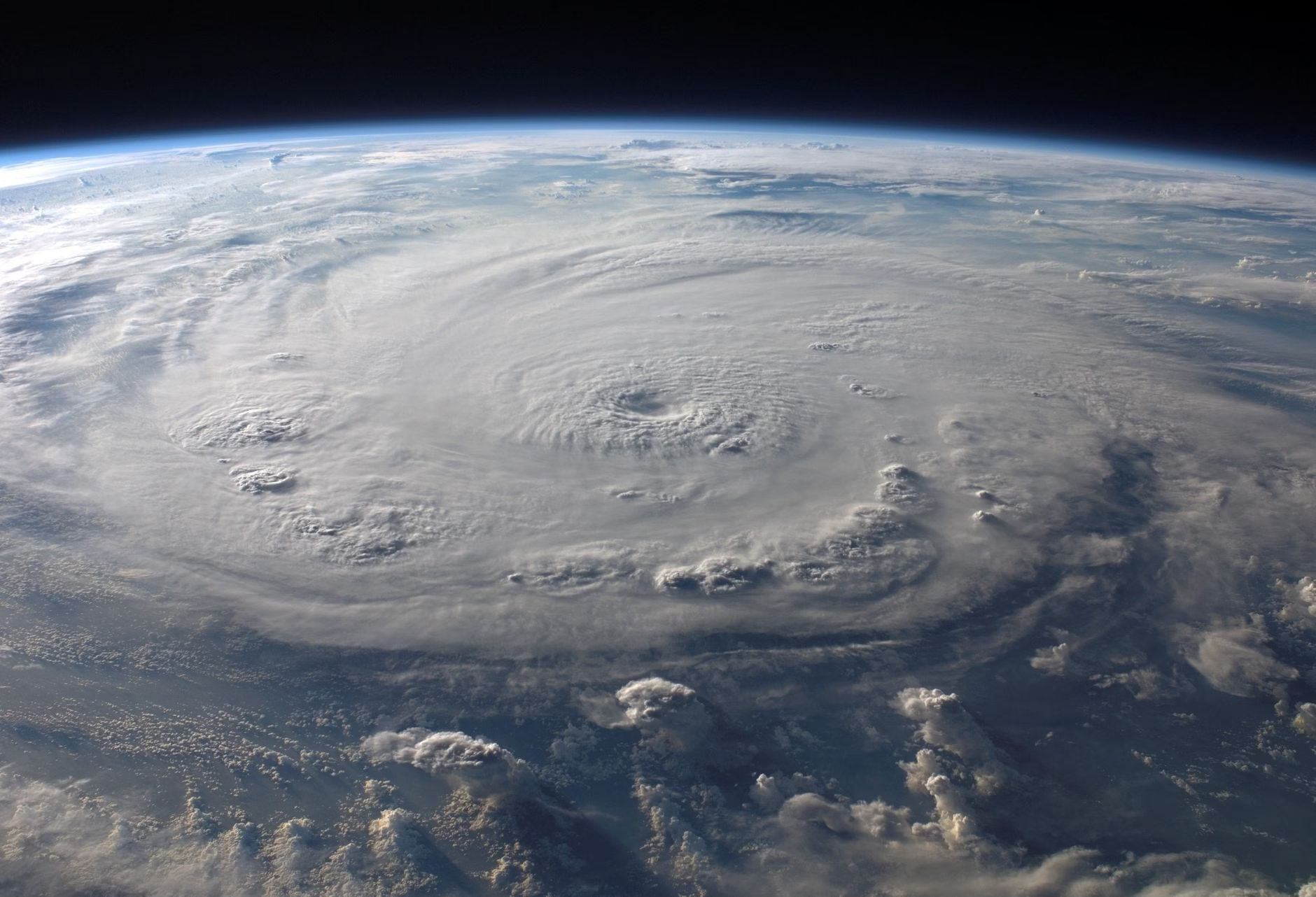
The Pacific Ocean is currently experiencing a remarkably vigorous weather period, characterized by a high frequency of tropical storms and hurricanes. Meteorologists and climate scientists are closely monitoring the region as tropical systems continue to form and develop at an accelerated pace.
Understanding The El Nino Influence
The primary driver behind this heightened level of tropical activity is the El Nino weather phenomenon. El Nino typically brings warmer ocean temperatures to the central and eastern Pacific, which serves as crucial fuel for tropical depressions, storms, and major hurricanes.
These elevated sea surface temperatures create an environment where atmospheric instability is maximized. As warm moisture rises into the atmosphere, it feeds the circulation of developing weather systems, allowing them to intensify much more rapidly than they would under normal climatic conditions.
An Extended Period Of Activity
Despite the impressive number of storms that have already formed and churned across the open waters, the tropical cycle is far from finished. Climatological data and seasonal forecasts indicate that the region still has a lengthy stretch of time remaining before the seasonal window officially closes.
Forecasters emphasize that residents in vulnerable coastal regions and island territories must remain vigilant. The persistence of warm waters means that powerful systems can materialize with relatively little warning, posing potential threats to land even as the calendar progresses.
Preparing For Continued Weather Threats
Emergency management agencies and local authorities continue to urge preparedness as the season moves into its next phases. With several weeks still remaining in the active period, contingency plans and safety measures remain essential for communities situated along potentially affected coastlines.
Continuous satellite monitoring and advanced meteorological modeling allow forecasters to track these systems in real time, providing critical lead time for alerts and warnings. As the Pacific basin navigates the remainder of this turbulent weather cycle, staying informed through official channels remains the best defense against severe tropical weather impacts.





















Leave a Reply