


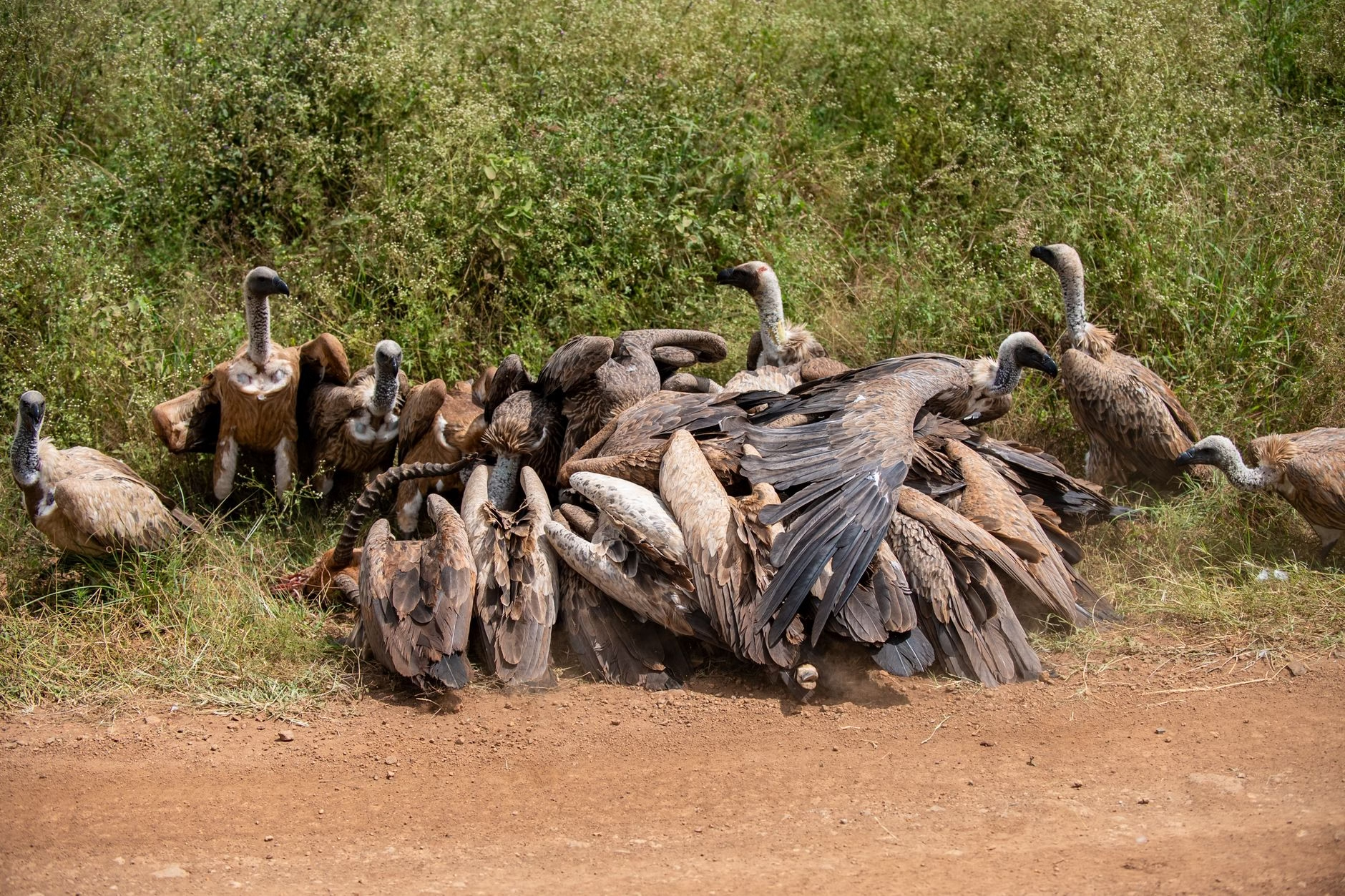
Nigeria’s ecosystems face a silent crisis as vulture populations experience a dramatic decline. These essential scavengers, often overlooked, are crucial for maintaining environmental health and preventing disease outbreaks. Their diminishing numbers signal a broader ecological imbalance that demands immediate attention and concerted conservation efforts.
The situation has become so critical that some species are teetering on the brink of local extinction. This alarming trend not only impacts biodiversity but also poses significant risks to public health and the integrity of natural landscapes across the nation.
The Indispensable Role of Vultures
Vultures play an irreplaceable role within their ecosystems. As nature’s clean-up crew, they efficiently consume animal carcasses, preventing the spread of pathogens and diseases such as rabies, anthrax, and botulism. Their highly acidic stomach enzymes are capable of neutralizing dangerous bacteria and viruses that would otherwise proliferate in decaying matter.
By rapidly removing carrion, vultures help to control pest populations, reduce unpleasant odors, and maintain the aesthetic value of natural areas. Without them, the decomposition process slows down significantly, potentially leading to increased scavenging by other animals that are more likely to transmit diseases to humans and livestock.
Multifaceted Threats to Survival
The decline of vultures in Nigeria is attributed to a complex array of human-induced threats. One of the most devastating factors is poisoning. This often occurs inadvertently when carcasses are laced with toxins by livestock owners aiming to eliminate predators like lions or hyenas. Vultures, feeding on these poisoned remains, become secondary victims, leading to mass mortality events.
Another significant threat stems from the illegal wildlife trade, particularly for traditional medicine. Vulture body parts are highly sought after for use in various traditional practices, often referred to as ‘juju,’ where they are believed to bring good fortune, wealth, or provide cures for ailments. This demand fuels poaching and directly contributes to the decimation of populations.
Habitat loss and degradation also pose substantial challenges. Expanding human settlements, agricultural encroachment, and infrastructure development reduce the available nesting sites and foraging grounds vital for vulture survival. Additionally, electrocution from power lines and collisions with wind turbines are emerging threats in some areas.
A Champion for Vultures
Amidst these daunting challenges, dedicated individuals are emerging as beacons of hope. One such figure is Dr. Olawale Adebayo, widely known as the ‘Vulture King,’ who has committed his life to reversing the fortunes of these imperiled birds in Nigeria. His work exemplifies the passion and perseverance required for effective wildlife conservation.
Dr. Adebayo’s initiatives are multi-pronged, addressing both the immediate threats and the underlying socio-cultural factors contributing to the decline. His approach emphasizes community engagement, scientific monitoring, and advocacy for stronger protective measures.
Community Engagement and Conservation Strategies
A cornerstone of Dr. Adebayo’s strategy involves extensive community outreach and education. He travels to rural communities, engaging directly with local populations, farmers, and traditional healers. Through workshops and discussions, he educates them about the ecological importance of vultures and the severe consequences of poisoning and poaching.
He works to dispel myths surrounding vulture parts in traditional medicine, offering sustainable alternatives where possible and highlighting the long-term benefits of a healthy ecosystem. This dialogue is crucial for fostering a sense of shared responsibility and encouraging behavioral change at the grassroots level.
Furthermore, Dr. Adebayo has pioneered the establishment of ‘vulture restaurants’ – designated safe feeding sites where carcasses are provided and meticulously monitored to ensure they are free from toxins. These sites offer a reliable food source for vultures, reducing their exposure to poisoned carrion in uncontrolled environments.
His team also conducts vital research, including population monitoring, tagging, and tracking individual birds to understand their movements, breeding patterns, and specific threats. This scientific data is instrumental in informing targeted conservation interventions and advocating for policy changes.
Overcoming Obstacles and Future Prospects
The path to vulture recovery is fraught with obstacles. The deeply ingrained beliefs associated with traditional medicine present a significant cultural hurdle, requiring sustained and sensitive engagement. The vast geographical area of Nigeria also makes comprehensive monitoring and enforcement challenging, often with limited resources.
Despite these difficulties, Dr. Adebayo’s efforts have begun to yield positive results in certain localized areas, with increased awareness and a stabilization of some vulture populations. His work highlights the potential for success when conservation initiatives are tailored to local contexts and involve active community participation.
Continued collaboration between local communities, government agencies, non-governmental organizations, and international partners is essential. Strengthening legal frameworks against wildlife crime, enhancing enforcement capabilities, and investing in further research are critical steps towards securing a future for Nigeria’s vultures.
Conclusion
The plight of vultures in Nigeria serves as a stark reminder of the interconnectedness of ecosystems and the profound impact of human activities on wildlife. The dedicated work of individuals like the ‘Vulture King’ offers a glimmer of hope, demonstrating that with sustained effort, education, and community involvement, it is possible to reverse alarming trends.
Protecting these vital scavengers is not merely an act of biodiversity conservation; it is an investment in public health, environmental stability, and the ecological resilience of Nigeria. The urgent call for collective action resonates strongly, emphasizing the need for every stakeholder to contribute to the preservation of these magnificent and indispensable birds.




















Leave a Reply