


A Tragic Incident on Mount Etna
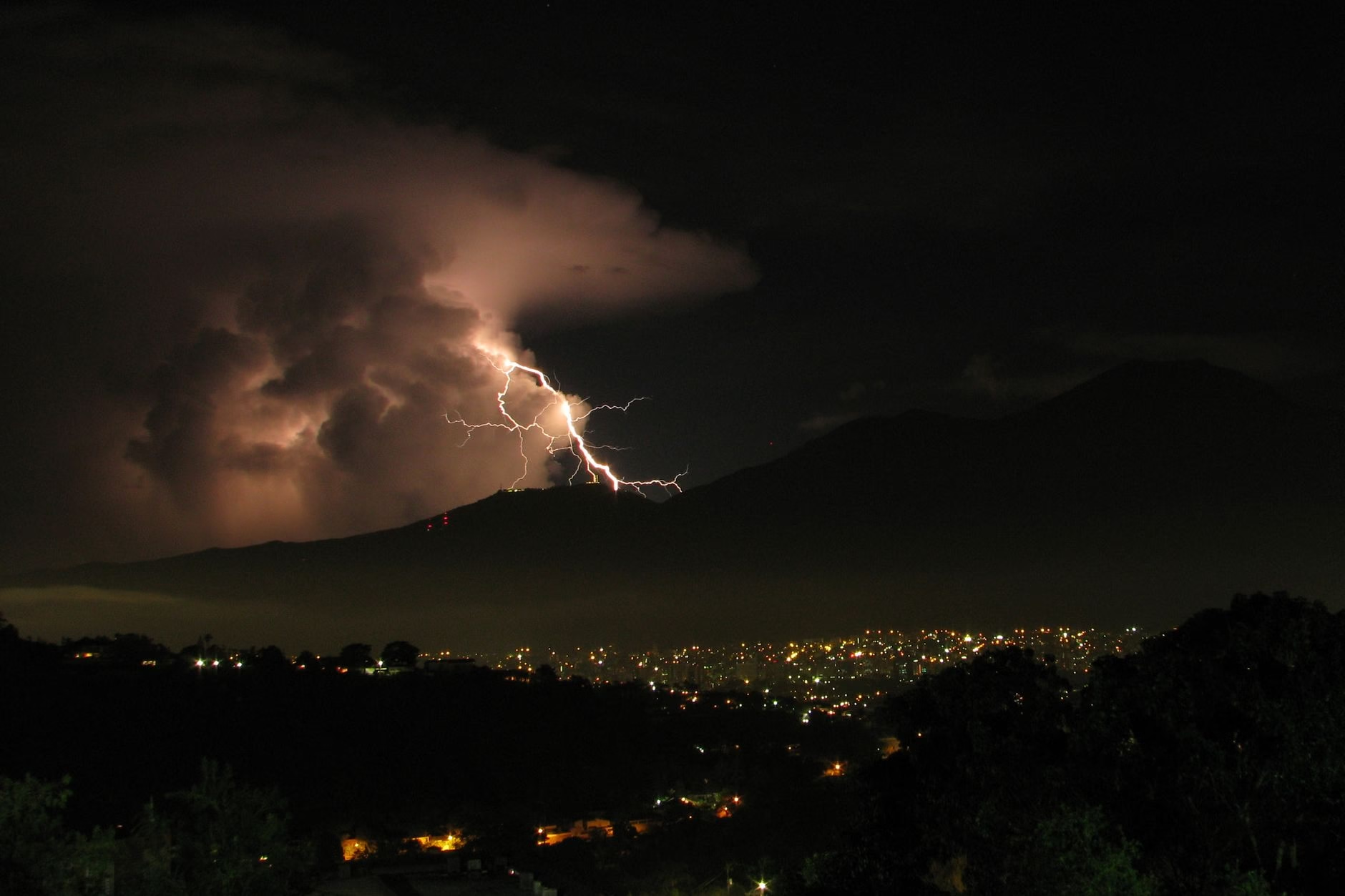
Mount Etna, one of the world’s most active volcanoes and a significant geological landmark in Italy, was the site of a tragic incident recently. An American tourist, while engaged in a hike on the volcano’s slopes, reportedly succumbed to a lightning strike. This unfortunate event serves as a stark reminder of the inherent dangers associated with exploring dynamic natural environments, even for experienced outdoor enthusiasts.
The incident, which occurred on the active volcano located on Sicily’s eastern coast, highlights the unpredictable nature of mountainous terrain and the critical importance of comprehensive safety protocols when venturing into such areas. While Mount Etna is a popular destination for hikers and sightseers, its allure is accompanied by a range of potential hazards that demand respect and careful preparation from all visitors.
Mount Etna: Europe’s Active Giant
Mount Etna stands as Europe’s highest and most active stratovolcano, a majestic yet formidable presence dominating the Sicilian landscape. Its consistent activity, characterized by frequent eruptions ranging from effusive lava flows to more explosive events, makes it a subject of intense scientific study and a captivating natural spectacle. Despite its dynamic nature, Etna attracts thousands of visitors annually, drawn by its unique landscapes, geological significance, and the challenge of ascending its slopes.
The volcano’s diverse ecosystems, from fertile lower plains to barren, lunar-like summit craters, offer a remarkable experience for hikers and adventurers. However, this allure is intrinsically linked to inherent risks, as the very forces that shape its grandeur also present potential hazards to those who venture onto its terrain. The constant geological shifts, coupled with rapidly changing weather patterns typical of high-altitude environments, necessitate a vigilant approach to safety.
Understanding Lightning Hazards in Mountainous Terrain
Lightning poses a significant and often underestimated threat in mountainous regions. Mountains, by their very elevation, act as natural lightning rods, making hikers on exposed ridges, peaks, or open areas particularly vulnerable. The air currents around mountains can also contribute to the rapid formation of thunderclouds, leading to sudden and intense electrical storms.
When a thunderstorm develops, the safest course of action is to descend to lower elevations immediately. Seeking shelter under isolated trees or in shallow caves is generally not advisable, as these can increase the risk of a direct strike or ground current. Hikers should avoid open fields, water bodies, and metal objects, which can conduct electricity. The best protection involves finding a substantial building or a fully enclosed metal vehicle. In the absence of such shelter, assuming a crouched position with feet together can minimize contact with the ground and reduce the risk of injury from ground current.
The Unique Risks of Volcano Hiking
Beyond the general dangers of mountain environments, hiking an active volcano like Mount Etna presents a unique set of challenges. Volcanic activity, while often monitored, can be unpredictable. Gas emissions, including sulfur dioxide and carbon dioxide, can be harmful or even lethal in concentrated areas, especially in depressions or craters where they can accumulate. These gases are often odorless and invisible, making their presence difficult to detect without specialized equipment.
Furthermore, the terrain on active volcanoes is frequently unstable. Loose rocks, ash, and volcanic debris can lead to rockfalls or treacherous footing. Sudden minor eruptions, even if not life-threatening in themselves, can eject hot ash, cinders, or volcanic bombs, posing a direct physical threat. The ground temperature can also be significantly higher in certain areas, and fumaroles emit superheated steam, which can cause severe burns. Navigating such an environment requires not only physical fitness but also a deep understanding of volcanic processes and the ability to react swiftly to changing conditions.
Essential Safety Measures for Outdoor Enthusiasts
To mitigate the risks associated with hiking active volcanoes or any challenging outdoor environment, several safety measures are paramount. Firstly, always check the weather forecast meticulously before embarking on a hike, paying close attention to predictions for thunderstorms, high winds, and sudden temperature drops. Weather conditions in mountainous areas can change dramatically and rapidly, often differing significantly from forecasts for lower elevations.
Secondly, proper gear is indispensable. This includes sturdy hiking boots, appropriate layering for varying temperatures, rain gear, a headlamp, sufficient water and food, and a fully charged communication device. Carrying a map and compass, or a GPS device, is also crucial for navigation. Informing someone of your planned route and expected return time is a simple yet effective safety precaution.
Navigating Etna’s Dynamic Environment
Specifically for Mount Etna, it is highly recommended to engage the services of a certified mountain guide, especially when planning to ascend to higher elevations or explore restricted areas. Local guides possess invaluable knowledge of the volcano’s current conditions, safe routes, and potential hazards. They are also equipped to handle emergencies and can provide crucial insights into the volcano’s behavior.
Visitors should always adhere to designated trails and respect any access restrictions imposed by local authorities. These restrictions are put in place for public safety, often in response to increased volcanic activity or hazardous conditions. Attempting to bypass these regulations can lead to dangerous situations and may also result in legal penalties. Understanding and respecting the volcano’s dynamic nature is key to a safe and enjoyable experience.
Prioritizing Preparedness and Awareness
The tragic incident on Mount Etna serves as a somber reminder that even popular and seemingly accessible natural wonders demand utmost respect and preparedness. While the allure of exploring an active volcano is undeniable, prioritizing safety through thorough planning, appropriate gear, awareness of environmental conditions, and adherence to expert guidance is non-negotiable. The beauty and power of nature are immense, and appreciating them safely requires a proactive and informed approach from every adventurer.




















Leave a Reply