


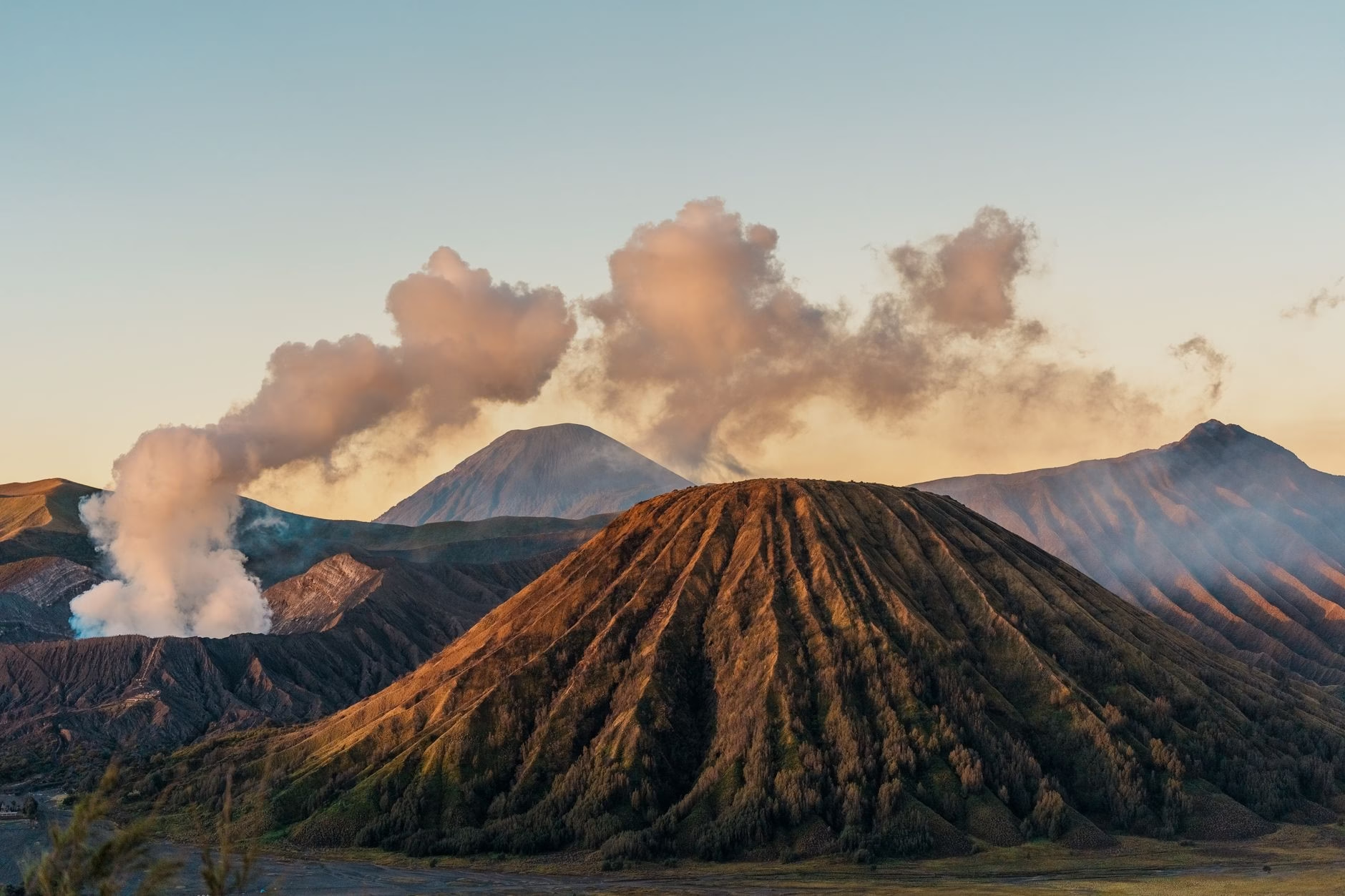
A recent wildfire incident on Indonesia’s Java island necessitated the temporary closure of Mount Bromo, a prominent volcanic peak and a major tourist attraction. This measure was implemented to ensure public safety and facilitate firefighting efforts, underscoring the delicate balance between natural beauty, human activity, and environmental preservation. The closure of such an iconic destination, even for a limited period, brings into sharp focus the multifaceted challenges posed by natural disasters, particularly in ecologically sensitive and economically vital regions.
The Significance of Mount Bromo
Mount Bromo, part of the Bromo Tengger Semeru National Park, stands as one of Indonesia’s most breathtaking natural wonders. Its ethereal landscape, characterized by a vast caldera and a perpetually smoking crater, draws hundreds of thousands of domestic and international tourists annually. The mountain holds profound cultural significance for the indigenous Tenggerese people, who perform annual ceremonies at its summit. Beyond its geological marvels, the park is a biodiversity hotspot, home to various flora and fauna adapted to its unique volcanic ecosystem. The temporary cessation of tourist activities due to a wildfire therefore impacts not only visitor experiences but also the ecological integrity and cultural practices associated with this revered site.
Understanding Wildfire Risks in Volcanic Regions
Volcanic landscapes, while often appearing barren, possess specific characteristics that can make them vulnerable to wildfires. Dry vegetation, often sparse but combustible, can ignite rapidly, especially during prolonged dry seasons. The rugged terrain and strong winds prevalent in mountainous areas can accelerate the spread of flames, making containment challenging. Human activities, ranging from accidental sparks to deliberate land clearing, frequently serve as ignition sources. The combination of these factors creates a precarious environment where a single spark can escalate into a significant blaze, threatening both natural habitats and human infrastructure.
Ecological Repercussions of Wildfires
The ecological impact of wildfires in areas like Mount Bromo is profound and far-reaching. Flames can decimate unique plant species, many of which are endemic to volcanic soils and may struggle to recover. Wildlife habitats are destroyed, displacing animals and potentially leading to population declines. The intense heat alters soil composition, reducing fertility and increasing susceptibility to erosion, particularly on steep slopes. Smoke and ash released into the atmosphere degrade air quality, affecting not only local ecosystems but also human health in surrounding communities. The long-term recovery of these ecosystems can take decades, requiring extensive conservation efforts and natural regeneration processes.
Economic Impact on Local Tourism
The closure of a major tourist destination like Mount Bromo, even if temporary, carries significant economic repercussions for the local community and the broader tourism sector. Tour operators, guides, accommodation providers, and small businesses that rely on visitor traffic experience immediate losses in revenue. Many livelihoods in the region are directly tied to tourism, meaning a prolonged closure can lead to financial hardship for numerous families. The ripple effect extends to transportation services, food suppliers, and handicraft vendors. While safety is paramount, the economic disruption highlights the vulnerability of tourism-dependent economies to environmental crises and the urgent need for robust disaster preparedness and recovery strategies.
Mitigation and Prevention Strategies
Effective wildfire management in sensitive areas like Bromo Tengger Semeru National Park requires a multi-pronged approach. Prevention is key, involving public awareness campaigns to educate visitors and local communities about fire risks and responsible behavior. Strict regulations regarding open fires, waste disposal, and smoking are essential. Early detection systems, such as observation posts and drone surveillance, can significantly reduce response times. When fires do occur, a well-coordinated response involving trained personnel, specialized equipment, and community volunteers is crucial for containment. Investing in firebreaks and controlled burns, where appropriate, can also help manage vegetation and reduce fuel loads.
Broader Environmental Challenges in Indonesia
The wildfire incident at Mount Bromo is not an isolated event but rather a symptom of broader environmental challenges facing Indonesia. The archipelago experiences a distinct dry season, which, when exacerbated by climate change, can lead to more frequent and intense droughts. This increases the risk of wildfires across various landscapes, from forests to peatlands. Human activities, including agricultural expansion and infrastructure development, often encroach upon natural habitats, making them more susceptible to degradation and fire. Addressing these systemic issues requires comprehensive environmental policies, sustainable land management practices, and concerted efforts to combat climate change at both local and global levels.
Rebuilding and Future Resilience
Following a wildfire, the focus shifts to recovery and building future resilience. This involves ecological restoration efforts, such as replanting native species and implementing anti-erosion measures. For the tourism sector, it means communicating clearly with potential visitors about reopening timelines and ensuring that safety protocols are robustly in place. Furthermore, there is an opportunity to re-evaluate and strengthen existing emergency response plans, incorporating lessons learned from each incident. Investing in sustainable tourism practices that minimize environmental impact and empower local communities can also contribute to long-term resilience, ensuring that Mount Bromo continues to thrive as both a natural wonder and a cultural heritage site for generations to come.
Conclusion
The temporary closure of Mount Bromo due to a wildfire serves as a poignant reminder of the fragility of natural ecosystems and the interconnectedness of environmental health with human well-being and economic stability. While the immediate priority is always safety and containment, such events necessitate a broader reflection on prevention, preparedness, and sustainable management. By fostering a deeper understanding of wildfire risks, investing in robust mitigation strategies, and promoting responsible tourism, stakeholders can work collaboratively to protect Indonesia’s invaluable natural heritage and ensure the enduring allure of destinations like Mount Bromo.

















Leave a Reply