


Economic Policy Debates In Germany
Recent discussions surrounding economic management in Germany have brought energy pricing and taxation back into the spotlight. Political leaders are currently navigating complex challenges regarding how to handle high costs for everyday citizens while maintaining a stable environment for industrial growth and investment. The debate often exposes deep divisions over the appropriate tools the government should deploy during periods of elevated consumer expenses.
The Position On Windfall Profits
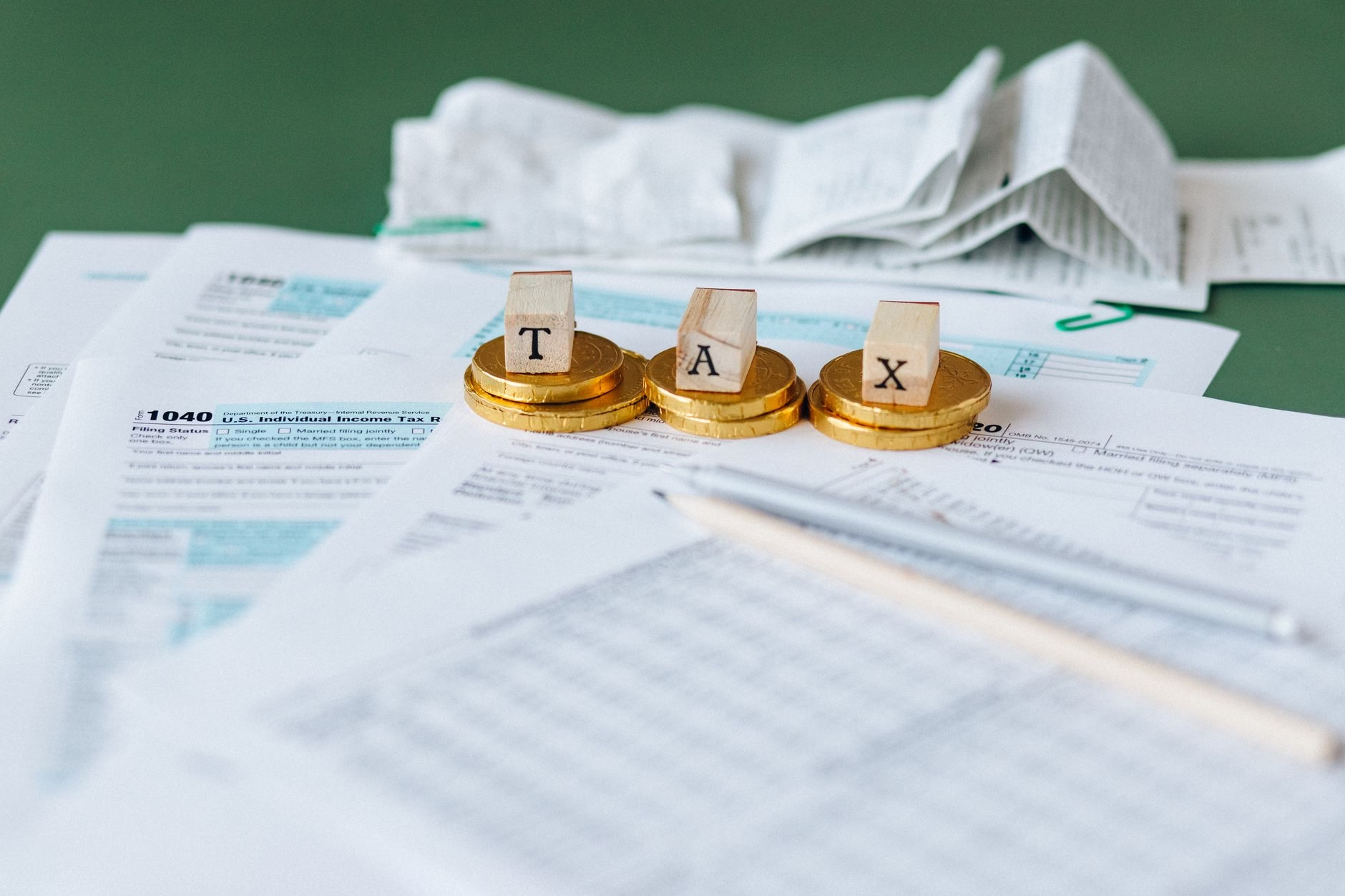
Friedrich Merz has firmly rejected the implementation of a windfall profits tax targeting energy companies. Despite mounting public pressure and increasing frustration among motorists dealing with high fuel prices at the pump, the leadership stance remains clear against punitive fiscal measures on corporations. Proponents of rejecting such taxes argue that extraordinary levies can harm long-term market confidence and discourage necessary infrastructure investments.
Challenges Facing Motorists
Drivers across the country continue to experience financial strain due to elevated fuel expenses. These high prices at service stations contribute significantly to the broader cost-of-living concerns affecting households nationwide. While citizens look to policymakers for immediate relief, the rejection of targeted sector taxes means alternative solutions must be considered to alleviate the burden on consumers.
Broader Economic Implications
Decisions regarding corporate taxation and energy policy carry significant weight for the national economy. Observers note that policymakers must balance consumer protection with the need to foster a competitive business landscape. As the dialogue continues, finding a sustainable path forward remains a central priority for lawmakers addressing the intersection of energy markets and household finances.



















Leave a Reply