


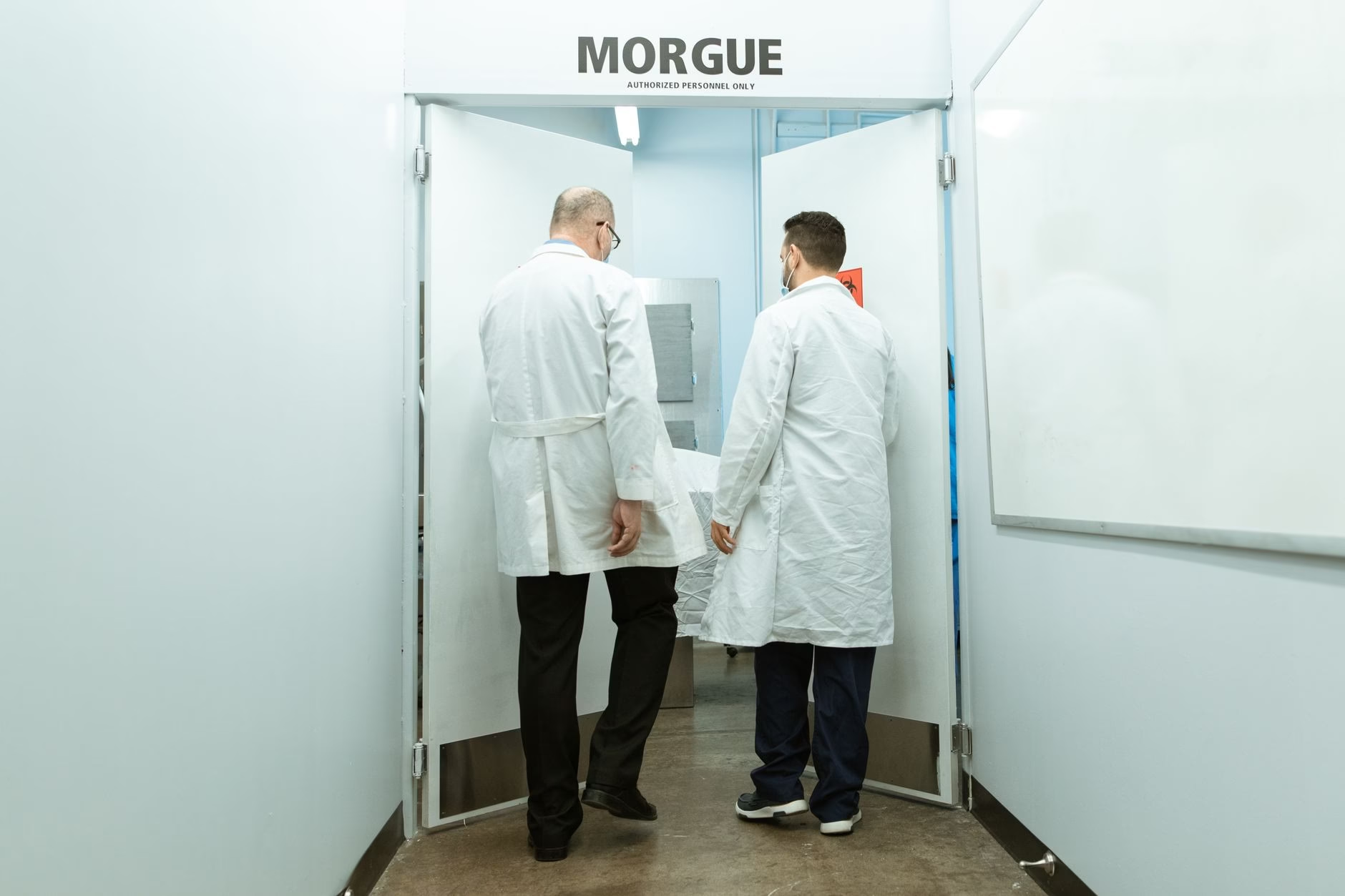
International health authorities maintain that public health risks remain minimal following the unfortunate death of a laboratory employee at a specialized plague research facility. However, prominent political figures are pressing for greater transparency from Moscow regarding the incident.
Senator Marco Rubio has publicly demanded that the Russian government share comprehensive information with the global community concerning the circumstances surrounding the worker’s death. The call for openness highlights ongoing international sensitivities regarding high-containment biological research facilities and the protocols surrounding them.
The Context of the Incident
Specialized laboratories dedicated to studying dangerous pathogens operate under strict security and containment protocols. When an unexpected fatality occurs within such an environment, the international scientific community naturally looks for clear, verifiable data to ensure that no containment breach took place.
The worker was employed at a facility focused on researching plague strains. These centers handle some of the most dangerous biological agents known to humanity, requiring rigorous safety measures to protect both laboratory personnel and the surrounding population.
Global Health Assessments
In the immediate wake of the event, the World Health Organization evaluated the situation and concluded that the threat to the general public is exceptionally low. International health experts generally monitor such situations closely, relying on official reporting and established communication channels to assess potential cross-border risks.
Despite these reassuring assessments from international health bodies, external political oversight often demands higher levels of disclosure. Lawmakers argue that complete transparency is essential for maintaining global trust in bio-security standards, particularly when dealing with lethal pathogens.
Demands for Transparency
Senator Rubio emphasized that Moscow has a responsibility to be fully open about the incident. Sharing detailed findings helps prevent unnecessary panic and allows the international scientific community to learn from any potential safety failures.
Diplomatic channels often serve as the primary conduit for addressing these concerns, but public statements by influential lawmakers frequently drive the urgency of such inquiries. The central issue remains balancing national security protocols with international scientific collaboration and safety.
Looking Forward
As the situation develops, international observers will continue to watch for any additional disclosures from Russian authorities. Ensuring accountability in high-containment laboratories is a priority for global health security.
While current evidence suggests the public is not in danger, the demand for clear and open communication underscores the delicate nature of pathogen research worldwide. Transparency remains a cornerstone of international cooperation in preventing biological risks.





















Leave a Reply