



Lithuanian authorities have issued a stark warning regarding the security landscape in Europe, stating that it is highly probable Moscow will intensify hostile operations directed at European Union member states. As geopolitical tensions remain elevated across the continent, regional defense officials are calling for a coordinated and robust response to deter potential aggression and protect critical infrastructure. The assessment highlights growing concerns among Baltic nations regarding ongoing hybrid threats and potential military provocations.
Assessing the Threat Landscape
The assessment delivered by Lithuanian leadership underscores a persistent and evolving security challenge facing the West. Intelligence evaluations suggest that hostile actors continue to test the boundaries of European defenses through cyber operations, disinformation campaigns, and sabotage attempts. Officials emphasize that these activities are not isolated incidents but rather part of a broader strategy aimed at destabilizing democratic institutions and eroding public confidence across the continent.
European nations have increasingly recognized the necessity of reinforcing their eastern borders and upgrading cybersecurity protocols to counter these multifaceted threats. Intelligence sharing among allies has become paramount in identifying hostile plots before they can materialize into physical attacks or severe digital disruptions.
Call for Enhanced Defense Readiness
In response to the mounting risks, security experts and government representatives are urging immediate investments in defense capabilities. Strengthening military deterrence requires not only modernizing equipment but also ensuring seamless cooperation among member states within regional defense frameworks. Policymakers argue that complacency could invite further aggression, making proactive defense measures essential for long-term stability.
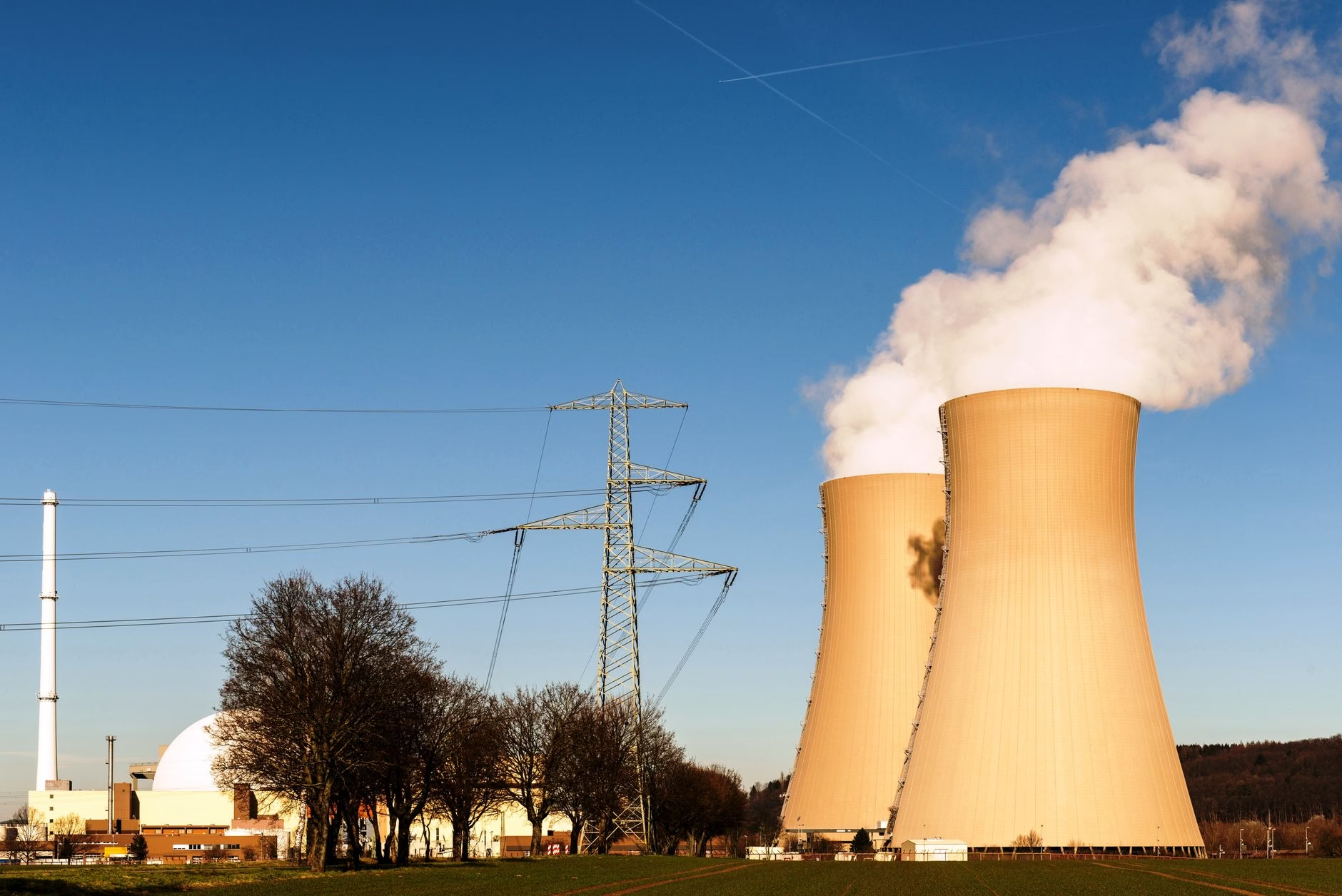
Furthermore, critical infrastructure protection has emerged as a top priority for governments across the region. Energy grids, telecommunications networks, and transport hubs are increasingly viewed as primary targets for hostile interference. Securing these vital assets demands rigorous oversight, advanced monitoring systems, and strategic redundancy to prevent widespread disruptions.
Implications for European Union Policy
The rising threat level is prompting discussions within the European Union regarding the future of collective security and foreign policy. Member states are evaluating ways to enhance strategic autonomy while reinforcing partnerships with global allies to maintain a united front against external pressures. Financial commitments to defense and security initiatives are expected to rise as capitals align their national strategies with the realities of the current geopolitical environment.
Ultimately, the warning from the Baltic region serves as a reminder of the security challenges confronting Europe. By acknowledging the high probability of escalated actions and preparing accordingly, European nations aim to fortify their defenses and safeguard regional peace in the face of ongoing uncertainty.


















Leave a Reply