


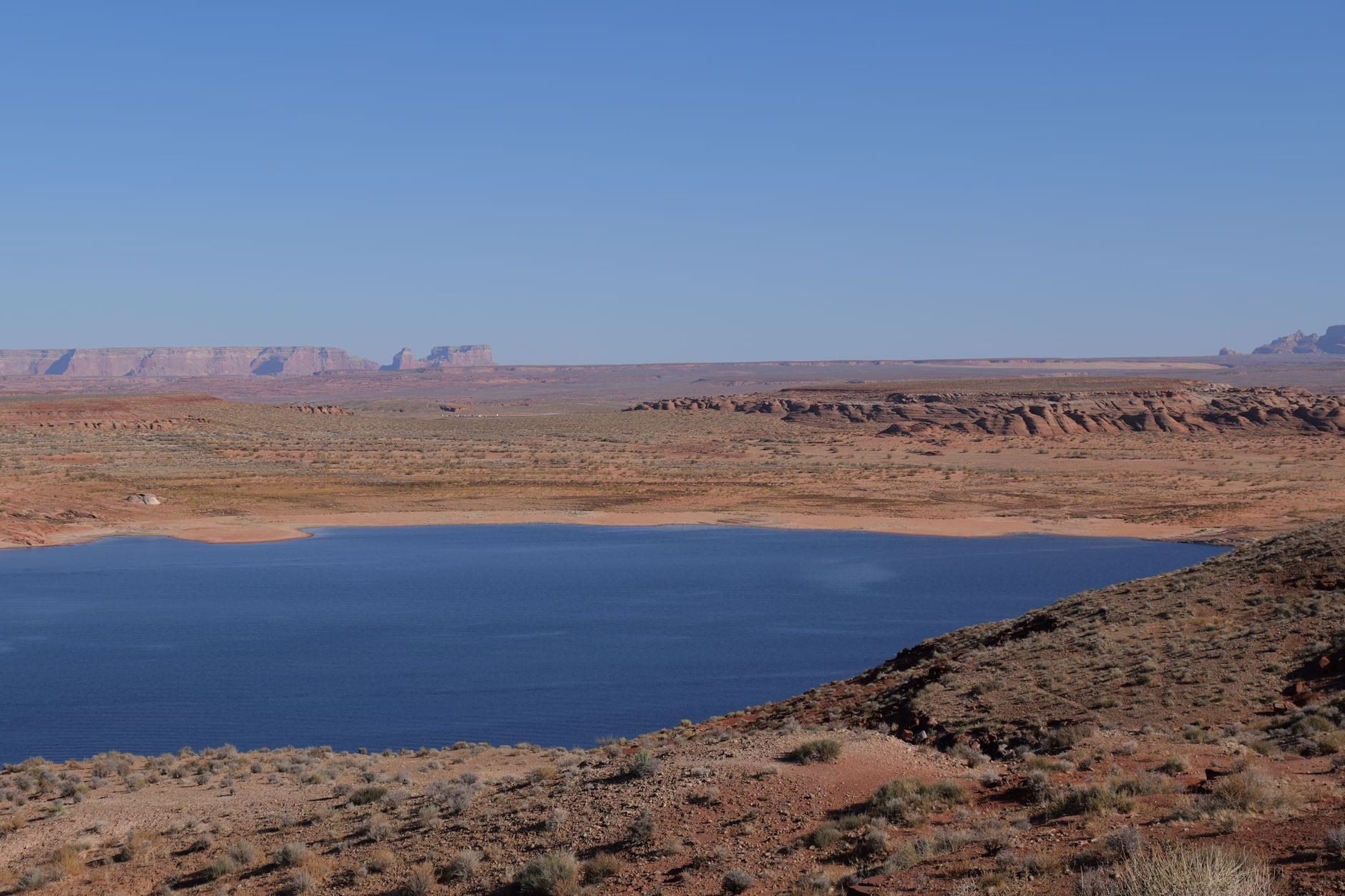
Lake Powell, a pivotal reservoir in the American West, has recently registered an unprecedented low in its water levels. This significant decline serves as a stark indicator of an escalating crisis along the Colorado River, a lifeline for a vast segment of the population. The implications of this record low extend far beyond environmental concerns, directly threatening the fundamental water and electricity supplies upon which millions depend. The current situation underscores a critical juncture in regional resource management and highlights the urgent need for comprehensive strategies to address the profound challenges ahead.
The Colorado River Basin’s Vital Role
The Colorado River system is an indispensable resource, supporting diverse ecosystems and human populations across multiple states. Its waters are crucial for agriculture, sustaining vast tracts of farmland that contribute significantly to the nation’s food supply. Beyond irrigation, the river provides municipal water to major metropolitan areas, ensuring the daily needs of millions are met. Industrial operations also rely heavily on this water source, making its consistent flow essential for economic stability and growth throughout the region. The health of the Colorado River directly correlates with the well-being and prosperity of the communities it serves.
Lake Powell: A Cornerstone of Regional Infrastructure
As one of the largest man-made reservoirs in North America, Lake Powell plays an instrumental role within the Colorado River system. It was designed to store vast quantities of water, acting as a critical buffer against periods of drought and ensuring a reliable supply for downstream users. Beyond water storage, the Glen Canyon Dam, which forms Lake Powell, is a major producer of hydroelectric power. This clean energy source contributes substantially to the electricity grid, powering homes, businesses, and essential services for millions of people. The reservoir’s capacity to regulate water flow and generate power makes it a cornerstone of the region’s infrastructure and resource management strategy.
The Unprecedented Decline in Water Levels
The recent measurement of Lake Powell’s water level reaching a historic low represents a critical milestone in the ongoing challenges facing the Colorado River Basin. This record-setting decline signifies a prolonged period of imbalance between water inflow and outflow, exacerbated by various environmental factors. Such an unprecedented state raises serious concerns about the long-term viability of the reservoir’s functions. The visual evidence of receding shorelines and exposed land serves as a powerful reminder of the severity of the situation, prompting urgent attention from policymakers and stakeholders alike.
Threats to Water Supply for Millions
The diminishing water levels in Lake Powell pose an immediate and severe threat to the water supply for millions of individuals. Communities reliant on the Colorado River for drinking water face potential restrictions and increased costs as supplies dwindle. Agricultural sectors, which are major consumers of the river’s water, could experience significant reductions in allocations, leading to crop failures, economic hardship for farmers, and potential impacts on food production. The stability of the regional water system is now under considerable strain, necessitating careful management and potentially difficult decisions regarding water distribution and usage priorities.
Impact on Electricity Generation
Beyond water supply, the record low at Lake Powell directly jeopardizes the region’s electricity generation capabilities. Hydroelectric power plants, such as the one at Glen Canyon Dam, depend on sufficient water levels to operate their turbines effectively. As the water surface drops, the efficiency and capacity of these power generators decrease, potentially leading to reduced output or even the cessation of operations. This reduction in hydroelectric power could strain the broader electricity grid, potentially leading to increased reliance on other, often more expensive or less sustainable, energy sources. The reliability of power for millions of residents and businesses is therefore at risk, highlighting the interconnectedness of water and energy resources.
Understanding the Broader Crisis
The situation at Lake Powell is not an isolated incident but rather a prominent symptom of a broader, long-term crisis affecting the entire Colorado River Basin. This crisis is influenced by a complex interplay of factors, including persistent drought conditions that have gripped the Western United States for an extended period. Changing climatic patterns are contributing to reduced snowpack, which is a primary source of the river’s water, and increased evaporation rates from reservoirs. Furthermore, historical water allocation agreements, established during periods of higher flow, are now being re-evaluated in light of current realities. Addressing this multifaceted crisis requires a holistic understanding of its root causes and a collaborative approach to finding sustainable solutions.
Navigating Future Challenges
The path forward for the Colorado River Basin and its dependent communities involves navigating significant challenges. Stakeholders, including federal agencies, state governments, tribal nations, and local communities, must engage in collaborative efforts to develop adaptive strategies. These strategies may include implementing more efficient water conservation measures across all sectors, exploring innovative water management technologies, and re-evaluating existing water rights and allocation frameworks. The goal is to ensure the long-term resilience of the water system and to mitigate the severe impacts of continued water scarcity. Proactive planning and a commitment to sustainable practices are paramount to safeguarding the future of this vital resource.
Conclusion
The unprecedented low water levels at Lake Powell serve as a critical alarm, signaling a deepening crisis along the Colorado River. This situation presents a formidable challenge to the sustained provision of water and electricity for millions of people across the American West. The interconnectedness of environmental health, resource management, and societal well-being has never been more evident. Addressing this complex issue demands immediate attention, innovative solutions, and a unified commitment from all parties involved to protect and preserve this essential lifeline for generations to come. The future stability of the region hinges on effective responses to this evolving environmental and infrastructural threat.






















Leave a Reply